
Table of Contents
- What Chemical-Free Skincare Actually Means
- Organic Beauty Products for Sensitive Skin
- How to Build a Non-Toxic Skincare Routine
- How to Read Skincare Labels for Toxins
Last Updated: August 29, 2026
What Chemical-Free Skincare Actually Means
Chemical-free skincare refers to products formulated without synthetic preservatives, artificial fragrances, parabens, sulfates, and phthalates. Everything is technically a chemical, water, salt, and plant oils included. What matters is distinguishing between synthetic chemicals designed in laboratories and naturally derived botanical ingredients.
Many discover chemical-free skincare after experiencing irritation with conventional products. The skin barrier can become compromised when exposed to harsh synthetic ingredients repeatedly. Switching to a chemical-free routine often gives your skin a chance to heal and rebalance naturally.
Organic Beauty Products for Sensitive Skin
Sensitive skin requires a thoughtful approach. Organic beauty products designed for this purpose tend to be gentler on reactive skin types, particularly for those experiencing inflammation, redness, or persistent irritation.
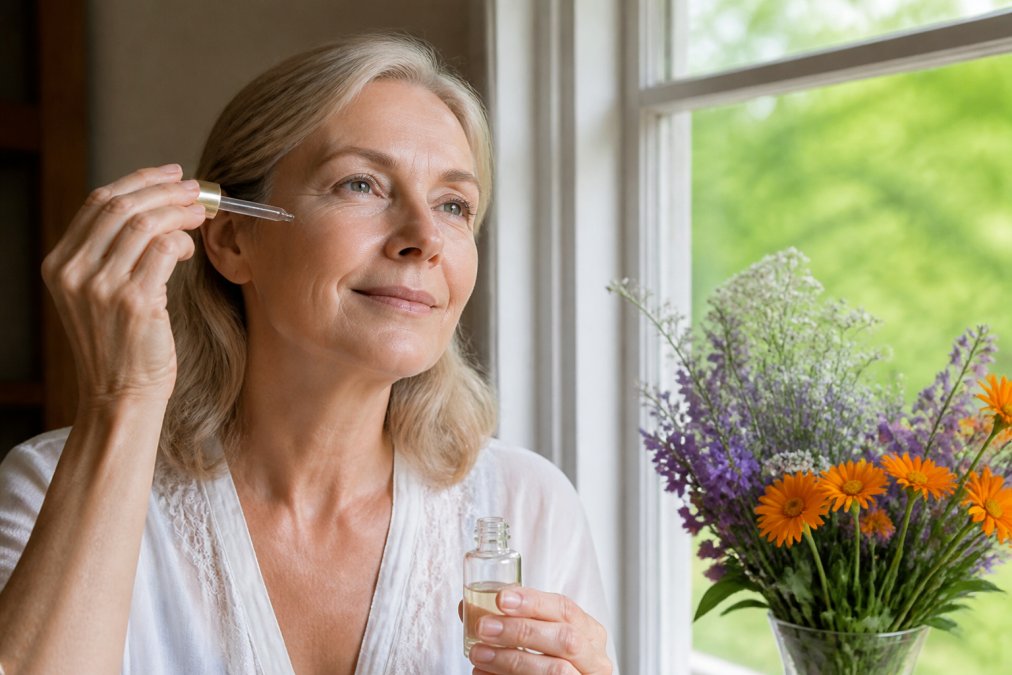
When selecting organic beauty products for sensitive skin, look for formulations emphasizing botanical extracts, antioxidants, and plant-based moisturizers. Ingredients like lavender, chamomile, yarrow, and clary sage have been used for centuries to calm reactive skin. The Flower Face line from Charmed Valley Farm combines these botanical extracts in small-batch formulations specifically designed to address sensitivity. Without parabens, sulfates, artificial fragrances, and synthetic preservatives, your skin microbiome has a better chance of rebalancing.

How to Build a Non-Toxic Skincare Routine
Building a non-toxic skincare routine doesn't require replacing everything at once. Start with a simple foundation and add products gradually.
Step 1: Cleanse with intention. Choose a gentle cleanser without sulfates to remove dirt and makeup without disrupting your skin barrier.
Step 2: Balance with a toner. A botanical toner prepares your skin for serums and moisturizers. The Flower Water Face Toner uses distilled hydrosol with traces of essential oils to clarify and balance skin pH naturally.
Step 3: Treat with a serum. A concentrated serum delivers active ingredients where needed. The Flower Oil Face Serum provides hydration and supports collagen production with botanical oils.

Step 4: Moisturize consistently. Lock in hydration with a non-toxic moisturizer suited to your skin type. The Flower Face Duo combines the toner and serum for a simplified two-step approach.
How to Read Skincare Labels for Toxins
Understanding how to read skincare labels is your best defense against greenwashing and hidden irritants.
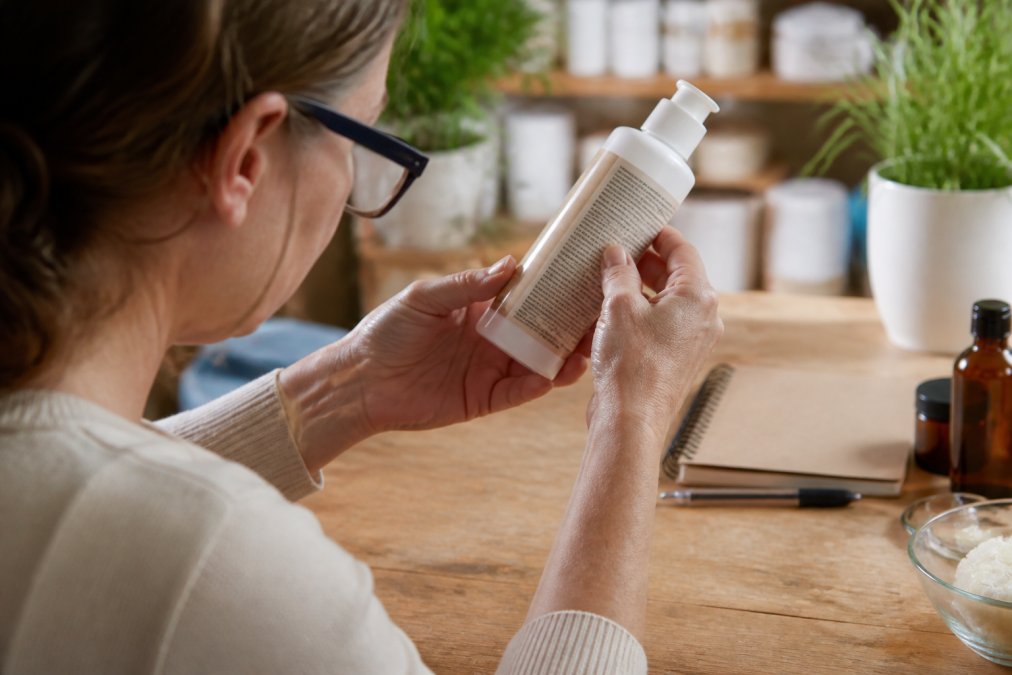
Ingredient order matters. Ingredients are listed by concentration in descending order (the FDA). If synthetic preservatives appear in the first five ingredients, the product relies heavily on chemical preservation.
Watch for hidden names. Parabens hide under names like methylparaben or propylparaben. Sulfates appear as sodium lauryl sulfate or sodium laureth sulfate. Phthalates often hide under "fragrance."
Look for transparency. Brands committed to chemical-free formulations typically list every ingredient clearly and explain its purpose. Charmed Valley Farm lists every ingredient in its Flower Face products, including specific botanical extracts and essential oils.
According to FDA guidance on cosmetic labeling, all ingredients must be listed, though fragrance components can be grouped under "fragrance." Research from Environmental Working Group's cosmetics safety database shows the average person is exposed to over 100 chemicals daily through skincare products. Understanding labels helps you make informed choices aligned with your wellness goals.
The shift toward chemical-free skincare reflects recognition that what you put on your skin matters. Your skin absorbs compounds through dermal absorption, meaning ingredients interact with your skin barrier and microbiome. Choosing products with transparent, natural ingredients is an investment in long-term skin health. Start your non-toxic routine today with Charmed Valley Farm's Flower Face Duo and experience the difference that intentional, chemical-free formulations can make.
Frequently Asked Questions
What are the primary benefits of switching to a chemical-free skincare routine?
Chemical-free skincare reduces exposure to synthetic preservatives, parabens, sulfates, and phthalates that can irritate sensitive skin and disrupt your skin barrier. Many people experience reduced inflammation, fewer breakouts, and improved hydration. For mature skin, botanical ingredients rich in antioxidants support natural healing processes and may help reduce the appearance of fine lines.
How do I know if a product is truly chemical-free or just greenwashing?
Check ingredient lists for parabens, sulfates, phthalates, synthetic preservatives, and artificial fragrances. Look for third-party certifications or transparency about sourcing. Brands committed to non-toxic formulations typically disclose their full ingredient sourcing and explain why they chose each component. Be cautious of vague claims like 'all-natural', read labels carefully. Charmed Valley Farm's Flower Face line uses small-batch distilled botanicals with transparent ingredient lists, making it easy to verify what you're applying to your skin.
Can chemical-free skincare products actually work for sensitive, mature skin?
Yes, when formulated correctly. Botanical extracts, essential oils, and plant-based serums are often gentler on reactive skin than synthetic additives. However, natural doesn't automatically mean hypoallergenic, some people react to specific plant extracts. Patch testing is essential: apply a small amount to your inner arm first to check for allergic reactions. Products like the Flower Oil Face Serum are designed for mature skin and work to smooth fine lines, boost collagen, and reduce inflammation without harsh chemicals.
This article was written using GrandRanker