
Table of Contents
- Common Skincare Toxins to Avoid Daily
- Parabens and Synthetic Preservatives
- Sulfates, SLS, and Sodium Lauryl Sulfate
- Mineral Oil, Petrolatum, and Petroleum Derivatives
- Phthalates, Fragrance, and Synthetic Scents
- Other Ingredients Worth Knowing About
- How to Read Skincare Ingredient Labels
- Ingredients to Avoid for Sensitive Skin
- Key Takeaways
- Frequently Asked Questions
Last Updated: October 16, 2026
Common Skincare Toxins to Avoid Daily
Understanding what goes on your skin matters, especially as we age, which is why knowing about skincare toxins to avoid is essential. At Charmed Valley Farm, we believe that informed choices about skincare ingredients lead to healthier skin and greater peace of mind.

The conversation around skincare ingredients often swings between two extremes: either everything is toxic, or nothing matters. The reality is more nuanced. Some ingredients carry genuine concerns backed by research and exposure data.
Our goal here is to help you make choices aligned with your values and skin needs, without unnecessary fear or confusion.
Why Understanding Harmful Ingredients Matters
Knowing what's in your skincare products gives you control over what touches your skin every single day. For women in their 40s, 50s, and beyond, this becomes especially important.
Many people find that switching to cleaner formulations reduces irritation, redness, and sensitivity. Others notice improvements in skin texture and tone.
The Difference Between Risk and Presence
Here's what most guides miss: an ingredient being present in a product doesn't automatically make it harmful. Concentration, frequency of use, and how your skin absorbs it all matter.
This distinction helps you prioritize. Some ingredients warrant avoidance for most people. Others are worth avoiding only if you have sensitive skin, are pregnant, or have specific skin conditions.
Parabens and Synthetic Preservatives
Parabens are among the most debated ingredients in skincare. These synthetic preservatives prevent mold, bacteria, and fungal growth in products.
The main concern centers on whether parabens can mimic estrogen in the body. Research on this remains mixed. Some studies suggest minimal absorption through skin at typical product concentrations (pubmed.ncbi.nlm.nih.gov). Others raise questions about cumulative exposure over time.
Where Parabens Hide on Product Labels
Parabens appear under several names on ingredient lists. Look for:
- Methylparaben
- Propylparaben
- Butylparaben
- Ethylparaben
- Isopropylparaben
They typically appear near the end of the ingredient list, since preservatives are used in small amounts. Many mainstream skincare lines still use parabens because they're inexpensive and effective. Premium and natural brands often skip them entirely.
If you're looking for paraben-free options, check labels carefully. Many brands now advertise this prominently on packaging, making your search easier.
Why Some People Avoid Them
Beyond the estrogen-mimicking concern, many people simply prefer to avoid synthetic preservatives when natural alternatives work.
Women over 40 often find that paraben-free formulations feel lighter on mature skin and cause less irritation. This may be because paraben-free products often use gentler overall formulations, not just the preservative swap.
Sulfates, SLS, and Sodium Lauryl Sulfate
Sulfates are cleansing agents that create lather and remove oils from skin. Sodium lauryl sulfate (SLS) and sodium laureth sulfate (SLES) are the most common in skincare and personal care products.
The concern: sulfates can strip natural oils from skin, leaving it dry and irritated. For people with sensitive, mature, or reactive skin, this stripping effect causes visible problems.
What Sulfates Do and Where They Appear
Sulfates break down oils and allow water and oil to mix, which is why they're so effective at cleaning. You'll find them in:
- Facial cleansers and face washes
- Foaming toners
- Body washes
- Shampoos and conditioners
- Some exfoliating scrubs
On labels, look for "sodium lauryl sulfate," "sodium laureth sulfate," "ammonium lauryl sulfate," or the abbreviations SLS and SLES.
Exposure and Daily Use Considerations
If you're using a sulfate-containing cleanser twice daily, you're exposing your skin to these stripping agents constantly. Over time, this disrupts your skin's natural oil barrier, leading to compensatory overproduction of sebum or chronic dryness.
The daily exposure argument is strong here: even if sulfates aren't inherently toxic, their cumulative effect on skin health, especially for women over 40, makes them worth avoiding.
Mineral Oil, Petrolatum, and Petroleum Derivatives
Mineral oil and petrolatum (petroleum jelly) are common moisturizing ingredients derived from crude oil refining. They're inexpensive, stable, and effective at creating a moisture barrier on skin. Many people use them without issue.
The concern isn't toxicity, it's that these occlusive ingredients can sit on skin without being absorbed, potentially clogging pores or preventing skin from "breathing." For mature skin prone to congestion or breakouts, this matters.
Common Names and Product Types
Mineral oil appears under various names:
- Mineral oil
- Paraffin oil
- Liquid paraffin
- Petrolatum
- Petroleum jelly
- Paraffin wax
You'll find these in:
- Heavy moisturizers and creams
- Lip balms
- Some serums and oils
- Body lotions
- Makeup removers
For mature skin seeking hydration without heaviness, plant-based oils like sunflower, rosehip, or jojoba offer similar moisture benefits with better absorption. These alternatives align with the farm-to-face philosophy many people now prefer.
Phthalates, Fragrance, and Synthetic Scents
Phthalates are chemicals used to make fragrances last longer on skin. They're rarely listed individually on ingredient labels, instead, they hide under the umbrella term "fragrance" or "parfum." This lack of transparency is itself a reason many people avoid fragranced products.
Phthalates raise concerns about potential endocrine disruption and reproductive effects (pubmed.ncbi.nlm.nih.gov). While exposure through skincare is generally low, the cumulative effect of using fragranced products daily across multiple categories (cleanser, toner, moisturizer, perfume) adds up.
Hidden Sources of Fragrance Ingredients
The word "fragrance" on a label can hide dozens of chemicals, including phthalates. Manufacturers aren't required to disclose individual fragrance components, citing trade secret protection (the FDA).
Common fragrance carriers include:
- Synthetic musks
- Phthalates
- Aldehydes
- Essential oils (which can also irritate sensitive skin)
If you're avoiding fragrance, look for products labeled "unscented" or "fragrance-free." Be aware that "natural fragrance" still falls under the fragrance umbrella and may contain undisclosed phthalates.
Other Ingredients Worth Knowing About
Beyond the major categories, several other ingredients appear frequently in skincare and warrant attention.
Oxybenzone and Benzophenone in Sunscreen
These UV-absorbing chemicals are common in chemical sunscreens. Concerns center on potential skin absorption and endocrine effects. The FDA has moved toward tighter regulation of these ingredients, and many sunscreen formulas now use safer alternatives like zinc oxide or titanium dioxide.
If you use sunscreen daily, which you should, choosing a mineral sunscreen avoids this category entirely.
Carbon Black, PEGs, and Synthetic Polymers
Carbon black appears in some eyeliners and mascaras. PEGs (polyethylene glycols) are penetration enhancers that help other ingredients absorb into skin. Synthetic polymers like sodium polyacrylate create texture and hold in formulations.
For daily skincare use, these are lower-priority concerns than parabens or sulfates. However, if you're building a truly clean routine, mineral-based alternatives exist for most of these ingredients.
How to Read Skincare Ingredient Labels
Reading a skincare label correctly transforms you from a confused consumer into an informed one. Understanding ingredient order and concentration helps you spot what's actually in the product versus what's there in tiny amounts for marketing purposes.
Understanding Ingredient Order and Concentration
Ingredients are listed in descending order by concentration. The first five ingredients make up the bulk of the product.
This matters because a product might claim to contain a beneficial botanical, but if it's listed 15th, you're getting minimal benefit.
Water (aqua) usually tops the list in most skincare products.
Spotting Disguised Names and Label Variants
Manufacturers sometimes use scientific or unfamiliar names to make ingredients sound more sophisticated or to obscure what they actually are. Learning common aliases helps you spot them:
- Mineral oil = paraffin oil, liquid paraffin
- Petrolatum = petroleum jelly, mineral wax
- Fragrance = parfum, essential oil blend
- Parabens = methylparaben, propylparaben, butylparaben
- Sulfates = sodium lauryl sulfate, sodium laureth sulfate
Keep a list handy when shopping, or use your phone to quickly check unfamiliar ingredient names online.
| Ingredient Name | Common Aliases | Typical Concern |
|---|---|---|
| Parabens | Methylparaben, Propylparaben, Butylparaben | Potential endocrine effects |
| Sulfates | SLS, SLES, Sodium Lauryl Sulfate | Skin stripping, irritation |
| Mineral Oil | Paraffin Oil, Liquid Paraffin | Pore clogging, heaviness |
| Fragrance | Parfum, Essential Oil Blend | Hidden phthalates, irritation |
| Oxybenzone | Benzophenone-3 | Potential absorption concerns |
Ingredients to Avoid for Sensitive Skin
Not everyone needs to avoid every ingredient on this list. However, if you have sensitive, reactive, or mature skin, certain ingredients warrant extra caution.
Who Needs Extra Caution
Women in their 40s, 50s, and beyond often experience increased skin sensitivity. Hormonal changes, thinner skin, and reduced natural oil production all contribute. If you've noticed your skin becoming more reactive, redness, burning, or itching after products you once used, your sensitivity threshold has likely lowered.
People with conditions like rosacea, eczema, or dermatitis should be especially selective. For them, even low concentrations of irritating ingredients can trigger flare-ups.
Reactive Skin and Mature Skin Considerations
For reactive and mature skin, the safest approach is simplification. Fewer ingredients mean fewer potential irritants.
[Charmed Valley Farm's Flower Face Duo](https://charmedvalleyfarm.com/products/flower-face-duo) offers a two-step approach specifically designed for mature skin.
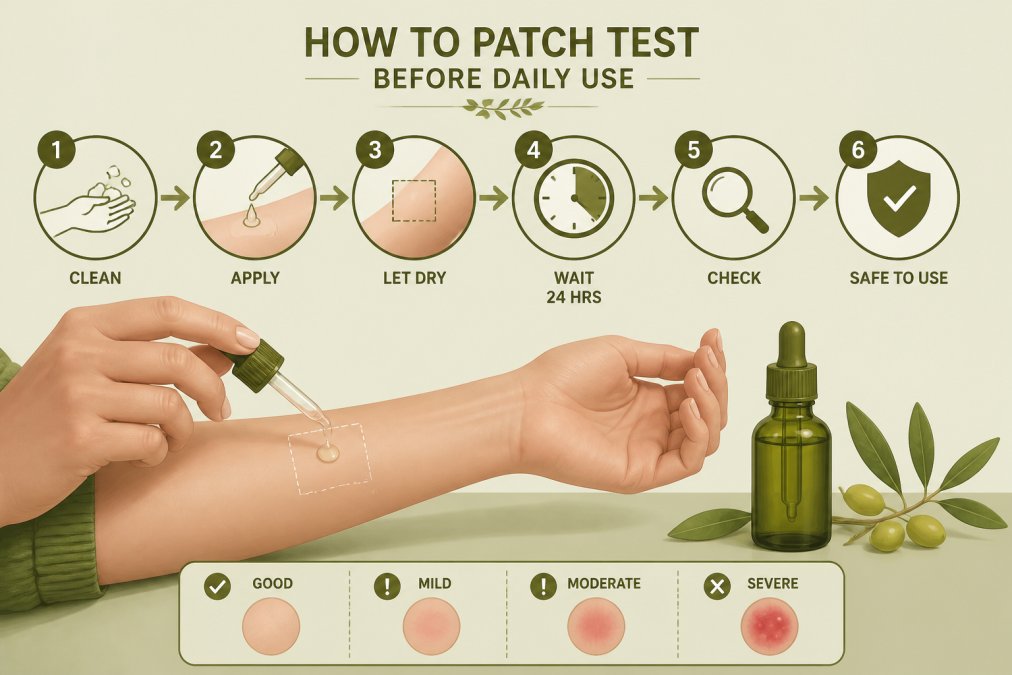
If you're patch testing new products, apply a small amount to your inner arm or behind your ear first. Wait 24-48 hours before using on your face.
Key Takeaways
Understanding skincare toxins isn't about fear, it's about empowerment. You now know:
- Parabens, sulfates, and mineral oil are the three most commonly avoided ingredients, with varying levels of scientific backing
- Ingredient order and concentration matter more than presence alone
- Fragrance is a catch-all term hiding potentially problematic chemicals like phthalates
- Mature and sensitive skin benefits most from simplified, clean formulations
- Reading labels correctly helps you make choices aligned with your values
The best skincare routine is one you'll actually use consistently. If that means switching to paraben-free, sulfate-free products that feel better on your skin and align with your wellness philosophy, the benefits extend beyond ingredients, they include confidence and peace of mind.
Ready to simplify your skincare with ingredients you can trust? Explore Charmed Valley Farm's Flower Face collection, crafted with cold-pressed botanicals and zero synthetic preservatives. From the Flower Oil Face Serum to the Flower Face Spa Box, each product brings farm-to-face goodness to your daily routine.


Frequently Asked Questions
What are the most common skincare toxins I should avoid in my daily routine?
The most frequently cited harmful ingredients include parabens (methylparaben, propylparaben), sulfates like sodium lauryl sulfate (SLS and SLES), mineral oil and petrolatum, phthalates, synthetic fragrance, oxybenzone, and carbon black. However, safety depends on concentration and exposure route. Check your product labels for these names and consider whether they're present in meaningful amounts in products you use daily, especially those left on skin for extended periods.
How do I read skincare ingredient labels to identify harmful ingredients?
Ingredients are listed by concentration in descending order, so those near the top are present in higher amounts. Look for the ingredient names mentioned above, including common variants like 'fragrance,' 'parfum,' or 'essential oils.' Many harmful ingredients hide under multiple names: parabens may appear as methylparaben or propylparaben; sulfates as sodium lauryl sulfate or sodium laureth sulfate. Reading labels as your first defense helps you spot these before purchase and avoid daily exposure to ingredients that concern you.
Which ingredients are most problematic for sensitive skin?
Sensitive skin often reacts to sulfates, synthetic fragrance, certain parabens, and essential oils. If you have reactive skin or are over 40 with mature, sensitive skin, patch test new products first. Concentrations matter: a trace of fragrance in a rinse-off product poses less risk than fragrance in a leave-on serum. Mature skin may also struggle with synthetic polymers and certain preservatives. When choosing products for sensitive skin, prioritize preservative-free options like botanical serums that rely on natural antioxidants for stability.
How do I patch test a new skincare product before using it daily?
Apply a small amount of the product to a discrete area of skin (inner arm or behind the ear) and leave it on for 24-48 hours without washing. Watch for redness, itching, burning, or any allergic reaction during this time. If no reaction occurs, you can cautiously introduce the product into your daily routine, starting with 2-3 times per week before daily use. This approach is especially important for mature or reactive skin and helps you identify ingredients that trigger sensitivity before they affect your face.
Are botanical and preservative-free products safer than conventional skincare?
Botanical products avoid synthetic chemicals and common irritants like parabens and sulfates, making them a good choice for sensitive skin. Preservative-free formulations eliminate synthetic preservatives entirely. However, 'natural' doesn't automatically mean risk-free, some botanicals can irritate sensitive skin. The real advantage is transparency: you know exactly what's in the product and can patch test before daily use. Look for small-batch, cold-pressed formulations like those made with organic sunflower oil, rosehips, and botanical extracts that retain their active properties without synthetic additives.