
Table of Contents
- Understanding Oily Skin and Sebum Production
- How to Balance Sebum Production Naturally
- Choosing a Natural Face Wash for Oily Skin
- The Morning Skincare Routine
- The Evening Skincare Routine
- Non-Comedogenic Botanical Oils for Oily Skin
- Exfoliation and Sun Protection
- Seasonal Adjustments and Ingredient Safety
- Frequently Asked Questions
Last Updated: September 25, 2026
Understanding Oily Skin and Sebum Production
Oily skin occurs when sebum production goes into overdrive. While sebum protects your skin barrier and prevents water loss, excess oil clogs pores and causes breakouts. Understanding the triggers is the first step to managing your natural skincare routine oily skin naturally. Sebum overproduction can result from:
- Genetics: If your parents had oily skin, you likely will too
- Hormones: Fluctuations during puberty, menstruation, and menopause increase oil production
- Diet: High-sugar and high-fat foods can trigger more sebum
- Stress: Cortisol spikes tell your body to make more oil
- Over-cleansing: Stripping your skin of oil makes it produce even more to compensate
- Climate: Heat and humidity increase sebum flow to the skin's surface
The Hormonal Driver Most Guides Miss
Androgens, hormones like testosterone and DHEA, directly stimulate sebaceous glands, which is why oily skin often worsens during: (Checking your browser)
- Puberty: Androgen levels surge, triggering peak sebum production (often lasting into the mid-20s)
- The luteal phase of the menstrual cycle: Progesterone rises in the second half of your cycle, which can increase sebum production by up to 40% in some individuals
- Perimenopause and menopause: Estrogen drops while androgens remain relatively higher, shifting the hormone balance toward more oil production
- Polycystic ovary syndrome (PCOS): Elevated androgens cause persistently oily skin
- Hormonal birth control: Some formulations increase sebum; others reduce it depending on progestin type
Understanding this cycle means you can adjust your routine before breakouts happen. Many people find their skin needs heavier exfoliation and lighter moisturizers during the luteal phase, then can use richer hydration during the follicular phase when sebum naturally decreases.
Beyond hormones, the other drivers matter too. Fighting oil with harsh products backfires. When you strip your skin completely, your sebaceous glands panic and overproduce. A natural skincare routine for oily skin works WITH your body, not against it.
The key insight most people miss is this: your oily skin is not a flaw to eliminate, it's a signal your body is responding to internal and external conditions. The goal is to support your skin's natural processes, not override them with aggressive products.
How to Balance Sebum Production Naturally
Balancing sebum means regulating production for calm, clear skin. Start with hydration: dehydrated skin triggers more oil production, so use lightweight hydration that doesn't clog pores. Support your skin barrier with niacinamide and hyaluronic acid to keep sebum on the surface rather than trapped in pores. Finally, reduce inflammation with anti-inflammatory botanicals like chamomile, green tea, and rose geranium, since inflamed skin produces more oil as a protective response.
Choosing a Natural Face Wash for Oily Skin
Your cleanser sets the tone for everything that follows. For oily skin, choose one that removes excess oil and dead skin cells without stripping. Avoid sulfates, they trigger rebound oil production. Look for gentle plant-derived surfactants instead.
A good natural face wash for oily skin should remove makeup and sunscreen completely without leaving a tight feeling, contain zero pore-clogging ingredients, work with your skin's pH balance, and include calming botanicals rather than just astringents.
The double-cleanse method works well for oily, congestion-prone skin: start with an oil-based cleanser to dissolve makeup and sebum, then follow with a water-based cleanser to remove residue. Oil dissolves oil better than water does.
The Morning Skincare Routine
Your morning routine should be quick and energizing. You're prepping your skin for the day ahead while keeping oil under control.
Step 1: Cleanse (1 minute) Use lukewarm water and your gentle natural face wash. Massage for 30 seconds. Rinse thoroughly. Pat dry with a clean towel, don't rub.
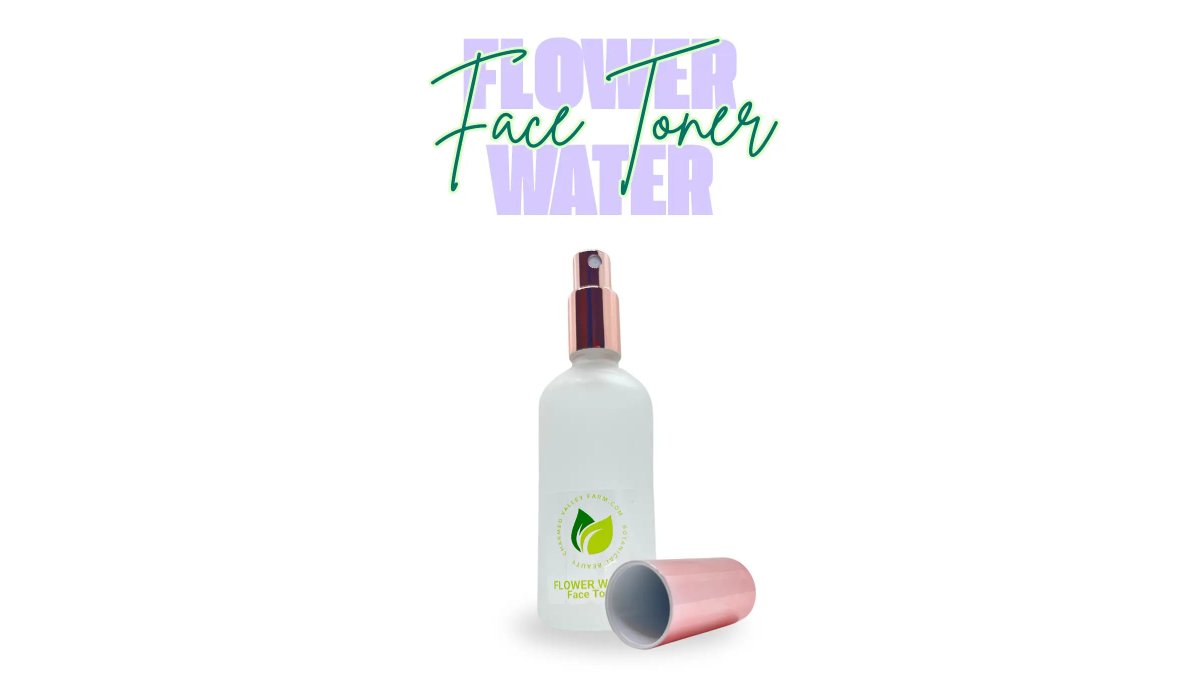
Step 2: Tone (1 minute) The Flower Water Face Toner from Charmed Valley Farm balances pH, hydrates, and preps skin for serums. Spritz it on your face or apply with a cotton pad to reduce the appearance of large pores and balance oils without alcohol or harsh ingredients.

Step 3: Lightweight Serum (1 minute) Apply a few drops of serum to damp skin. This locks in hydration before your moisturizer. For oily skin, choose water-based serums with hyaluronic acid or niacinamide.
Step 4: Moisturize (1 minute) Use a lightweight, oil-free moisturizer. Your skin needs hydration even if it's oily. A gel or water-based formula won't clog pores.
Step 5: Sunscreen (2 minutes) This is non-negotiable. Use a broad-spectrum SPF product designed for oily skin. Mineral sunscreens often feel less greasy than chemical ones.
Your natural skincare routine oily skin takes about 6-7 minutes total in the morning. Consistency matters more than complexity.
The Evening Skincare Routine
Your evening routine is longer because your skin repairs itself at night. This is when you can use slightly richer products and active ingredients.
Step 1: First Cleanse (2 minutes) If you wore makeup or sunscreen, start with an oil-based cleanser.
Non-Comedogenic Botanical Oils for Oily Skin
The biggest myth about oily skin is avoiding all oils. Some actually help balance sebum production. Non-comedogenic oils are lightweight, absorb quickly, and don't create shine.
The best non-comedogenic botanical oils for oily skin include:
- Jojoba oil: Mimics your skin's natural sebum, so it signals your body to produce less
- Rosehip oil: Lightweight, high in vitamins, reduces inflammation
- Sunflower oil: Supports skin barrier without heaviness
- Grapeseed oil: Antioxidant-rich and absorbs quickly
- Squalane: Derived from olives, incredibly lightweight
Exfoliation and Sun Protection
Exfoliation removes dead skin cells that trap sebum in pores. Chemical exfoliants work better than physical scrubs for oily, congestion-prone skin. Look for alpha-hydroxy acids (AHAs like glycolic acid), beta-hydroxy acids (BHAs like salicylic acid), or enzyme exfoliants (papaya or pumpkin). Start with once-weekly exfoliation; increase to twice weekly if tolerated. Never exceed three times per week, you'll damage your barrier.
Ingredient Interaction Safety: Natural + Active Combinations
This is where most natural skincare guides fall short. When you combine botanical oils and natural ingredients with chemical exfoliants, certain combinations can cause irritation, reduce efficacy, or trigger sensitivity. Understanding these interactions prevents wasted products and damaged skin.
Safe combinations:
- BHA + lightweight botanical oils: BHA works inside pores; oils work on the surface. They don't conflict.
- AHA + niacinamide: Both are gentle enough to layer; niacinamide calms AHA irritation.
- Enzyme exfoliants + any botanical oil: Enzymes are gentlest; oils won't interfere.
Avoid or space out:
- AHA + BHA same day: Use one morning, one night, or alternate days.
- Strong AHA + rosehip oil same night: Rosehip's vitamin A amplifies irritation. Use rosehip on non-exfoliation nights.
- Retinol + any chemical exfoliant: Both increase cell turnover. If using retinol, exfoliate only once weekly on alternate nights.
- Vitamin C + BHA: Both acidic; can disrupt barrier. Use vitamin C morning, BHA evening.
Sun Protection
Sun protection is non-negotiable, UV damage causes inflammation, which triggers more sebum production (Checking your browser). For oily skin, choose mineral sunscreens (which feel less greasy) or lightweight "oil-free" formulas, and reapply every two hours. A consistent SPF routine prevents premature aging, reduces inflammation, and helps control oil production long-term.
Seasonal Adjustments and Ingredient Safety
Your skin changes with the seasons. A routine that works in winter might feel heavy in summer. Flexibility keeps your skin balanced year-round.
Summer adjustments:
- Use lighter moisturizers
- Exfoliate slightly more often (heat increases dead skin buildup)
- Increase sunscreen reapplication
- Skip heavy serums or use them less frequently
- Hydrate more, heat dehydrates skin
Winter adjustments:
-
Use richer moisturizers (heating systems dry air)
-
Exfoliate less frequently
-
Add extra hydration layers
-
Reduce exfoliating acids slightly
-
Use heavier oils if needed
-
Don't combine strong acids with retinol in the same routine
-
Avoid mixing vitamin C with niacinamide if your skin is sensitive
-
Be cautious combining multiple active ingredients if you're new to them
Frequently Asked Questions
How often should I exfoliate oily skin naturally?
For oily skin, exfoliate 2-3 times per week using gentle chemical exfoliants like salicylic acid or alpha-hydroxy acids, which dissolve dead skin cells without harsh scrubbing. Physical exfoliation can be more irritating and may trigger excess sebum production. Start with twice weekly and adjust based on how your skin responds. Over-exfoliation strips the skin barrier, actually causing more oil production as your skin tries to compensate.
Which botanical oils are non-comedogenic for oily skin?
Non-comedogenic botanical oils that won't clog pores include rosehip, jojoba, and sunflower oil. These absorb well into skin without leaving a heavy residue. The Flower Oil Face Serum uses cold-pressed sunflower oil combined with rosehips and botanical extracts specifically formulated to balance skin oils while hydrating without congestion. Always patch-test first, and look for oils labeled non-comedogenic to avoid pore blockages.
Can natural ingredients actually reduce oily skin, or is this just marketing?
Natural ingredients like niacinamide, salicylic acid (from willow bark), and botanical extracts genuinely regulate sebum production when chosen correctly. The key is understanding that oily skin needs hydration, not stripping, this prevents your skin from overcompensating with excess oil. Products with chemical-free formulations like our Flower Face line are designed to be gentle on reactive skin.
How do hormones affect sebum production, and can skincare address this?
Hormonal fluctuations, especially during midlife transitions, directly increase sebum production through increased androgen sensitivity in oil glands. While skincare cannot regulate hormones, it can manage the skin's response: lightweight hydration, pH-balanced products, and anti-inflammatory botanicals reduce inflammation and support the skin barrier. This is why consistent morning and evening routines become more important during hormonal shifts.