
Table of Contents
- What Makes Anti-Aging Skincare Rosacea-Safe?
- How to Treat Rosacea and Wrinkles Simultaneously
- Botanical Ingredients to Avoid With Rosacea
- The Best Organic Anti-Aging Serum for Sensitive Skin
- The Flower Face Line: A Closer Look at the Duo
- Patch Testing and Ingredient Interaction Safety
- Conclusion
- Frequently Asked Questions
Last Updated: September 16, 2026
What Makes Anti-Aging Skincare Rosacea-Safe?
Anti-aging skincare for rosacea is safe when it strengthens the skin barrier, avoids known vasodilators and irritants, and relies on soothing botanical actives rather than harsh exfoliating acids or retinoids. The goal shifts from "resurfacing" to "calming while supporting collagen."
Why Standard Anti-Aging Actives Backfire on Rosacea
Retinoids, glycolic acid, and high-concentration vitamin C are the three biggest offenders for reactive skin. Each accelerates cell turnover or delivers an acidic pH that compromises an already fragile barrier, causing stinging, redness, and broken capillaries.
How to Treat Rosacea and Wrinkles Simultaneously
Treating rosacea and wrinkles at once requires actives that support collagen without disrupting the barrier: antioxidant-rich botanical oils, low-concentration niacinamide, and consistent hydration, applied so two potentially irritating steps never stack back to back.
Here is a workable framework:
- Cleanse gently with a non-foaming, fragrance-free cleanser.
- Tone and calm with a hydrating mist to prep damp skin.
- Treat with one antioxidant or barrier-supporting serum, never two at once.
- Moisturize to seal in hydration and support barrier repair.
- Protect with mineral sunscreen every morning.
Botanical Ingredients to Avoid With Rosacea
Certain botanical ingredients trigger flushing even in "natural" and certified-organic formulas. Many contain volatile compounds that dilate blood vessels, strip the lipid barrier, or provoke an immune response in already-reactive skin. Knowing the mechanism helps you spot the next offender on a label.
The Main Offenders and Why They Trigger Flares
- Witch hazel with alcohol. The alcohol, not the tannins, is the problem: it evaporates quickly and takes barrier lipids with it, leaving skin tighter and more reactive. Alcohol-free witch hazel hydrosols are better tolerated, though still not ideal for daily use.
- Peppermint and eucalyptus oils. Their menthol and 1,8-cineole activate cold-sensing receptors. The cooling feels soothing, but the same receptors are linked to vasodilation, so flushing often follows within 10 to 30 minutes.
- Citrus peel oils (bergamot, lemon, lime, grapefruit). Their furanocoumarins are phototoxic: applied before sun exposure, they can cause a burning, blistering reaction mistaken for a rosacea flare. Even without sun, the limonene is a common contact irritant.
- Essential oils high in linalool or limonene (lavender, rose geranium, ylang-ylang, tea tree). These are among the most common botanical sensitizers, and the issue is cumulative, a product may feel fine for weeks, then begin causing reactions as sensitization builds.
- Fragrance blends, including "natural fragrance." "Natural" says nothing about irritation potential; natural fragrance can contain dozens of aromatic compounds, any of which can trigger flushing. Fragrance-free is the safer default.
- Physical scrubs with ground seeds, shells, or salt. The problem is mechanical: micro-abrasion on a compromised barrier causes immediate redness and can rupture fragile capillaries.
- High-concentration essential oil blends. Oils tolerated at 0.1% can irritate at 2% or 3%. Concentration matters as much as the ingredient itself.
Rinse-Off vs. Leave-On: A Distinction Most Guides Miss
A botanical that irritates in a leave-on serum may be fine in a cleanser rinsed off within 60 seconds, contact time drives reaction risk. Leave-on products (serums, moisturizers, facial oils, toners) carry the highest risk because the ingredient stays on skin for hours.
What to Use Instead
For each irritant category, there is a better-tolerated alternative:
- Instead of alcohol-based witch hazel: a hydrosol toner made from rose, chamomile, or yarrow, with no added alcohol.
- Instead of peppermint or eucalyptus: a chamomile or oat-based calming mist. You lose the cooling sensation, but keep the calming effect without the vasodilation.
- Instead of citrus peel oils: cold-pressed sunflower, rosehip, or raspberry seed oil for antioxidant protection. These carry naturally occurring vitamin E and essential fatty acids without furanocoumarins.
- Instead of high-linalool essential oils: unscented botanical oils, or formulas where any essential oil appears at the very end of the ingredient list, indicating a trace amount rather than a functional concentration.
- Instead of fragrance blends: fragrance-free formulas, or formulas scented only by the botanical oils themselves at low concentration.
- Instead of physical scrubs: chemical exfoliation is not automatically safer for rosacea, for many people the better answer is no exfoliation at all, supporting the barrier so dead cells shed on their own.
"Organic" and "gentle" are not synonyms: a certified-organic formula can still contain a botanical that sets off a flare. Read the ingredient list, not the certification seal.
The Best Organic Anti-Aging Serum for Sensitive Skin
The best organic anti-aging serum for sensitive skin delivers antioxidant protection from cold-pressed botanical oils while avoiding every category on the irritant list above. Cold-pressed sunflower oil, rosehip, and raspberry leaf extract fit that brief, carrying naturally occurring antioxidants without added fragrance or preservatives.
| Product | Key Botanicals | Reported Focus | Size | Price |
|---|---|---|---|---|
| Flower Oil Face Serum | Sunflower oil, rosehip, rose geranium | Fine lines, redness, hydration | 1 oz | $45.00 |
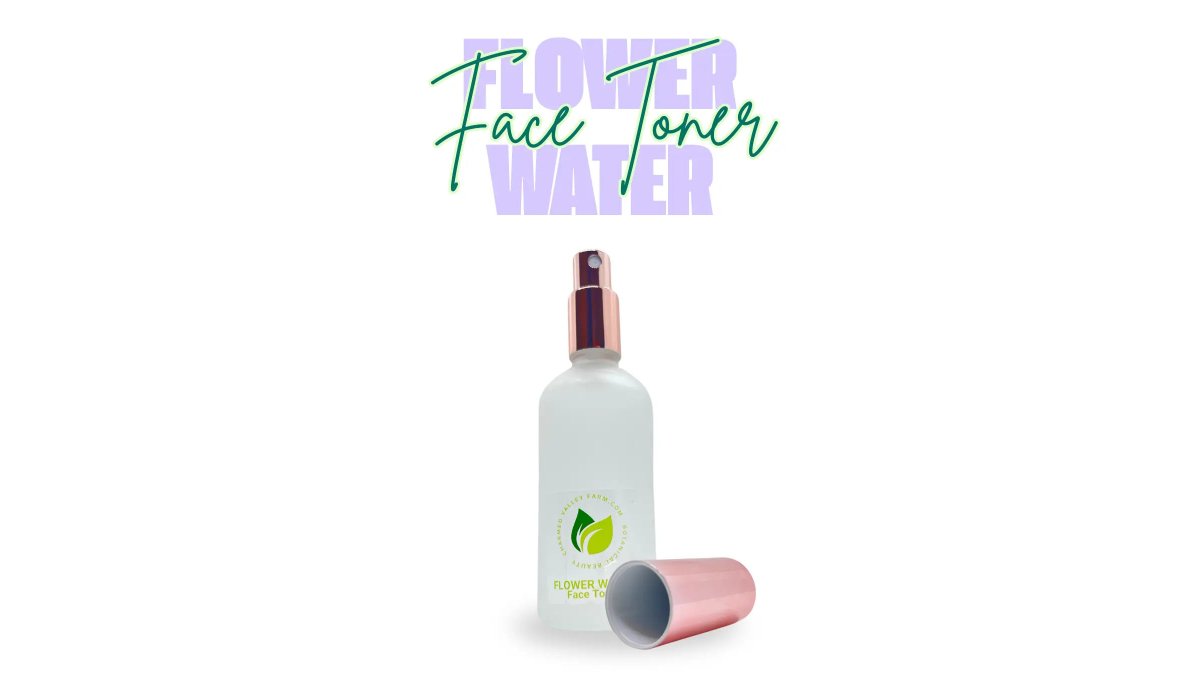
| Flower Water Face Toner | Lavender, clary sage, yarrow, honeysuckle hydrosol | Tone, pores, cooling | 3.4 oz | $45.00 |
| Flower Face Duo | Both of the above | Full routine, barrier support | 1 oz + 3.4 oz | $85.00 |
| Goa Sha Stone | Sculpting tool for use with serum | Puffiness, definition | One size | $9.00 |
The Flower Face Line: A Closer Look at the Duo
The Flower Face Duo pairs the Flower Water Face Toner with the Flower Oil Face Serum for $85.00, saving versus buying each separately at $45.00.


Patch Testing and Ingredient Interaction Safety
Patch testing and ingredient interaction safety are the two steps most people skip, and the reason a routine that should work sometimes does not. On rosacea-prone skin a reaction can set off a flushing cycle that takes days to settle, so the protocol below is stricter than most product boxes suggest.

A Rosacea-Specific Patch Testing Protocol
The standard "apply behind the ear, wait 24 hours" advice is not enough: behind-the-ear skin is thicker and less vascular than the cheeks and nose, so a product can pass an ear test and still trigger a flare on the central face.
Run this staged protocol instead:
- Day 1, inner forearm. Apply a pea-sized amount to a 1-inch square. Leave uncovered. Check at 30 minutes, 4 hours, and 24 hours for redness, itching, burning, or small bumps.
- Day 3, jawline edge. If the forearm is clear, apply to a 1-inch square along the jaw, near but not on the cheek. Check at 30 minutes, 4 hours, and 24 hours. The jaw is closer in vascularity to the cheek than the forearm is.
- Day 5, one cheek. Apply to a 1-inch square on one cheek only, so you have a control side. Check at 30 minutes, 4 hours, and 24 hours.
- Days 6-12, full-face introduction. If all three sites stayed calm, begin using the product on the full face, alone, with nothing new added alongside it.
- One new product per two weeks. Never introduce two new products in the same 14-day window. If a reaction appears, you need to know which product caused it.
Which Anti-Aging Actives Can Be Layered, and Which Cannot
Ingredient interaction matters as much as any single ingredient: two ingredients that are gentle alone can become irritating when stacked, because they lower the skin's threshold for the next step.
- Niacinamide + vitamin C. Layerable by most people, but on reactive skin the combination frequently stings, especially above 10% vitamin C. Use niacinamide in the morning and vitamin C in the evening, or alternate days.
- Azelaic acid + retinoids. Do not use in the same routine. Both increase cell turnover and barrier demand, and stacking them is a common cause of flares in people who tolerate each alone.
- Retinoids + exfoliating acids (glycolic, lactic, salicylic). Do not stack. Choose one pathway, and for rosacea-prone skin the safer choice is usually neither.
- Peptides + niacinamide. Well tolerated together and one of the better anti-aging pairings for reactive skin, since peptides support collagen signaling without retinoids' irritation profile.
- Vitamin C + exfoliating acids. Do not layer. Both sit at an acidic pH, and the combined acid load frequently triggers stinging and flushing.
- Antioxidant botanical oils + mineral sunscreen. Fine to layer, and a reasonable morning sequence: oil first on damp skin, mineral sunscreen last.
The Anti-Aging Active Hierarchy for Reactive Skin
Not all anti-aging actives carry the same risk on rosacea-prone skin:
- Lowest risk, barrier and hydration support. Hyaluronic acid, glycerin, ceramides, panthenol, and cold-pressed botanical oils support the barrier rather than demanding anything from it.
- Low risk, gentle collagen support. Copper peptides, matrixyl-type peptides, and niacinamide at 2-5% signal collagen production without accelerating turnover.
- Moderate risk, introduce with caution. Azelaic acid at low concentrations and bakuchiol as a retinol alternative. Some people with rosacea tolerate these well; others do not. Patch test and introduce alone.
- Higher risk, usually avoid. Retinol and retinaldehyde, glycolic and lactic acid, high-concentration L-ascorbic acid, and physical scrubs are the actives most likely to trigger a flare.
Conclusion
Building an anti-aging routine for rosacea means accepting a slower, gentler path than the one marketed to everyone else. The payoff is skin that stays calm while still improving in fine lines, redness, and hydration over time.
Frequently Asked Questions
What are the best anti-aging products for people with rosacea?
Look for anti-aging skincare with soothing, barrier-supporting formulas rather than strong acids or retinoids. Ingredients like niacinamide, ceramides, hyaluronic acid, and gentle botanical oils can address fine lines while calming redness. Preservative-free, fragrance-free products reduce flare risk. A simple routine with a hydrating toner and a nourishing serum often works better than a shelf full of actives.
What ingredients should be avoided in anti-aging products if you have rosacea?
Avoid high-strength glycolic acid, retinol, synthetic fragrance, drying alcohols, and physical scrubs. Botanical ingredients to avoid with rosacea include peppermint, eucalyptus, and citrus essential oils, which can trigger burning or redness. Also skip products with denatured alcohol or harsh preservatives if your skin is reactive. Patch test any new botanical extract before applying it to your whole face.
Can organic skincare effectively treat signs of aging in rosacea patients?
Organic skincare can help with signs of aging when it focuses on barrier repair and inflammation control. Plant-based oils rich in antioxidants and fatty acids support skin elasticity and reduce transepidermal water loss. However, organic doesn't automatically mean gentle. Check for soothing agents like chamomile, green tea extract, and aloe vera, and avoid irritating botanicals. Consistent use of a gentle serum can smooth fine lines without provoking a flare.
How do you layer anti-aging products without triggering a rosacea flare-up?
Apply products from thinnest to thickest: a calming toner first, then a water-based serum, then an oil or moisturizer. Wait 30 seconds between layers to let each absorb. Introduce one new product at a time, and patch test on your jawline for three nights before using it on your full face. If redness increases, stop the new product and return to your basic routine.
Are botanical extracts safe for skin with chronic redness?
Many botanical extracts are safe and helpful for chronic redness, especially chamomile, green tea extract, turmeric, and sea buckthorn. These have anti-inflammatory properties that can calm the skin. The risk comes from concentrated essential oils and exfoliating plant acids. Choose products with a short ingredient list and no added fragrance. Patch testing protocols are essential.