
Table of Contents
- Why Facial Redness Happens and How to Spot Your Triggers
- Natural Anti-Inflammatory Skincare Ingredients That Work
- Soothing Face Masks for Red Skin and Quick Relief
- Your Daily Routine to Soothe Facial Redness Naturally
- Frequently Asked Questions
Last Updated: September 2, 2026
Why Facial Redness Happens and How to Spot Your Triggers
Facial redness stems from inflammation and increased blood flow to the skin's surface, often triggered by specific environmental, dietary, or lifestyle factors (peer-reviewed research). Common triggers include extreme temperatures, spicy foods, alcohol, stress, harsh skincare products, and sun exposure. Some experience redness from rosacea, a chronic skin condition characterized by persistent flushing and visible blood vessels (the NIH).
The key is observation. Keep a simple log for two weeks: note when your face feels hot or appears red, what you ate, your stress level, weather conditions, and which skincare products you used. Patterns emerge quickly. Your triggers are unique, and identifying them transforms how you approach soothing facial redness naturally.
Natural Anti-Inflammatory Skincare Ingredients That Work
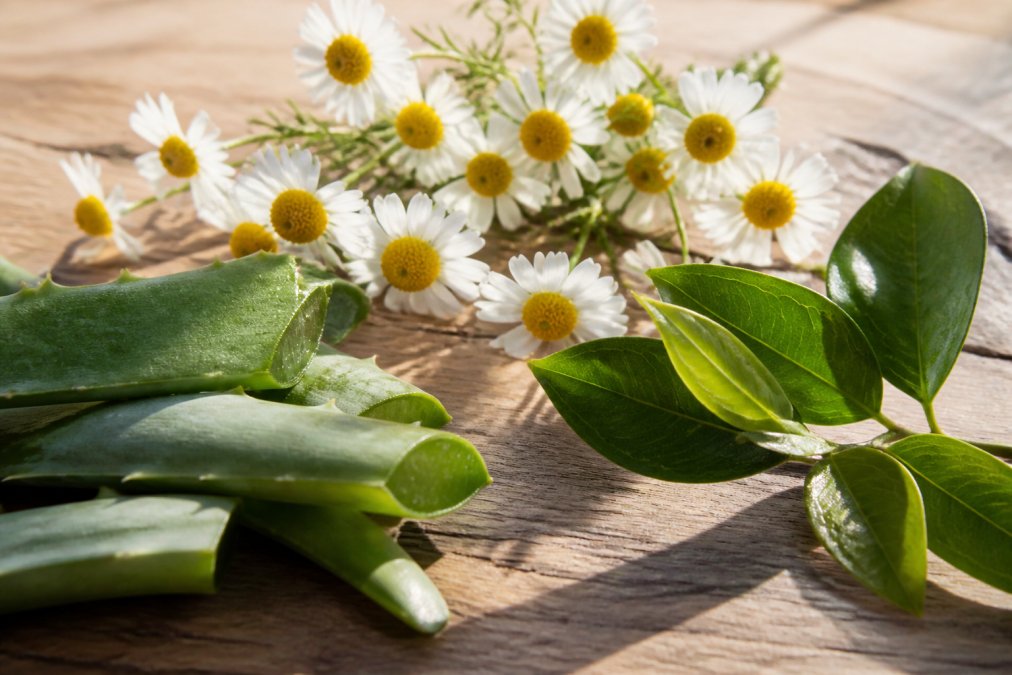
Botanical extracts possess natural anti-inflammatory and antioxidant properties that calm irritated skin without harsh chemicals (peer-reviewed research). These ingredients reduce vasodilation (the widening of blood vessels that causes visible redness) and strengthen your skin barrier.
Chamomile reduces inflammation and promotes cellular repair. Aloe vera hydrates deeply while delivering antioxidants. Green tea is rich in polyphenols that fight inflammation. Centella asiatica (cica) strengthens the epidermal barrier. Lavender oil calms irritated skin with mild antimicrobial properties.
Look for these ingredients in toners, serums, and face masks near the top of ingredient lists. At Charmed Valley Farm, our Flower Water Face Toner combines lavender, clary sage, amaranth, yarrow, and honeysuckle to clarify, calm, and protect irritated skin. Apply directly after cleansing to prepare your skin for deeper treatments.

Soothing Face Masks for Red Skin and Quick Relief
Face masks deliver concentrated doses of soothing ingredients directly to irritated areas. A good mask for redness-prone skin should be hydrating, anti-inflammatory, and free of fragrance and essential oils that might trigger sensitivity.
Honey-based masks are excellent for red skin due to natural antimicrobial and anti-inflammatory properties. Apply a thin layer, leave for 10-15 minutes, then rinse gently. Avoid clay masks if your skin is actively inflamed, as clay draws moisture from compromised skin barriers.
Make a simple mask at home: mix one tablespoon of raw honey with one teaspoon of aloe vera gel. Apply, wait 15 minutes, rinse with lukewarm water.
Your Daily Routine to Soothe Facial Redness Naturally
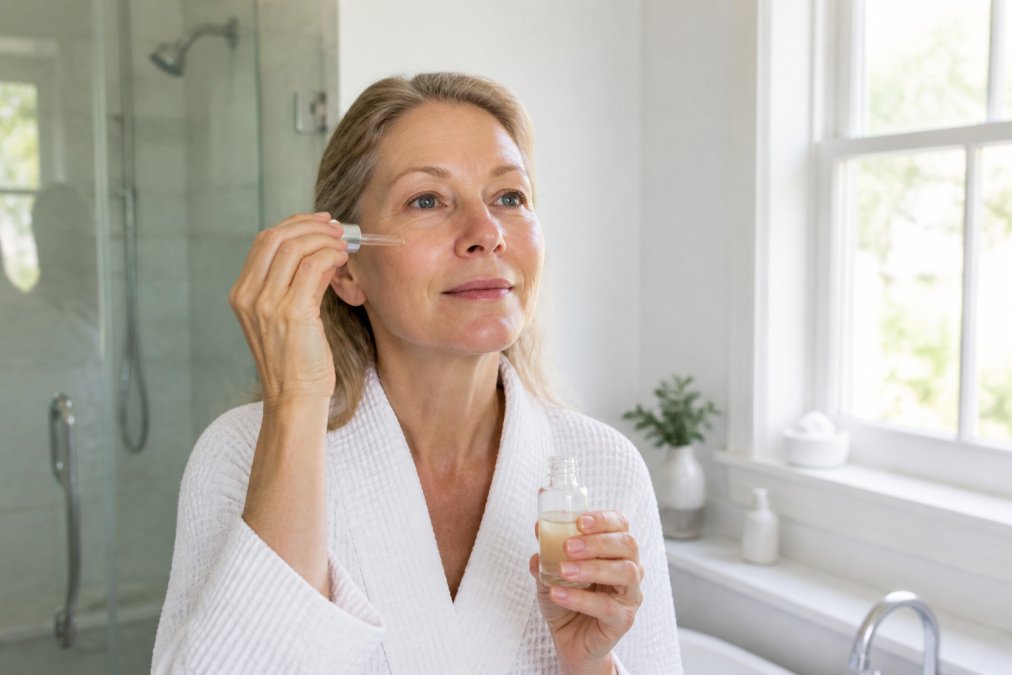
A consistent routine prevents flare-ups better than emergency treatments. The goal is to support your skin barrier, reduce inflammation, and avoid triggering ingredients.
Morning routine: Rinse with lukewarm water. Apply a hydrating toner like our Flower Water Face Toner Set to damp skin. Follow with a lightweight serum or moisturizer. Apply broad-spectrum sunscreen, as sun exposure is one of the most common redness triggers.

Evening routine: Cleanse gently with a non-stripping cleanser. Pat skin dry. Apply toner while skin is still slightly damp. Follow with a nourishing serum like our Flower Oil Face Serum, which reduces inflammation and repairs damaged cells.

Weekly addition: Use a soothing face mask once or twice weekly. Consistency matters more than intensity. Stick with this routine for at least four weeks before expecting significant improvement.
Facial redness responds best to identifying your personal triggers and building a routine around gentle, anti-inflammatory ingredients. The botanical-based approach, supported by ingredients like chamomile, aloe vera, and green tea, works because it addresses inflammation at the source without harsh chemicals. Charmed Valley Farm's Flower Oil Face Serum Set and toner line are specifically formulated to reduce redness and repair your skin barrier. Start with observation, choose your products thoughtfully, and give your skin time to respond.
Frequently Asked Questions
Q: What are the best natural anti-inflammatory ingredients for facial redness?
A: Chamomile, aloe vera, green tea, centella asiatica, and calendula are proven botanical extracts that reduce inflammation and calm irritation. Lavender oil and raw honey also soothe sensitive skin and support the skin barrier. Look for products that combine multiple ingredients, our Flower Water Face Toner blends lavender, clary sage, and amaranth to address redness at the source while hydrating and balancing pH naturally.
Q: How do I identify what's triggering my facial redness?
A: Common triggers include harsh skincare products, extreme temperatures, spicy foods, alcohol, stress, and sun exposure. Keep a simple log for two weeks: note when redness appears, what you ate, products used, and stress levels. Patch test new products on your inner arm first. If redness appears after specific activities or foods, that's likely your trigger. Sensitive skin reacts quickly to irritants, while rosacea or flushing may be tied to vasodilation and heat.
Q: Can soothing face masks actually reduce redness fast?
A: Yes, when made with the right ingredients. Masks with aloe vera, cucumber extract, or green tea provide immediate cooling and anti-inflammatory relief. For lasting results, use soothing masks 2-3 times weekly as part of a consistent routine. Pair them with a hydrating serum like our Flower Oil Face Serum, which reduces inflammation and repairs the epidermal barrier over time, decreasing redness-prone reactions.
This article was written using GrandRanker