
Table of Contents
- What Happens When You Switch to Chemical-Free Skincare
- Understanding the Natural Skincare Transition Period
- Skin Purging vs Breaking Out: Know the Difference
- Organic Beauty Products for Sensitive Skin
- Factors That Influence How Fast Results Appear
- Building a Consistent Chemical-Free Routine
- Recognizing Real Progress and Staying Patient
- Conclusion
- Frequently Asked Questions
Last Updated: September 21, 2026
What Happens When You Switch to Chemical-Free Skincare
Switching to chemical-free skincare is not like flipping a light switch. Your skin needs time to adjust. At Charmed Valley Farm, we understand that patience is part of the process, and it's worth it. When you move away from synthetic ingredients and embrace botanical-based products, your skin undergoes a real transition. This isn't failure. It's adaptation.
Many people expect instant results. They want their skin to look better tomorrow. But here's what actually happens: your skin cells are used to certain chemicals. When you remove them, your skin recalibrates. This process takes weeks, not days. The good news? Once your skin adjusts, you often see improvements that last.
The timeline for how long does it take for chemical-free skincare to work depends on several factors. Your skin type matters. Your age matters. How consistent you are matters most of all. Some people see visible changes in 4 weeks. Others need 8 to 12 weeks. Both are normal.
Understanding the Natural Skincare Transition Period
The natural skincare transition period is the adjustment phase your skin goes through when you switch from conventional products to chemical-free alternatives. Your skin is shedding old patterns and learning to work with new ingredients. This period typically lasts between 4 and 12 weeks, depending on your skin's sensitivity and your product choices.
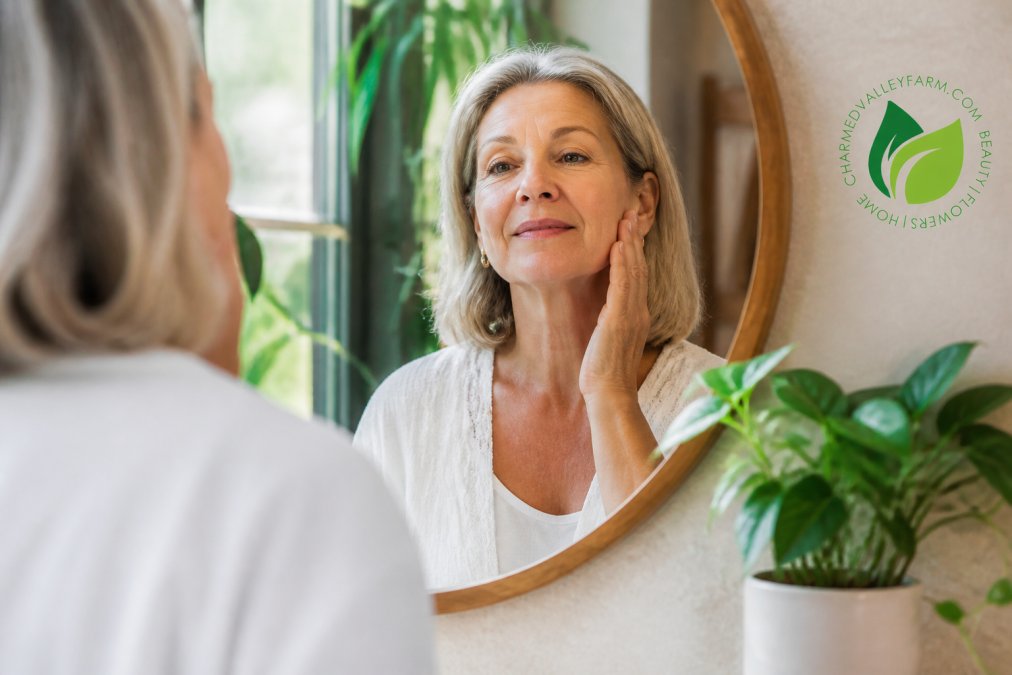
Think of it like switching your diet. If you suddenly eat only whole foods after years of processed options, your body feels different at first. Your skin works the same way. Chemical-free skincare asks your skin to function without synthetic fillers, preservatives, and synthetic actives. Your skin responds by producing its own natural oils and balancing its microbiome. This rebalancing takes time.
The First 2 Weeks: Initial Adjustment
The first two weeks are your skin's introduction phase. You might notice dryness, slight redness, or a change in texture. This is normal. Your skin is losing access to synthetic humectants and occlusive agents it relied on. Your natural moisture barrier is waking up.
Some people experience tightness or mild flaking. Others see no change at all. Both experiences are fine. Your skin is not breaking out, it's simply responding to new ingredients. Botanical extracts work differently than synthetic compounds. They penetrate skin differently. They hydrate differently.
During these first two weeks, stick with your routine. Don't add more products. Don't switch brands. Consistency matters most. If you have sensitive skin, this is when you prove it to yourself by staying the course.
Weeks 3-6: The Skin Cell Turnover Cycle
Your skin cell turnover cycle is the natural process where old skin cells shed and new ones surface. This cycle typically takes about 28 days. During weeks 3 to 6, you're watching this cycle happen with new products supporting it. This is when many people notice their first real changes.
Your skin might feel smoother. Fine lines might appear softer. Your complexion might look brighter. These changes happen because your skin barrier is strengthening. Botanical oils like those in Charmed Valley Farm's Flower Oil Face Serum support this process with organic cold-pressed sunflower oil, rosehips, and raspberry leaves. These ingredients don't rush your skin, they support what your skin wants to do naturally.
Some people still experience occasional dryness or sensitivity during this phase. That's okay. Your skin is still adjusting. Hydration levels improve as your barrier heals. Exfoliation happens naturally without harsh chemical peels. Your skin is doing the work itself.
Weeks 7-12: Visible Results Emerge
By week 7, most people see real progress with how long does it take for chemical-free skincare to work. Your skin has completed one full cell turnover cycle and is starting its second. This is when visible results typically emerge. Fine lines look less pronounced. Redness decreases. Skin texture improves. Hydration levels stabilize.
Your skin's microbiome has adjusted to botanical ingredients. Your natural oil production has balanced. If you had breakouts during weeks 1-6, they're usually clearing now. Your skin barrier is stronger. You're seeing the real benefits of chemical-free skincare.
This is also when many people realize they don't need as many products as they thought. Simple routines work best. A good toner and serum, like the Flower Face Duo from Charmed Valley Farm, can be all mature skin needs. Your skin is doing more of the work itself now.

Skin Purging vs Breaking Out: Know the Difference
Skin purging and breaking out look similar but mean very different things. Understanding the difference keeps you from abandoning products that actually work for you. Skin purging is when your skin accelerates the removal of dead skin cells and impurities using new botanical ingredients. Breaking out is when a product irritates your skin or clogs pores.
Purging typically happens in the first 2 to 4 weeks. It appears in areas where you already have congestion, usually your chin, jawline, or forehead. The breakouts are small and surface-level. They clear quickly, usually within a few days. Purging is a sign your chemical-free skincare is working, not failing.
Breaking out from a product looks different. The breakouts appear in new areas. They're deeper and more inflamed. They last longer than a few days. They might itch or hurt. This is your skin telling you the product doesn't work for it. Stop using it.
Here's the practical test: if breakouts appear in areas where you normally break out and they clear within a week, you're likely purging. If breakouts spread to new areas and stick around, you're reacting. Switch products.
Many people abandon chemical-free skincare during the purging phase because they think it's making things worse. Don't. Purging is temporary. It means your skin is clearing congestion it's been holding onto. This is progress, even though it doesn't feel like it.
Organic Beauty Products for Sensitive Skin
Sensitive skin needs gentle support, not aggressive treatment. Organic beauty products work well for sensitive skin because they skip the synthetic irritants that trigger reactions. But not all organic products are created equal. Some botanical extracts are still strong. Some oils can cause problems for reactive skin.
For sensitive skin, start with products that have short ingredient lists. Fewer ingredients mean fewer potential triggers. Look for products that use distilled botanical waters and cold-pressed oils rather than concentrated extracts. The Flower Water Face Toner from Charmed Valley Farm uses distilled water with traces of lavender, clary sage, amaranth, yarrow, and honeysuckle. This is gentle enough for reactive skin because the botanical compounds are present but not concentrated.

Patch testing matters for sensitive skin. Apply a new product to your inner arm or behind your ear first. Wait 24 hours.
Factors That Influence How Fast Results Appear
Several factors change how long does it take for chemical-free skincare to work for you specifically. Your age matters. Mature skin cell turnover takes longer than younger skin. A 50-year-old might need 12 weeks to see what a 30-year-old sees in 6 weeks. This is normal aging, not a product failure.
Building a Consistent Chemical-Free Routine
A consistent routine is your biggest tool for seeing how long does it take for chemical-free skincare to work actually work. Consistency beats perfection. A simple routine you follow every day beats a complicated routine you skip.
Recognizing Real Progress and Staying Patient
Real progress with chemical-free skincare looks specific. Your fine lines soften. Your skin feels smoother. Your complexion looks more even. Redness decreases. Your skin feels hydrated without feeling greasy. These are real changes you can see and feel.
Conclusion
How long does it take for chemical-free skincare to work? The honest answer is 8 to 12 weeks for most people, with some seeing changes by week 4 and others needing the full 12 weeks. Your skin needs time to adjust, complete its natural cell turnover cycle, and build a stronger barrier.
Frequently Asked Questions
Why does my skin look worse after switching to chemical-free skincare?
Your skin may experience a temporary adjustment phase called purging, where it sheds built-up residue from synthetic ingredients. This is different from a negative reaction. During the natural skincare transition period, your skin cell turnover cycle accelerates as your lipid barrier begins to heal. This process typically lasts 2-6 weeks and is a sign that your skin is normalizing, not failing. If irritation persists beyond 8 weeks or worsens significantly, consult a dermatologist.
How long is the skin purging phase for natural products?
Skin purging typically lasts between 2 to 6 weeks, though some people experience it for up to 8 weeks. The duration depends on how long you used synthetic products and how congested your skin became. During this time, you may see breakouts, flaking, or increased oiliness as your skin sheds damaged cells and rebalances. Keep using your chemical-free products consistently, stopping early can interrupt the healing process and extend the adjustment period.
What makes organic beauty products for sensitive skin different from regular natural skincare?
Organic beauty products for sensitive skin are formulated without synthetic fragrances, preservatives, and harsh actives that trigger inflammation. They focus on botanical extracts and natural oils that support skin barrier health. Products like the Flower Face line use cold-pressed oils and flower-based ingredients that are gentler on reactive skin. For mature, sensitive skin, these formulations help maintain hydration levels without the irritation of chemical alternatives.
Do chemical-free products work as fast as synthetic ones?
Chemical-free skincare typically shows visible results within 8-12 weeks, while some synthetic products may appear faster due to irritation-induced plumping or dehydration masking. However, chemical-free results are more sustainable. Botanical ingredients work gradually to strengthen your skin barrier and improve skin texture. The slower timeline reflects genuine healing rather than temporary inflammation, meaning results last longer once your skin fully adjusts.