
Table of Contents
- Understanding Shelf Life for Fresh Skincare Ingredients
- Signs of Expired Organic Skincare You Should Know
- How to Store Botanical Skincare for Maximum Potency
- Shelf Life of Natural Skincare Products by Type
- The Role of Preservatives in Extending Shelf Life
- Reading PAO Symbols and Expiration Dates
- How to Safely Dispose of Expired Skincare
- Frequently Asked Questions
Last Updated: September 22, 2026
Understanding Shelf Life for Fresh Skincare Ingredients
Most natural botanical products last 6-12 months once opened; unopened items stay potent longer. Shelf life depends on formula type and storage conditions.
Charmed Valley Farm's preservative-free Flower Face Skincare prioritizes ingredient integrity and maximum potency, requiring use within a specific timeframe.
What affects how long fresh skincare ingredients last:
- Type of formula (oil-based, water-based, or emulsion)
- Whether the product contains preservatives
- Storage conditions and temperature
- Exposure to light and air
- How often you open the container
Preservative-free doesn't mean unstable, shelf life depends entirely on storage. Like fresh flowers in cool water, skincare lasts longer away from heat.
Signs of Expired Organic Skincare You Should Know
Expired skincare may show no visible signs; degradation often happens invisibly at the molecular level until contamination or breakdown reaches an advanced stage.
Visual and sensory signs that organic skincare has expired:
- Separation or layering that doesn't mix back together
- Discoloration or darkening (especially in light-sensitive formulas like vitamin C or retinol)
- Thick, clumpy texture or unusual consistency
- Mold or cloudiness in water-based products (white, green, or black spots indicate fungal growth)
- Strong chemical or off smell (rancidity indicates oxidation of oils; vinegar-like odor suggests bacterial fermentation)
- Crusty buildup around the container opening (dried product residue traps bacteria)
- Visible separation in emulsions that doesn't re-blend when shaken
What's harder to spot, and how to identify it:
Bacterial contamination without visible growth: Preservative-free water-based products are vulnerable. Fermented, sour, or yeasty odors indicate bacterial colonies. Do not use the product.
Oxidation in oils and oil-soluble actives: Vitamin C serums, retinol products, and botanical oils oxidize when exposed to air and light. Watch for scent shifts, loss of efficacy, or subtle browning or yellowing.
Peptide and protein degradation: Products containing peptides or plant proteins may separate or develop a grainy texture as peptide chains break down. The formula may look curdled or have a cottage-cheese-like consistency.
pH drift in acid-based products: Exfoliating toners with AHAs or BHAs may lose effectiveness as pH rises over time (the formula becomes less acidic). You won't see this change, but your skin will respond less noticeably to the treatment.
The real risk:
Organic products without preservatives are more vulnerable to bacterial contamination over time because nothing is actively preventing microbial growth. If you notice any signs of growth, separation, unusual odor, or texture change, toss it. Your skin is worth more than the cost of the product. Contaminated products may cause breakouts, inflammation, or irritation that takes weeks to resolve.
How to Store Botanical Skincare for Maximum Potency
Poor storage destroys fresh skincare ingredients in weeks. Optimal storage varies by climate and formula type.
The core storage rules:
- Keep products in a cool, dark place (between 50-70°F is ideal)
- Avoid direct sunlight and heat sources
- Use airtight containers or pump dispensers instead of jars
- Never store in the bathroom if it gets steamy or humid
- Keep lids tightly sealed between uses
- Store away from windows, radiators, and heat-generating appliances
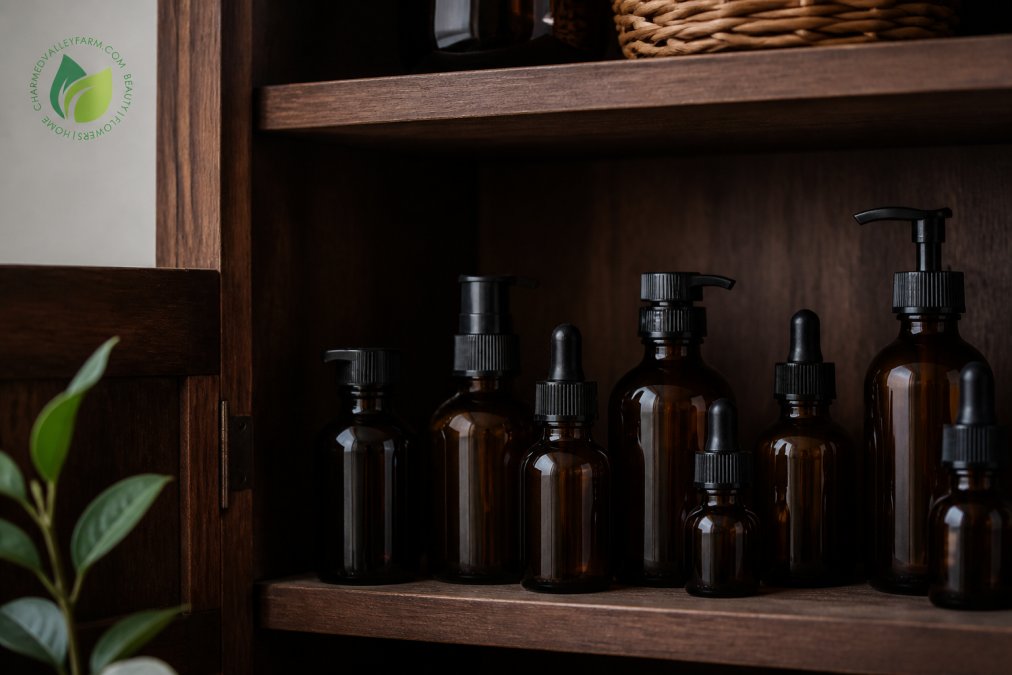
Why airtight packaging matters: Each time you open a jar, you introduce oxygen and bacteria. Pump dispensers or dropper bottles minimize air exposure and are superior for preservative-free formulas.
Climate-specific storage guidance:
In humid or tropical climates (above 70°F with high humidity):
- Water-based products degrade 30-50% faster due to accelerated bacterial growth and mold
- Store in the coolest room available, away from windows
- Use desiccant packets (silica gel) to absorb excess moisture
- Check products weekly for cloudiness or separation
- Refrigerate water-based toners if climate is consistently above 75°F
In arid or cool climates (below 60°F with low humidity):
- Products are more stable overall, but temperature fluctuations matter more
- Avoid storing near heating vents or radiators, which create micro-climates of extreme heat
- Oil-based serums remain stable longer but can still oxidize if exposed to light
- Water-based products are less vulnerable to bacterial growth but may evaporate slightly over time if containers aren't perfectly sealed
Ingredient-specific storage considerations:
Water-based products (toners, hydrosols, essences): These are especially vulnerable to microbial growth in humid air.
The best storage spots:
- A cool bedroom drawer or linen closet (away from windows)
- A cabinet in a hallway or entryway (not near heating or cooling vents)
- A cool basement shelf (if humidity is controlled)
- NOT the bathroom counter (humidity and heat from showers)
- NOT near a window (light exposure)
- NOT above the sink (moisture and temperature fluctuations)
- NOT in a car or bag (temperature extremes)
Shelf Life of Natural Skincare Products by Type
Oil-based serums: 12 months unopened, 8-12 months opened. Risk: oxidation from air and light. Storage: dark glass in cool conditions. Sign of trouble: rancid smell.
Water-based toners and hydrosols:
- Shelf life: 6-12 months unopened, 6-8 months opened
- Degradation risk: Bacterial and mold growth, evaporation
- Storage: Cool, dark, sealed containers
- Sign of trouble: Cloudiness, separation, or visible growth
Emulsions (creams and lotions that blend oil and water):
- Shelf life: 6-9 months unopened, 3-6 months opened
- Degradation risk: Separation, bacterial growth, loss of texture
- Storage: Cool place, airtight container
- Sign of trouble: Visible separation, graininess, or odor
Preservative-free formulas (like Flower Face Skincare):
- Shorter shelf life than conventional products
- Rely entirely on proper storage and handling
- Best used within 12 months of purchase
- Quality degrades gradually, not suddenly
The Role of Preservatives in Extending Shelf Life
Preservatives are the invisible force behind shelf life. They prevent bacterial and mold growth, slow oxidation, and stabilize formulations.
How preservatives work:
- Kill or inhibit microbial growth
- Prevent water-based products from becoming breeding grounds for bacteria
- Slow chemical breakdown of active ingredients
- Allow products to survive temperature fluctuations
Reading PAO Symbols and Expiration Dates
The Period After Opening (PAO) symbol is your guide to how long a product stays potent after you first use it.
How to read it:
- 6M = Use within 6 months of opening
- 12M = Use within 12 months of opening
- 3M = Use within 3 months of opening
How to Safely Dispose of Expired Skincare
Expired skincare shouldn't go down the drain or in the trash without thought. Some ingredients can harm aquatic ecosystems, and certain formulations need proper handling.
Disposal methods:
For oil-based products:
- Mix with absorbent material (paper towels, rice, or kitty litter) to prevent liquid waste
- Place in a sealed bag and throw in regular trash
- Some municipalities have hazardous waste collection days for cosmetics
For water-based products:
- Small amounts can go down the drain with plenty of water
- Large quantities should be treated like the oil-based method
- Check local guidelines for cosmetic waste disposal
For all skincare:
- Never pour large quantities down the drain
- Never throw liquid bottles directly in trash (they leak)
- Consider composting if the formula is 100% natural and contains no synthetics
- Some beauty retailers accept empty bottles for recycling programs
Frequently Asked Questions
How long do fresh skincare ingredients last once a product is opened?
Once opened, most fresh skincare ingredients last 6-12 months, depending on the formulation and storage conditions. Oil-based products like serums typically last around 12 months when stored properly in cool, dark conditions, while water-based products may degrade faster. Always check the PAO (Period After Opening) symbol on your product, it indicates the safe window for use after opening. Preservative-free formulations, like Charmed Valley Farm's Flower Oil Face Serum, are best used within 12 months of purchase to maintain potency and prevent bacterial contamination.
What are the signs of oxidation in botanical skincare?
Oxidation occurs when botanical ingredients break down when exposed to air, heat, or light. Common signs include discoloration (darkening or yellowing), separation of oils and water, a rancid or off smell, and changes in texture or consistency. Oxidized products lose efficacy and may irritate sensitive skin. To prevent oxidation, store botanical skincare in airtight containers, pump dispensers or dropper bottles work better than jars. Keep products away from direct sunlight and heat, as these accelerate the degradation of delicate active ingredients like vitamin C, retinol, and rosehips.
Do organic skincare products expire faster than conventional ones?
Preservative-free organic skincare typically has a shorter shelf life than conventional products because they lack synthetic preservatives that extend stability. Natural formulations rely on antioxidants and careful storage to maintain potency. Water-based and oil-based botanicals degrade more quickly when exposed to air, moisture, and temperature fluctuations. However, proper storage, cool, dark, airtight containers, can significantly extend shelf life. Charmed Valley Farm's preservative-free products, for example, maintain their active botanical properties for 12 months when stored correctly, though they require more careful handling than conventional alternatives.
Can I use expired skincare products safely?
Using expired skincare products carries real risks, especially for sensitive or mature skin. Expired products may harbor bacterial contamination, have reduced efficacy, or cause irritation and inflammation. The active ingredients, like rosehips, vitamin C, and botanical extracts, degrade over time, meaning you're not getting the anti-aging or healing benefits you paid for. Additionally, oxidized oils can trigger redness or breakouts. For best results and safety, discard products once they show signs of expiration or have passed their PAO date. Your skin health is worth the investment in fresh, potent products.