Table of Contents
- What Makes a Floral Wholesaler Ethical
- Questions to Ask Floral Wholesalers About Their Practices
- How to Verify Flower Farm Certifications and Standards
- Sustainable Floral Sourcing Practices That Matter
- Frequently Asked Questions
Last Updated: September 1, 2026
What Makes a Floral Wholesaler Ethical
An ethical floral wholesaler prioritizes fair labor practices, environmental responsibility, and transparency throughout its supply chain. At Charmed Valley Farm, we believe choosing ethical floral wholesalers means understanding where flowers come from, how they're grown, and who benefits from the sale.
Ethical sourcing means verifying that workers are paid fairly, pesticides are minimized, and the business operates with genuine concern for people and the planet. The difference between a standard wholesaler and an ethical one comes down to transparency, ethical wholesalers openly share information about farms, certifications, and sourcing practices without vague marketing language.
Questions to Ask Floral Wholesalers About Their Practices
Knowing what to ask separates informed buyers from those who accept marketing claims at face value.
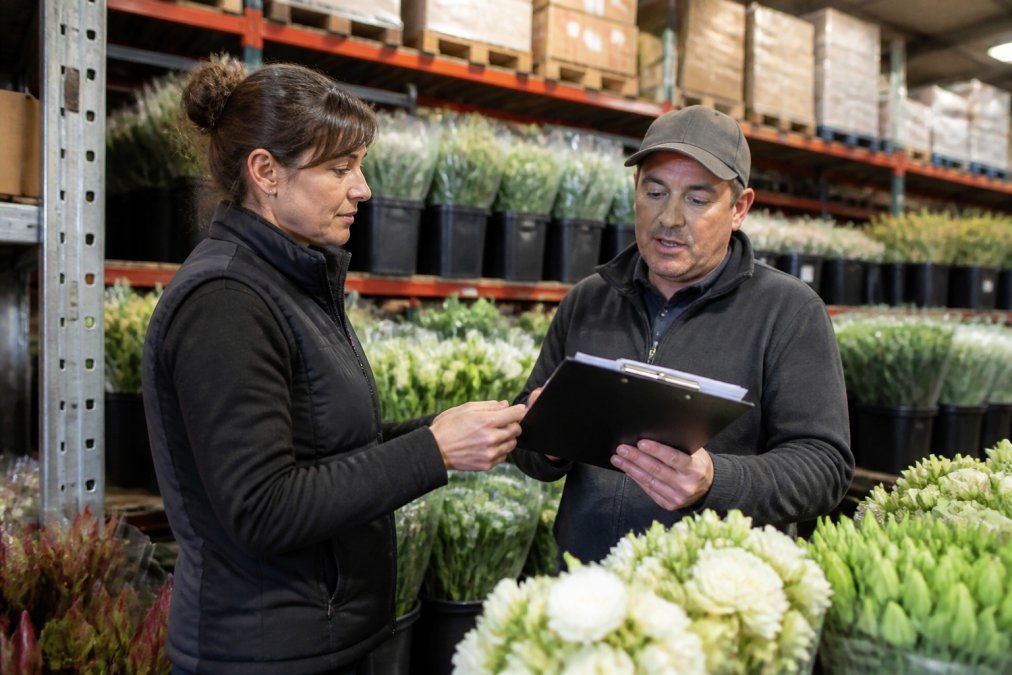
Ask about pesticide and chemical protocols. How many applications per season? Are banned substances avoided? Request specifics on integrated pest management practices.
Inquire about worker conditions and wages. Are workers paid living wages? Does the farm have third-party audits of labor practices?
Request information about water usage and conservation. How is water sourced? Are there runoff controls?
Ask about certifications. Do they hold Fair Trade certification, Rainforest Alliance status, or other third-party verifications?
How to Verify Flower Farm Certifications and Standards
Verification is where trust becomes measurable. Don't accept claims without proof.
Fair Trade certification indicates workers receive fair wages and work in safe conditions. Fair Trade USA's certification standards outline specific requirements for agricultural producers.
Rainforest Alliance certification focuses on environmental sustainability and social responsibility through rigorous third-party audits.
Organic certification means the farm avoids synthetic pesticides and fertilizers, though it doesn't guarantee ethical labor practices. USDA organic certification requirements define what "organic" means.
VeriFlora certification specifically addresses environmental and social criteria for cut flowers and plants.
Request audit reports. Ethical wholesalers should provide recent third-party audit results or summarize their compliance status.
Sustainable Floral Sourcing Practices That Matter
Sustainable sourcing encompasses how wholesalers manage inventory, reduce waste, and maintain cold chain management to minimize loss.
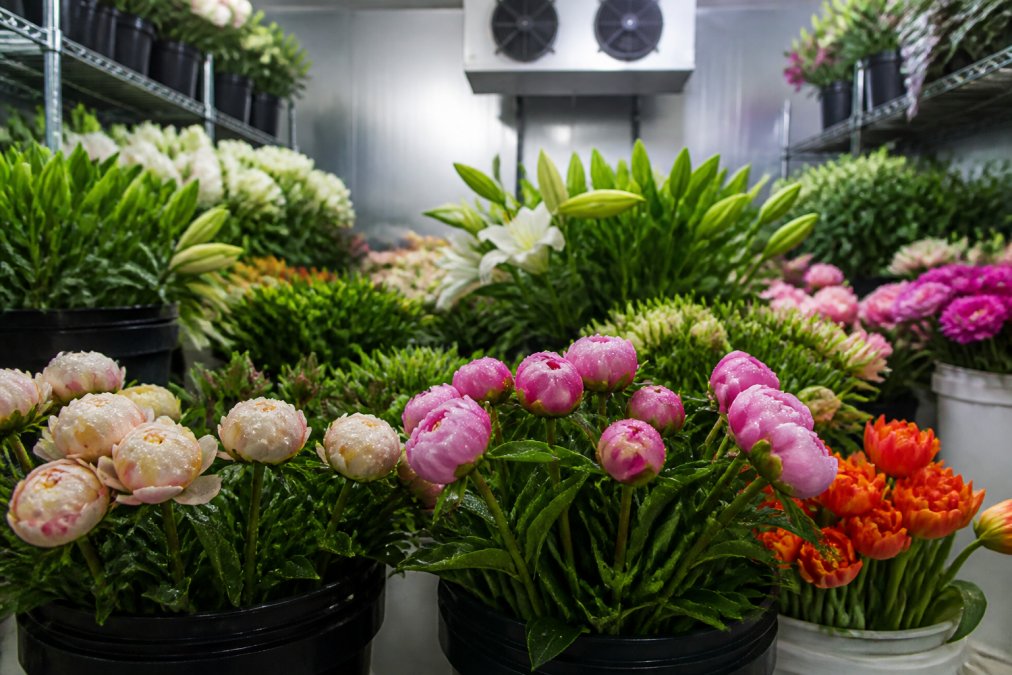
Cold chain management directly affects waste and quality. Flowers traveling in temperature-controlled conditions stay fresher longer. Ask wholesalers about refrigerated transport and transit times.
Seasonal sourcing reduces environmental impact. Wholesalers prioritizing local and seasonal blooms demonstrate genuine sustainability commitment. Environmental impact of floral logistics and transportation shows how sourcing decisions affect carbon emissions.
Inventory management practices reveal whether a wholesaler minimizes waste. Do they work with florists to match order quantities to realistic demand? Waste reduction is a practical sign of operational ethics.
Direct relationships with farms strengthen transparency. Some ethical wholesalers maintain direct grower relationships rather than working through multiple middlemen, improving traceability and reducing markups.
Request information about waste management. What happens to unsold flowers? Ethical wholesalers have deliberate waste-reduction strategies.
Choosing ethical floral wholesalers requires asking hard questions and verifying answers with documentation. Start by requesting certifications and audit reports, then ask about labor practices, chemical use, and supply chain transparency. Charmed Valley Farm supports florists and event hosts who prioritize ethical sourcing through our wholesale and bucket programs, offering fresh, high-quality blooms grown with genuine care for people and the planet. Ethical sourcing standards in floristry industry provide additional guidance on making informed sourcing decisions that align with your values.
Frequently Asked Questions
What certifications should I look for in an ethical floral wholesaler?
Look for certifications that verify fair labor practices, sustainable agriculture, and environmental responsibility. Common standards include Fair Trade certification, which ensures workers receive fair wages and safe conditions, and certifications from organizations that audit chemical usage and waste management. Ask wholesalers directly which third-party certifications they hold and request documentation. Transparency about certification status is itself a sign of an ethical wholesaler committed to accountability.
What's the difference between sustainable and ethical floral sourcing practices?
Sustainable floral sourcing focuses on environmental impact: reducing chemical inputs, managing water use, minimizing waste, and lowering the carbon footprint of logistics. Ethical sourcing addresses human impact: fair wages, safe working conditions, labor rights, and community benefit. An ethical floral wholesaler addresses both. When evaluating suppliers, ask about their approach to each, a wholesaler strong on sustainability but weak on labor verification is only partially responsible.
How do I verify the labor practices of a wholesale flower supplier?
Request specific information about worker wages, working hours, safety protocols, and union representation or grievance mechanisms. Ask if the wholesaler conducts regular audits of their farms or has third-party audits done. For direct farm relationships, ask to visit or request photos and documentation of working conditions. Reputable wholesalers welcome these conversations and can provide verifiable evidence. If a supplier avoids transparency on labor practices, that's a red flag.
This article was written using GrandRanker