
Table of Contents
- Why Local Flower Sourcing Matters for Florists
- Seasonal Flower Availability Calendar for Year-Round Design
- How to Extend Vase Life of Flowers from Local Growers
- Wholesale vs Local Flower Sourcing: Cost, Quality, and Supply Chain
Last Updated: August 28, 2026
Why Local Flower Sourcing Matters for Florists
Local flower sourcing delivers fresher blooms that last significantly longer than those shipped through wholesale networks (peer-reviewed research). Flowers arriving within hours of harvest have superior vase life compared to those traveling hundreds of miles (ucdavis.edu). Beyond freshness, you eliminate middleman markups and build predictable relationships with growers who understand your design needs and can reserve specific varieties during peak season.
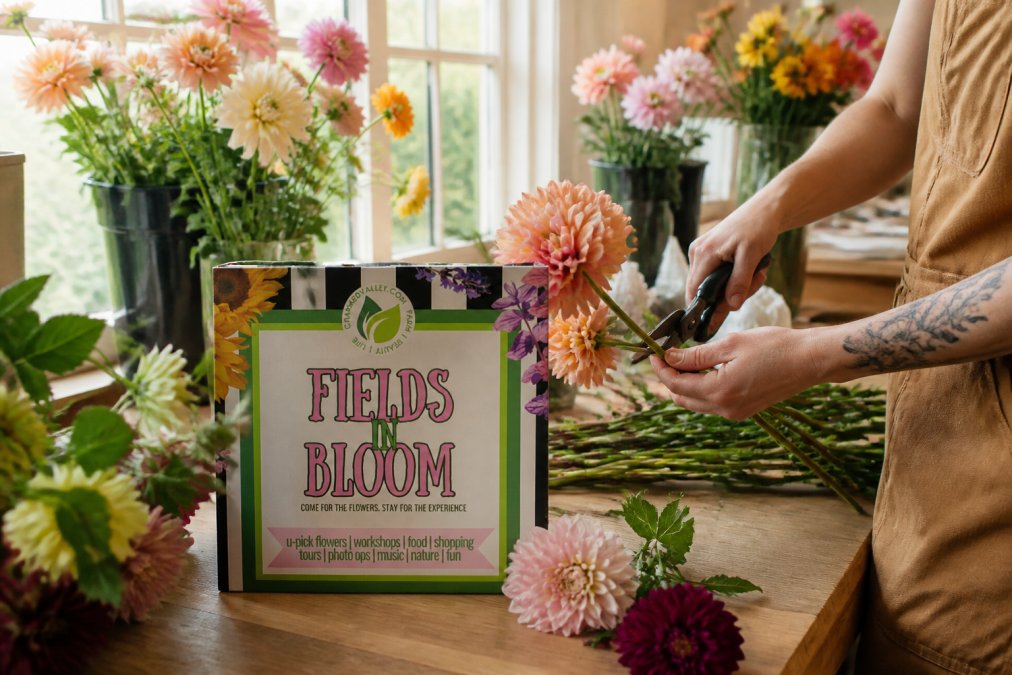
Direct relationships shift your entire business model. Instead of reactive ordering from a catalog, you plan seasonally around what's thriving in your region, creating designs that reflect real agricultural cycles. This approach reduces waste and gives you a competitive advantage, your arrangements feature blooms customers can't find elsewhere, with stories about where each flower came from.
Seasonal Flower Availability Calendar for Year-Round Design
Spring (March-May) brings tulips, snapdragons, and ranunculus, with late spring transitioning into early summer peonies that command premium pricing but deliver unmatched volume and longevity.
Summer (June-August) is peak dahlia and zinnia season, prolific, long-lasting workhorse flowers in stunning color ranges. Local growers often have varieties unavailable through wholesale channels.
Fall (September-November) shifts toward deeper tones with dahlias continuing through October, plus asters, solidago, hypericum berries, and chrysanthemums suited to the seasonal palette.
Winter (December-February) is the tightest season. Many growers are dormant, but amaryllis, hellebores, and forced branches become available. Some florists preserve dried flowers from fall harvest specifically for winter design work.
How to Extend Vase Life of Flowers from Local Growers
Local flowers have an advantage: minimal time in cold chain logistics means active vascular systems. Start with clean water and a clean vase, using floral preservative containing sugars and biocides. Change water every two to three days and re-cut stems at a 45-degree angle under running water (the FDA).
Remove any foliage below the waterline, submerged leaves decompose and create bacterial colonies that block water uptake. Keep arrangements away from direct sunlight, heat sources, and ripening fruit. Cool room temperatures (35-40°F) slow metabolism and extend bloom time.
Understand variety-specific needs: dahlias and zinnias are forgiving, while snapdragons and tulips need cool conditions. Ranunculus flowers open over several days, so design them two days in advance for full bloom at events.
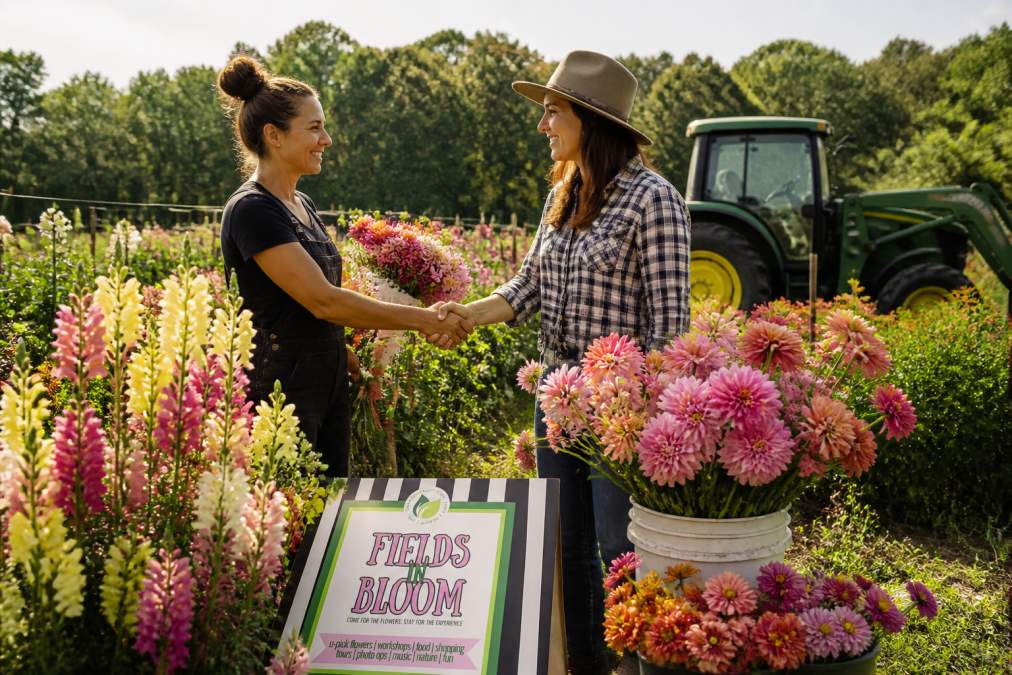
Wholesale vs Local Flower Sourcing: Cost, Quality, and Supply Chain
Wholesale offers consistency and lower per-stem costs through volume and standardization. Local sourcing costs more per stem upfront but flowers last longer, reducing customer complaints. You also capture the margin that wholesale distribution would take.
The real difference emerges in design flexibility and storytelling. Wholesale forces you to work with catalog availability. Local sourcing lets you request specific colors, stem counts, and experimental varieties while building marketing around the source.
A hybrid approach works best: wholesale for commodity flowers (greenery, filler) and local sourcing for premium focal flowers (dahlias, peonies, specialty varieties). This balances cost control with quality and margin benefits.
Tips for Working with Local Flower Farmers
Visit farms during growing season to see what they grow and discuss your design needs. Communicate your volume honestly, growers appreciate understanding your constraints and prefer knowing you're small and growing.
Pay on time to build trust and earn better pricing or first access to limited varieties. Some growers offer bucket programs with weekly or monthly fees for standing orders of seasonal flowers.
Understand their growing calendar so you can plan design work around actual availability. Develop a backup relationship with at least one other grower to handle shortages and create friendly competition.
Local flower sourcing requires more planning than wholesale ordering but delivers fresher blooms, stronger margins, and designs that stand apart. Start small with one grower for one season and build from there. At Charmed Valley Farm, we've built our wholesale and bucket programs specifically for florists ready to make this shift. Explore our seasonal flower offerings and join florists who've discovered that local sourcing isn't just better for arrangements, it's better for your business.

Frequently Asked Questions
What are the benefits of sourcing flowers from local farms?
Local flower sourcing offers fresher stems with longer vase life since flowers skip long supply chain logistics. You support the local economy, gain access to unique varieties like specialty dahlias and zinnias that wholesale distributors may not carry, and reduce carbon footprint from transportation. Many florists report customers notice the quality difference and appreciate the farm-to-vase story.
How do I find local flower farmers in my area?
Start by contacting your state's agricultural extension office or visiting farmers' markets where growers sell directly. Search online for 'cut flower farmers near me' and check farm directories. Join local florist associations and network with other designers who source locally. Many flower farmers build relationships through direct outreach to florists, so don't hesitate to call farms in your region and ask about wholesale or bucket programs.
What's the difference between wholesale vs local flower sourcing in terms of cost and consistency?
Wholesale distribution offers lower per-stem pricing and guaranteed volume, but flowers may arrive after days in cold chain storage. Local sourcing costs more per stem but delivers fresher product with better post-harvest handling. The trade-off: local growers may have seasonal gaps or crop failures requiring substitution plans. Building inventory management systems and establishing backup vendor relationships helps manage supply chain surprises while maintaining quality.
This article was written using GrandRanker