
Table of Contents
- Understanding the INCI List and Why It Matters
- The Descending Order Rule: Reading Concentration from Top to Bottom
- Decoding Chemical Names vs. Botanical Names on Labels
- Toxic Ingredients to Avoid in Skincare Products
- How to Identify Organic Beauty Products for Sensitive Skin
- Spotting Greenwashing: The 'Natural' Label Paradox
- Digital Tools and Apps for Scanning Ingredient Labels
- Your Step-by-Step Label Reading Process
- Frequently Asked Questions
Last Updated: September 20, 2026
Understanding the INCI List and Why It Matters
The INCI list is the ingredient declaration required on every beauty product sold in the United States. It tells you exactly what's inside that jar or bottle, listed in descending order by concentration. When you learn how to read ingredient labels on natural beauty products, you're essentially learning to decode the real story behind marketing claims.
What INCI Stands For
INCI stands for International Nomenclature of Cosmetic Ingredients. It's a standardized naming system that cosmetic manufacturers must use on product labels. Marketing departments can call a product "all-natural" or "botanical-infused," but the INCI list doesn't lie. A product might say "infused with rose extract," but the INCI list reveals whether that extract is a tiny amount buried at the end or a meaningful ingredient near the top.
Why the FDA Requires It
The Food and Drug Administration mandates INCI labeling under the Federal Food, Drug, and Cosmetic Act because consumers deserve transparency. This requirement protects you in two ways: you can identify ingredients you're allergic to or want to avoid, and you can spot greenwashing when companies make natural claims that the ingredient list doesn't support. At Charmed Valley Farm, we believe transparency is the foundation of trust. Our #Farm2Face philosophy means showing you exactly what goes into every product.
The Descending Order Rule: Reading Concentration from Top to Bottom
Ingredients are listed in descending order by concentration. The first ingredient makes up the largest percentage of the product; the last ingredients make up the smallest amounts. The top five ingredients matter most, they make up roughly 80% of the product. Everything after the fifth ingredient is often there in trace amounts.
This rule exposes greenwashing.
Decoding Chemical Names vs. Botanical Names on Labels
Natural and synthetic ingredients both appear on INCI lists, but they're named differently.
Toxic Ingredients to Avoid in Skincare Products
Certain ingredients are worth avoiding if you have sensitive skin or prefer a cleaner ingredient profile.
Parabens and Sulfates
Parabens (methylparaben, propylparaben, butylparaben) are preservatives that prevent mold and bacteria growth. Some people prefer to avoid them due to concerns about hormone disruption, though regulatory agencies consider them safe at typical concentrations.
Phthalates and Fragrance
Phthalates are chemicals used to make fragrances last longer and are often hidden under the single word "fragrance" on labels. If you want to avoid phthalates, look for products labeled "phthalate-free" or skip synthetic fragrance altogether.
How to Identify Organic Beauty Products for Sensitive Skin
Organic certification means ingredients were grown without synthetic pesticides or fertilizers. Look for third-party certifications like USDA Organic or ECOCERT to verify claims.
Recognizing Active vs. Inactive Ingredients
Active ingredients do the work. Retinol reduces fine lines. Vitamin C brightens. Hyaluronic acid hydrates. Active ingredients are listed separately and often have concentration percentages.
The 1% Rule and Preservatives
Ingredients appearing after roughly the 20th ingredient likely comprise less than 1% of the formula. Preservatives are necessary to prevent mold and bacteria growth. Common preservatives include phenoxyethanol, sodium benzoate, potassium sorbate, and citric acid. These aren't inherently harmful; they keep your product safe to use.
Spotting Greenwashing: The 'Natural' Label Paradox
The word "natural" on a label means almost nothing legally. The FDA does not have a strict definition for "natural" in cosmetics. Unlike "organic," which has USDA standards, "natural" is entirely unregulated. A product can contain 1% plant extract and 99% synthetic ingredients and still claim to be "natural" on the front label.
How Brands Exploit the 'Natural' Paradox
Front-of-package claims vs. INCI reality: A product might display "Rose-Infused Hydrating Serum" with rose imagery, but the INCI list reveals rose extract as the 8th ingredient (less than 2% concentration), while the first five ingredients are water, glycerin, dimethicone (a silicone), phenoxyethanol (synthetic preservative), and xanthan gum.
The Paradox: Natural Doesn't Always Mean Better
Some of the most effective skincare ingredients are synthetic, and some natural ingredients are irritating or unstable.
How to Read Past the 'Natural' Claim
-
Read the full INCI list, not the marketing copy. The INCI list is legally required to be complete and honest.
-
Check where botanical ingredients actually appear. If a product claims to be "rose-infused," find that ingredient in the INCI list. If it appears in the top five, it's meaningful. If it appears after the 10th ingredient, it's a trace amount.
-
Look for third-party certifications. USDA Organic certification means ingredients were grown without synthetic pesticides. These certifications cost money and require documentation, so brands that have them are more likely to be honest.
-
Watch for vague terms without definitions. "Clean," "pure," "natural," "botanical," and "plant-based" are marketing language, not regulatory categories.
-
Compare the ingredient list to the product's claims. If a product claims to be "all-natural" but the INCI list includes dimethicone, phenoxyethanol, sodium benzoate, and synthetic fragrance, the claim is false.
-
Understand that synthetic doesn't mean harmful, and natural doesn't mean safe. Match the formula to your skin type and sensitivities, not to chase a "natural" label.
Digital Tools and Apps for Scanning Ingredient Labels
Several third-party apps and databases let you scan product barcodes or search ingredient names to get instant breakdowns and safety flags. These tools are useful for quick research, but they have real limitations.
Popular Ingredient-Checking Apps and Databases
INCIDecoder is a free online database where you can search any ingredient by its INCI name. It shows you the ingredient's function, origin, and common uses. You can also upload a product photo or paste an INCI list, and the tool will decode the entire ingredient profile.
How These Tools Work and What They Can't Do
What they do well:
- Decode INCI names into plain language
- Flag common allergens and irritants
- Show ingredient concentration order
- Suggest alternative products with similar benefits
- Provide quick reference without memorizing INCI nomenclature
What they can't do:
- Replace reading the actual product label. Apps sometimes have outdated or incomplete ingredient lists.
- Account for your individual skin chemistry. An ingredient flagged as an irritant might work fine for your skin.
- Evaluate ingredient interactions.
- Assess concentration percentages accurately. Apps show order but can't tell you exact percentages unless the brand discloses them.
- Replace professional advice. Consult a dermatologist if you have a skin condition or take medications that interact with skincare ingredients.
The Limitation of Safety Ratings
Different apps use different rating systems and don't always agree. This happens because they pull from different toxicology databases, use different risk thresholds, and can't always account for concentration levels.
Best Practices for Using These Tools
Use apps as a starting point, not the final word. If an app flags an ingredient as concerning, research it further.
Free vs. Paid: What's Worth the Investment
Most ingredient-checking apps offer free versions with basic functionality. Paid versions typically unlock personalized recommendations, detailed interaction warnings, offline access, and ad-free browsing. For most people, the free versions of INCIDecoder, EWG Skin Deep, and Yuka are sufficient.
Your Step-by-Step Label Reading Process
Learning how to read ingredient labels on natural beauty products becomes easier with practice.
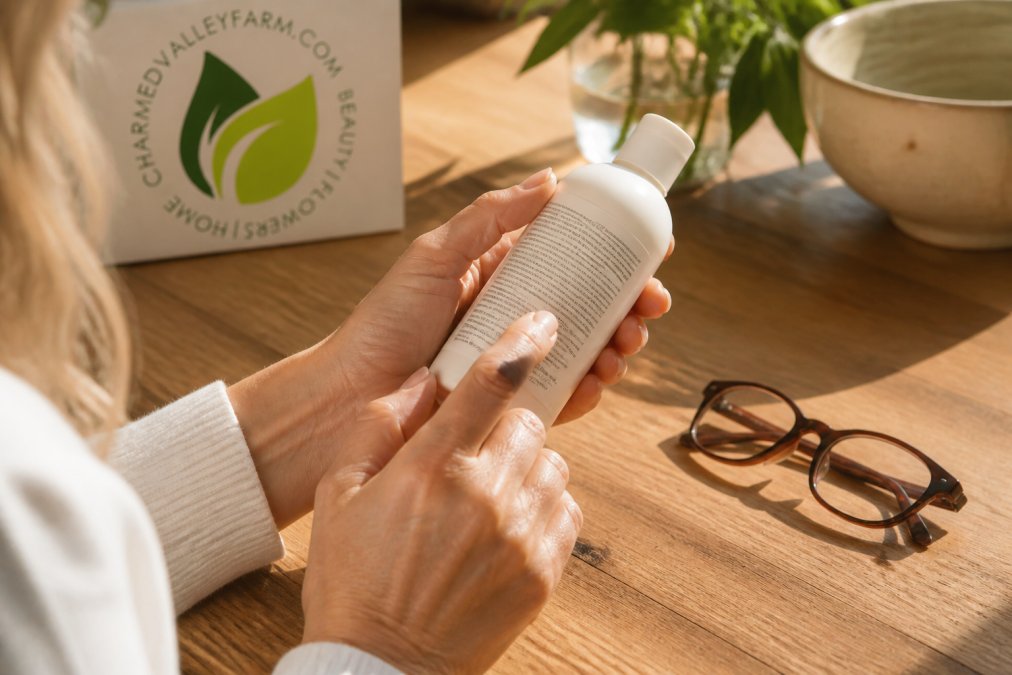
Step 1: Start with the INCI List
Find the ingredient list on the back or bottom of the product. Read the first five ingredients. These make up most of the product. Ask yourself: Do these match the product's claims?
Step 2: Identify the First Five Ingredients
The first ingredient is usually water (aqua) in creams and lotions. The second through fifth ingredients reveal the product's real purpose. A serum might have a botanical oil as the second ingredient, indicating it's oil-based. A cream might have glycerin or a butter, indicating hydration and richness.
Step 3: Look for Allergens and Known Irritants
Scan the full list for ingredients you know irritate your skin. If you're sensitive to fragrance, look for "fragrance," "parfum," or essential oils. If you avoid parabens, look for any paraben name.
Step 4: Check for Third-Party Certifications
Look for certifications on the packaging. USDA Organic, ECOCERT, and similar marks indicate third-party verification. Be skeptical of unverified claims. A certification shows the company invested in verification.
Frequently Asked Questions
What are the most toxic ingredients to avoid in skincare products?
Common toxic ingredients include parabens (preservatives linked to hormone disruption), sulfates (harsh cleansers that strip skin), phthalates (plasticizers often hidden under 'fragrance'), and synthetic fragrances. Other concerning ingredients are formaldehyde releasers, lead acetate, and coal tar dyes. Always check the INCI list for these names, especially in the first ten ingredients where concentration is highest. For sensitive skin, avoiding these preservatives and synthetic additives reduces irritation risk significantly.
How do I identify organic beauty products for sensitive skin?
Look for third-party certifications like USDA Organic or NSF/ANSI 305 on the label, not just the word 'organic' in marketing copy. Check the INCI list for botanical extracts and natural emulsifiers instead of synthetic surfactants. Prioritize products with fewer ingredients overall, as this reduces allergen exposure. For sensitive skin, avoid fragrance (even 'natural' fragrance), parabens, and sulfates. Products with a low pH balance and hypoallergenic claims are better choices. Always patch-test first, as even natural ingredients can trigger reactions in reactive skin.
Why are some ingredient names on labels so difficult to pronounce?
Most cosmetic ingredients use INCI nomenclature, the standardized chemical naming system required by the FDA. Botanical ingredients have Latin scientific names (like Rosa damascena for rose), while synthetic preservatives and emulsifiers have chemical names that reflect their molecular structure. This standardization ensures consistency across brands and countries. While hard to pronounce, these names are precise and prevent confusion. Many 'natural' ingredients have both a botanical name and a chemical name on the label, they're the same ingredient, just described differently.
What's the difference between 'natural' and 'organic' on beauty labels?
'Natural' has no legal definition for cosmetics and is largely marketing language. A product can claim 'natural' while containing synthetic preservatives or refined ingredients. 'Organic' is regulated by the USDA for products with at least 95% certified organic ingredients, though cosmetics fall into a gray area with less oversight than food. Check for USDA Organic certification seals to verify legitimacy. Many brands use 'natural' to suggest purity while still including conventional preservatives, always verify with the INCI list rather than trusting label claims alone.