
Table of Contents
- What "Organic" and "Nontoxic" Actually Mean on a Cleanser Label
- How to Choose a Cleanser for Sensitive Skin: 5 Screening Criteria
- Quick Comparison: Our Organic Cleansers and Cleansing Routine
- 1. Flower Water Face Toner: The Post-Cleanse Calming Step
- 2. Flower Oil Face Serum: Rebuilding the Skin Barrier After Washing
- 3. Flower Face Duo and Spa Box: Bundled Options for a Full Routine
- Organic Facial Cleanser for Sensitive Skin: What to Look For
- Gentle Cleanser for Rosacea-Prone Skin: Reducing Redness and Irritation
- Frequently Asked Questions
Last Updated: October 17, 2026
What "Organic" and "Nontoxic" Actually Mean on a Cleanser Label
"Organic" on a cleanser label means ingredients grown without synthetic pesticides, not that the formula is gentle.
"Nontoxic" has no legal definition in cosmetics, and "natural" has no enforcement behind it. Neither term tells you whether a product will calm your skin or inflame it.
- Organic: Grown or produced without synthetic pesticides and fertilizers. In skincare, this usually refers to botanical ingredients, not the whole formula.
- Natural: Derived from plants, minerals, or other living sources. A natural ingredient can still irritate reactive skin.
- Nontoxic: A marketing term with no regulatory standard. Treat it as a claim to verify, not a guarantee.
The FDA's guidance on cosmetics labeling confirms that terms like "natural" carry no official definition for personal care products.
How to Choose a Cleanser for Sensitive Skin: 5 Screening Criteria
Choosing a cleanser for sensitive skin comes down to five checks: surfactant type, fragrance, preservatives, pH, and ingredient count. The difference between calming and provoking reactive skin usually comes down to two or three lines on the ingredient list, not the front label.
- Surfactant type. Mild surfactants clean without stripping. Look for glucosides (decyl glucoside, coco-glucoside), amino-acid surfactants (sodium cocoyl glycinate, sodium lauroyl methyl isethionate), and amphoteric agents like cocamidopropyl betaine. Harsher sulfates such as SLS and, to a lesser degree, SLES can leave reactive skin tight and red. Foaming formulas tend to rely on stronger surfactants; cream and gel cleansers lean on gentler ones.
- Fragrance and essential oils. Fragrance is a leading cause of contact irritation. Watch for "fragrance" or "parfum," plus essential oils such as lavender, citrus peel oils, peppermint, eucalyptus, and rose geranium. Botanical does not mean gentle: limonene and linalool are recognized fragrance allergens and may appear separately on the ingredient list.
- Preservatives. Some preservatives trigger reactions in sensitive users, particularly formaldehyde releasers (DMDM hydantoin, diazolidinyl urea) and methylisothiazolinone. Phenoxyethanol and sodium benzoate are common alternatives that many reactive-skin users tolerate, though individual triggers vary.
- pH balance. Healthy skin sits slightly acidic, roughly pH 4.5 to 5.5. A cleanser far outside that range, especially an alkaline bar soap near pH 9 or 10, can disrupt the skin barrier and leave skin feeling tight. Check the brand's site or ask customer service if the pH is not listed.
- Ingredient count. Shorter formulas mean fewer chances for a reaction. This is a rule of thumb, not a hard law: a 30-ingredient formula built around mild surfactants can beat a 10-ingredient formula loaded with essential oils.
Ingredient Screening: What Reactive Skin Should Avoid
Reactive skin should avoid synthetic fragrance, drying alcohols, harsh sulfates, and heavy essential oil loads, the most common triggers behind stinging, tightness, and redness after washing. Treat this as a screening checklist, not a guarantee.
- Synthetic fragrance and dyes: Frequent irritants, especially on compromised skin. Fragrance appears on labels as "fragrance," "parfum," or as individual aroma compounds.
- Drying alcohols: Denatured alcohol (alcohol denat.), SD alcohol, and isopropyl alcohol can leave skin tight. Fatty alcohols such as cetyl and stearyl alcohol are different and are generally not drying.
- Harsh sulfates: SLS and, for some users, SLES are strong surfactants that can strip the skin barrier.
- High essential oil concentrations: Botanical does not always mean gentle. Essential oils high in limonene, linalool, and citral are the usual suspects.
A practical screening method: copy the full ingredient list into a note, highlight anything on the avoid list, and count. Two or more is a reason to patch test carefully or choose a different product; one in an otherwise mild formula is a judgment call.
How to Recognize Over-Cleansing
A compromised skin barrier often announces itself through the cleansing routine: tightness lasting more than a few minutes after washing, stinging from a moisturizer that used to feel neutral, flaking around the nose and mouth, and redness that appears right after cleansing and fades slowly.
If those signs show up, the fix is usually simpler than a new product: cleanse once daily with lukewarm water and a mild, fragrance-free wash, rinse with water only in the morning, and moisturize immediately while skin is still damp.
Quick Comparison: Our Organic Cleansers and Cleansing Routine
Our Flower Face Skincare line pairs a post-cleanse toner with a barrier-supporting serum, and the bundles save you money.
| Product | Price | What It Does | Best For |
|---|---|---|---|
| Flower Water Face Toner | $45.00 | Clarifies, balances, hydrates after washing | Post-cleanse calming step |
| Flower Oil Face Serum | $45.00 | Hydrates and supports the skin barrier | Nightly barrier repair |
| Flower Face Duo | $85.00 | Toner plus serum bundle | A simple two-step routine |
| Flower Face Spa Box | $99.00 | Toner, serum, hairband, rose quartz stone | A full at-home ritual |
A gentle routine: cleanse with a mild, fragrance-free wash, spritz the toner on damp skin, then press the serum in while skin is still damp. Applying oil-based serum to damp skin locks in moisture and supports a compromised barrier.

1. Flower Water Face Toner: The Post-Cleanse Calming Step
Our Flower Water Face Toner is a small-batch hydrosol distilled with traces of lavender, clary sage, amaranth, yarrow, and honeysuckle essential oils.
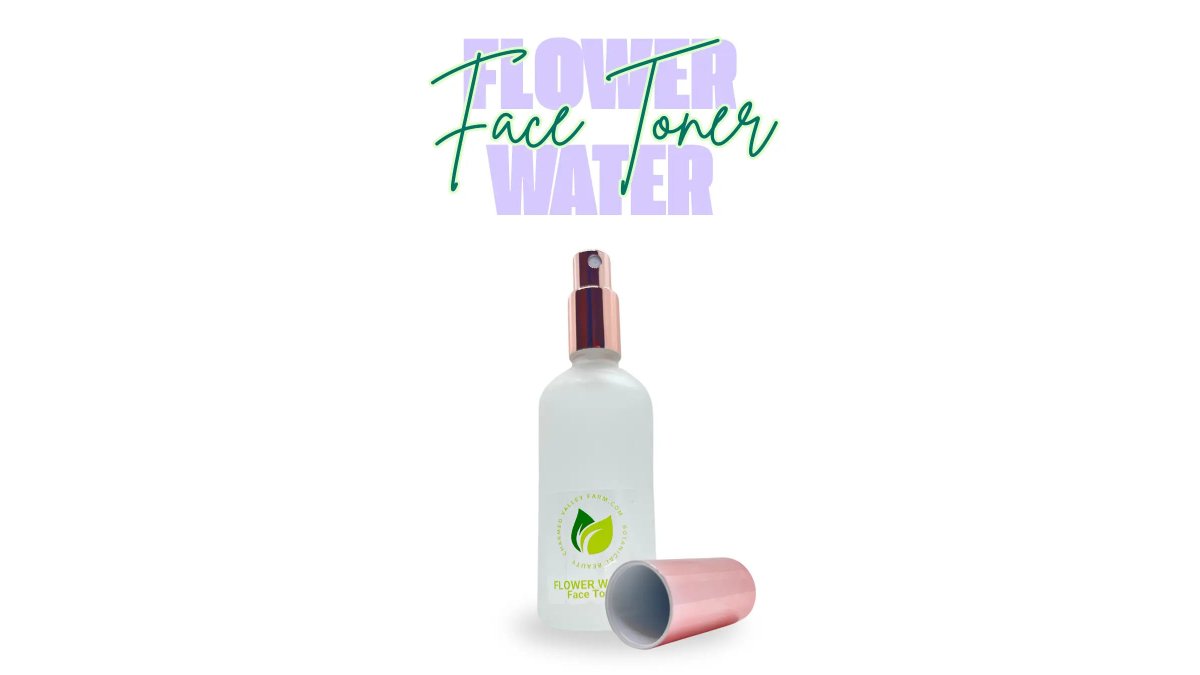
Reactive skin often feels tight right after washing. A hydrating toner spritzed onto damp skin soothes that tightness and prepares skin for serum.
A note on honesty: this toner contains essential oils. If your skin reacts to fragrance or botanicals, patch test first and introduce it gradually.
2. Flower Oil Face Serum: Rebuilding the Skin Barrier After Washing
Our Flower Oil Face Serum is a cold-pressed sunflower oil blend infused with rosehips, raspberry leaves, and rose geranium, available in Original and a Unisex version with lemon balm.

A compromised skin barrier loses moisture and lets irritants in. An oil-based serum pressed onto damp skin seals in hydration and calms post-wash tightness.
The formula uses organic, chemical-free cold-pressed sunflower oil with no added chemicals or fillers. For reactive skin, that short ingredient list is the point.
3. Flower Face Duo and Spa Box: Bundled Options for a Full Routine
The Flower Face Duo combines the toner and serum for $85.00, saving you money over buying each separately.

Bundles make sense if you are building a routine from scratch. The Duo covers the essential two steps: spritz, then press in serum.
- Flower Face Duo ($85.00): Toner plus serum, the core two-step routine.
- Flower Face Spa Box ($99.00): Toner, serum, hairband, and gua sha stone with instructions.
If you are new to botanical skincare, start with the Duo. Add the Spa Box when you want the ritual, not just the routine.
Organic Facial Cleanser for Sensitive Skin: What to Look For
An organic facial cleanser for sensitive skin should be fragrance-free or low-fragrance, use mild surfactants, and keep the ingredient list short. Those three traits do more for reactive skin than any "organic" seal.
When you shop, read the full ingredient list, not the front label. Look for gentle cleansing agents, skip drying alcohols, and favor fewer botanicals if your skin is highly reactive.
The American Academy of Dermatology's guidance on sensitive skin care echoes this: gentle, fragrance-free cleansing and consistent moisturizing are the foundation for reactive skin. Build that base first, then add botanical steps like a toner or serum.
Gentle Cleanser for Rosacea-Prone Skin: Reducing Redness and Irritation
A gentle cleanser for rosacea-prone skin should calm rather than stimulate, using mild surfactants and no fragrance. The goal is to reduce irritation, not chase a deep clean, and the habits around the cleanser matter just as much.
Wash with lukewarm water, never hot, and pat skin dry instead of rubbing. Keep the routine short: a mild, fragrance-free cleanser, moisturizer on damp skin, and a mineral sunscreen in the morning.
Reactive Skin Versus a Diagnosed Skin Condition
Reactive skin is not the same as a diagnosed skin condition. Reactive skin describes how skin behaves: it stings, tightens, or reddens in response to products, weather, or friction.
See a dermatologist rather than changing products again if you notice any of the following:
- Persistent redness, flushing, or visible blood vessels that do not settle between flares
- Bumps, pustules, or thickening skin, especially across the nose and cheeks
- Burning, stinging, or itching that continues after you stop the suspected product
- A rash that spreads, weeps, or does not improve within a week or two
Our products are designed to be gentle, but they are not a treatment for rosacea or any medical condition. The National Rosacea Society's skincare tips recommends gentle cleansing and avoiding triggers as core habits for rosacea-prone skin.
Patch Testing and Gradual Introduction: A Repeatable Method
Patch testing is the cheapest way to find out whether a cleanser suits reactive skin before it touches your whole face. Use the same method every time so results are comparable.
- Choose a test site. The inner forearm or behind the ear is standard. Use the same site for each new product.
- Apply a small amount. Use about the size of a pea, undiluted, and leave it on for 24 hours without washing the spot.
- Check at 24 and 48 hours. Look for redness, swelling, itching, or stinging. A reaction that appears and fades within an hour is different from one that persists.
- Do a use test. If the patch is clear, use the cleanser every other day for the first week, then daily if skin stays calm. Rinse thoroughly and follow with moisturizer.
- Introduce one product at a time. Wait at least one to two weeks before adding another new product, so you know which one caused a reaction if one appears.
The American Academy of Dermatology's guidance on sensitive skin care echoes this: gentle, fragrance-free cleansing and consistent moisturizing are the foundation for reactive skin. Build that base first, then add botanical steps like a toner or serum.
Frequently Asked Questions
What is the best organic facial cleanser for sensitive skin?
There is no single best formula for everyone, but the safest picks share a few traits: short ingredient lists, no added fragrance, and plant-based oils instead of harsh surfactants. For reactive skin, look for cleansers built around cold-pressed botanical oils or gentle gel formulas. Charmed Valley Farm's Flower Face routine pairs a distilled flower water toner with an organic cold-pressed sunflower oil serum, both free of added chemicals and fillers, giving sensitive skin a simple two-step option at $45 each.
Which ingredients should people with reactive skin avoid in a cleanser?
Watch for added fragrance and essential oils high on the ingredient list, sulfates like SLS and SLES, alcohol denat, and preservatives such as methylisothiazolinone. These are common triggers for redness, stinging, and barrier disruption. Also skip physical scrubs with jagged particles. Instead, favor fragrance-free or low-fragrance formulas, short ingredient lists, and plant-based oils like sunflower and rosehip. If a label lists dozens of botanicals, patch test first, since more plant extracts means more chances of a reaction.
How often should you cleanse reactive skin?
Most reactive skin does best with cleansing twice a day at most, and once is enough for very dry or irritated skin in the morning. Use lukewarm water, never hot, and keep your hands gentle, no scrubbing or washcloths. If your skin stings after washing, cut back to once daily and follow immediately with a hydrating toner and a barrier-supporting oil or moisturizer while skin is still damp. Consistency matters more than frequency for calming reactive skin over time.
Are fragrance-free cleansers better for sensitive skin?
For most reactive skin, yes. Fragrance is one of the most common causes of contact irritation and allergic reactions in skincare, and it is often added to make a product smell pleasant rather than to benefit the skin. Fragrance-free formulas reduce one major variable. That said, some botanical ingredients naturally contain aromatic compounds, so check the full ingredient list. If you want a scented product, patch test on your inner arm for a few days before using it on your face.