
Table of Contents
- Why Blueberries Matter for Skin Health
- Anthocyanins and Antioxidants: How Blueberries Protect Skin Cells
- Blueberries for Glowing Skin: Inflammation and Barrier Function
- Collagen Protection and Fine Lines: What the Research Shows
- Blueberry Extract Benefits for Skin: Topical vs. Oral
- How to Use Blueberry Face Masks and Skincare Products
- Blueberry Supplementation and Skin Health: Practical Guidance
- Realistic Timelines, Safety, and Who Should Use Caution
- Frequently Asked Questions
Last Updated: October 4, 2026
Why Blueberries Matter for Skin Health
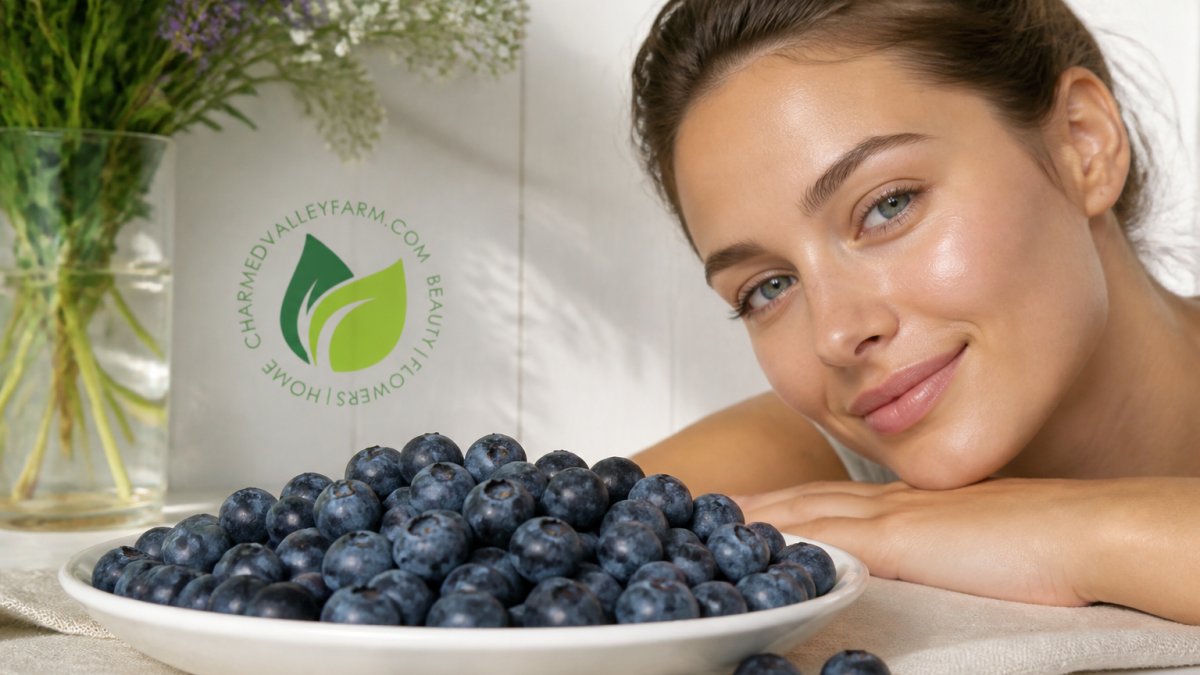
Blueberries aren't just a superfood for your gut, they're one of nature's most potent allies for skin health. At Charmed Valley Farm, we've long understood that blueberry benefits for skin extend far beyond what most topical treatments can achieve. The secret lies in the plant compounds locked inside those tiny berries, compounds that protect skin cells from the inside out and from the surface in.
When you think about what damages skin, oxidative stress and inflammation top the list. Environmental stressors, UV exposure, and aging all accelerate the breakdown of skin's protective barrier and collagen structure. Blueberries contain bioactive compounds that directly counter these processes.
The real question isn't whether blueberries help skin, it's how to use them effectively and what realistic results to expect. Some people see improvements in skin texture and brightness within weeks of adding blueberries to their diet. Others benefit more from topical application. Most get the best results from combining both approaches.
Anthocyanins and Antioxidants: How Blueberries Protect Skin Cells
Anthocyanins are the pigments that give blueberries their deep blue color, and they're also the compounds doing most of the heavy lifting for skin health. These polyphenols are powerful antioxidants that neutralize free radicals, unstable molecules that damage skin cells and accelerate aging. When your skin is exposed to UV rays, pollution, or stress, free radicals multiply rapidly.
What makes anthocyanins special is their bioavailability. Unlike some antioxidants that your body struggles to absorb, anthocyanins are readily taken up by skin cells. They accumulate in the skin and provide ongoing protection against oxidative stress. This is why eating blueberries regularly tends to show cumulative benefits, you're building up a reserve of these protective compounds over time.
Beyond anthocyanins, blueberries contain vitamin C, vitamin E, and other polyphenols that work synergistically. Vitamin C brightens skin and supports collagen synthesis. Vitamin E protects cell membranes from oxidative damage. Together, these compounds create a multi-layered defense against aging and environmental damage. The fiber in blueberries also supports digestive health, which indirectly benefits skin by improving nutrient absorption and reducing systemic inflammation.
Blueberries for Glowing Skin: Inflammation and Barrier Function
Inflammation is the root cause of many skin concerns: redness, sensitivity, acne, and accelerated aging all involve inflammatory responses in the skin. Blueberries contain compounds that suppress inflammatory pathways without the side effects of topical steroids or oral medications. Anthocyanins and other polyphenols inhibit inflammatory cytokines, the signaling molecules that trigger skin inflammation.
When your skin's barrier is compromised, moisture escapes and irritants penetrate more easily. A weakened barrier looks dull, feels tight, and becomes reactive to products that normally wouldn't cause problems.
The result is skin that looks more even-toned, feels less reactive, and maintains hydration better. Women with sensitive, mature skin often report that adding blueberries to their diet reduces redness and improves overall skin appearance within 4-6 weeks. This isn't a dramatic transformation, but it's noticeable and sustainable.
Topical application amplifies this effect. When you apply blueberry extract directly to skin, the antioxidants work immediately to calm inflammation and protect against environmental stressors. This is why our Flower Face Skincare line, which incorporates botanical extracts, addresses both inflammation and hydration, two pillars of healthy, glowing skin.
Collagen Protection and Fine Lines: What the Research Shows
Collagen is the protein that gives skin its structure, firmness, and elasticity. As we age, collagen breaks down faster than the body can replace it. This is why fine lines and loss of firmness accelerate after 40. UV exposure and oxidative stress accelerate collagen breakdown even further.
Blueberries protect collagen in two ways. First, their antioxidants reduce free radical damage that degrades collagen fibers. Second, some of the compounds in blueberries (particularly certain polyphenols) may support collagen synthesis by protecting fibroblasts, the cells that produce collagen.
Fine lines don't disappear from blueberries alone. Realistic expectations matter here. What you can expect is slower progression of fine lines, improved skin texture, and better skin hydration, all of which make fine lines less visible. Combined with sunscreen, retinoids, and other proven anti-aging strategies, blueberries provide meaningful support.
The skin matrix, the network of collagen, elastin, and other proteins that holds skin together, benefits from the anti-inflammatory and antioxidant effects of blueberries. Reduced inflammation means less enzymatic breakdown of collagen. Better protection from oxidative stress means the collagen that's there stays intact longer.
Blueberry Extract Benefits for Skin: Topical vs. Oral
This is where most guides oversimplify. Eating blueberries and applying blueberry extract are not interchangeable, they work through different mechanisms and produce different results. Both are valuable, but for different reasons.
Oral consumption (eating fresh blueberries or taking blueberry supplements):
- Delivers anthocyanins and other bioactive compounds systemically
- Supports skin health from the inside by reducing systemic inflammation
- Takes 2-4 weeks of consistent consumption to show visible results
- Benefits extend beyond skin: cardiovascular health, cognitive function, digestive health
- Most practical for long-term skin maintenance
Topical application (blueberry extract in serums, masks, or toners):
- Delivers antioxidants directly to skin cells
- Provides immediate protection against environmental stressors
- Shows visible effects (reduced redness, improved brightness) within days
- Works best when combined with a good moisturizer or hydrating serum
- Ideal for addressing acute skin concerns like irritation or dullness
The evidence supports using both. Oral blueberry consumption provides foundational support for skin health. Topical application addresses immediate concerns and provides targeted antioxidant protection. This combination approach, what we practice at Charmed Valley Farm with our blueberry benefits for skin philosophy, delivers more consistent results than either method alone.
Our Flower Face line, formulated with organic botanical extracts and cold-pressed oils infused with rosehips and raspberry leaves, works synergistically with dietary blueberries. The products deliver potent botanical antioxidants directly to skin, while blueberries you eat support skin health systemically. Used together, they create a comprehensive approach to protecting and rejuvenating skin.

How to Use Blueberry Face Masks and Skincare Products
Fresh blueberry masks are simple to make at home. Mash a small handful of fresh blueberries and mix with honey or plain yogurt to create a paste. Apply to clean skin for 10-15 minutes, then rinse with lukewarm water.
For best results with a blueberry mask, use one 1-2 times per week. More frequent application isn't necessary and can over-dry skin. If you have sensitive skin, do a patch test first, while blueberries are generally gentle, the anthocyanins can occasionally cause mild irritation in reactive skin types.
Blueberry extract in commercial skincare products offers convenience and consistency. Look for products where blueberry extract appears early in the ingredient list, indicating a meaningful concentration. Apply these products as directed, most serums and toners are used daily, either morning or evening.
The Flower Face Skincare collection provides botanical approaches to skin health, using distilled floral essences and cold-pressed oils that deliver similar antioxidant and anti-inflammatory benefits through complementary plant compounds. Whether you choose blueberry-based products or complementary botanical formulations, consistency matters more than the specific ingredient.
Blueberry Supplementation and Skin Health: Practical Guidance
If you're not eating fresh blueberries regularly, supplementation is a practical alternative. Blueberry powder, freeze-dried blueberries, and blueberry extract capsules all deliver the bioactive compounds you're after. The question is which form works best.
Fresh blueberries are ideal because they contain the full spectrum of compounds, plus fiber for digestive health. A typical serving is about one cup daily.
Blueberry extract supplements are concentrated and convenient, but they're missing the fiber and some of the less-stable compounds that fresh berries contain. They're still effective for skin health, but they're best viewed as a complement to eating actual blueberries rather than a replacement.
Realistic timelines matter. Expect to see noticeable improvements in skin appearance after 4-6 weeks of consistent blueberry consumption. Some people see results faster; others take longer. Factors like overall diet, sun exposure, stress, and genetics all influence how quickly your skin responds. Patience is required.
A practical approach: eat fresh blueberries when they're in season and affordable. During off-season, switch to frozen blueberries or powder. Combine any of these with topical botanical skincare products for faster, more visible results.
Realistic Timelines, Safety, and Who Should Use Caution
Blueberries are among the safest foods and skincare ingredients available. Allergies are rare, and side effects from eating blueberries are minimal. That said, a few considerations apply.
Who should exercise caution:
- People with blueberry allergies (rare but possible; symptoms include itching or swelling of lips/mouth)
- Those taking blood-thinning medications (blueberries contain compounds that may interact, though the effect is usually mild)
- Individuals with very sensitive skin using high-concentration blueberry extracts (patch test first)
Most people can safely eat unlimited blueberries and use blueberry skincare products daily without concern.
For topical application, introduce blueberry products gradually if you have reactive skin. Start with 2-3 times per week and increase frequency as your skin adapts. If irritation occurs, reduce frequency or discontinue.
Realistic timelines for visible results: 2-4 weeks for dietary blueberries, 3-7 days for topical application. These are averages, your individual results may vary. Skin changes happen gradually.
Mature skin deserves support that respects its complexity. Our Flower Face Skincare collection combines organic botanical extracts with cold-pressed oils to deliver potent antioxidant protection, working beautifully alongside blueberries in your diet.
| Approach | Timeline | Effort | Best For |
|---|---|---|---|
| Fresh blueberries daily | 4-6 weeks | Low | Long-term skin health |
| Blueberry supplement | 4-6 weeks | Minimal | Consistency year-round |
| Topical blueberry mask | 3-7 days | Medium | Quick brightness boost |
| Botanical skincare (daily) | 2-3 weeks | Low | Ongoing antioxidant protection |
| Combined approach | 2-4 weeks | Medium | Fastest, most visible results |
According to research on anthocyanins and skin health, polyphenolic compounds in berries show measurable protective effects against UV-related skin damage.
Studies examining collagen protection and dietary antioxidants demonstrate that consistent consumption of high-antioxidant foods correlates with slower rates of collagen breakdown and improved skin elasticity measures over 12-week periods.
For those interested in the broader science of botanical skincare, the American Academy of Dermatology's guidance on natural ingredients provides evidence-based information on which plant compounds have demonstrated efficacy in clinical settings versus those marketed primarily on tradition.
Frequently Asked Questions
Can eating blueberries improve skin health?
Yes. Blueberries contain anthocyanins and polyphenols that act as antioxidants, helping reduce oxidative stress and inflammation linked to skin aging. When eaten regularly, they support skin health from within by protecting skin cells from free radicals and environmental stressors. However, results take time, most people notice visible improvements in skin texture and radiance after 8-12 weeks of consistent consumption, combined with sun protection and a balanced skincare routine.
How many blueberries a day for skin?
A serving of one-half to one cup of fresh blueberries daily provides meaningful amounts of anthocyanins and other bioactive compounds. This is roughly a small handful. For dried blueberries or supplements, follow the product label, as concentration varies. Consistency matters more than quantity, daily intake over weeks yields better results than occasional large amounts. Pair with other antioxidant-rich foods like leafy greens and citrus for broader nutritional support.
Is blueberry extract effective in skincare?
Blueberry extract in topical products can support skin health when formulated properly. Laboratory studies show anthocyanins penetrate skin and reduce inflammation, but real-world effectiveness depends on extract concentration, stability, and other ingredients in the formula. Products like the Flower Face Duo combine blueberry-adjacent botanicals (rosehips, raspberry leaves) with cold-pressed oils to deliver antioxidants and hydration. Results are best when used daily as part of a complete routine, not as a standalone solution.
Are blueberry skincare products good for sensitive skin?
Blueberry and botanical skincare products are generally well-tolerated by sensitive skin because they're anti-inflammatory and free from harsh chemicals. However, individual reactions vary, some people may be sensitive to specific botanicals or essential oils in the formula. Always patch-test new products on a small area first. Chemical-free, preservative-free formulas like those in the Flower Face line reduce the risk of irritation, but if you have known allergies to berries or specific plants, review ingredient lists carefully before use.