Table of Contents
- Step 1: Search for Local Flower Farms Near You
- Step 2: How to Vet Local Flower Growers for Quality and Sustainability
- Step 3: Explore Flower Farm CSA Programs and DIY Wedding Flower Buckets
- Frequently Asked Questions
Last Updated: September 10, 2026
Step 1: Search for Local Flower Farms Near You
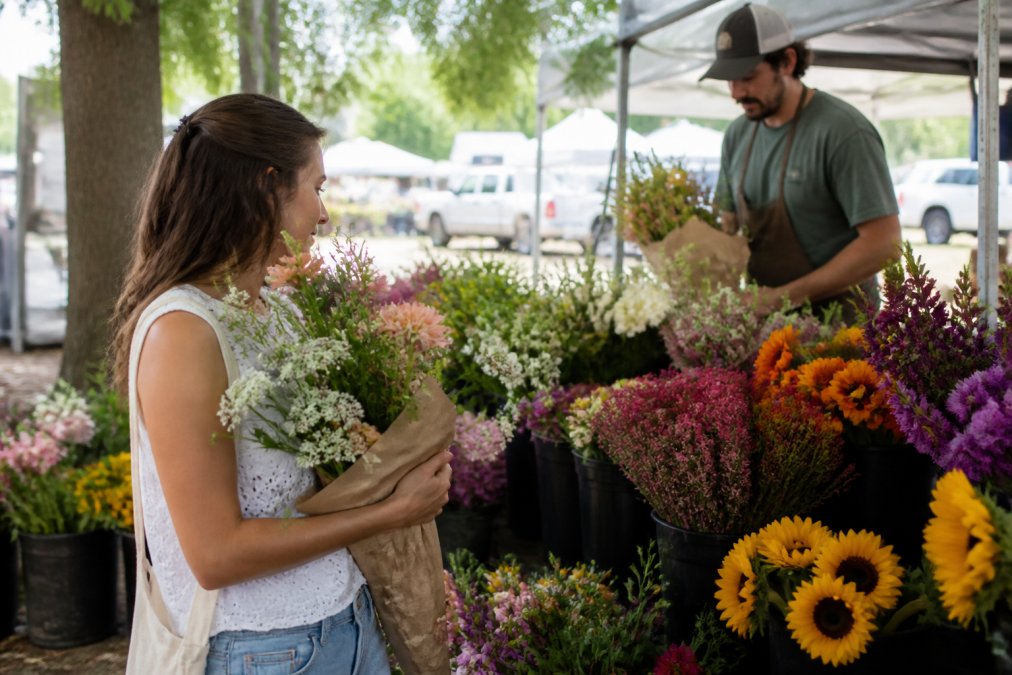
Finding reputable local flower farms starts with farmers market vendor lists, state agriculture grower directories, and regional flower farm trails (usda.gov). At Charmed Valley Farm, the best farms appear in multiple places because they're active in their communities.
Search systematically: your nearest farmers market's vendor page, your state agriculture department's cut flowers directory, regional flower farm trails, and social media. Ask florists and event planners who they buy from.
The USDA's local food directories can point you toward regional agriculture resources. A common mistake is only searching online. The best introductions often come from a florist, a market manager, or a neighbor who already buys farm-direct.
Step 2: How to Vet Local Flower Growers for Quality and Sustainability
Vetting local flower growers comes down to asking the right questions and inspecting the flowers. A reputable grower answers openly about growing practices, harvest timing, and post-harvest care.
Ask: Do you grow field-grown or greenhouse flowers, and which varieties? What organic practices do you follow, and are you chemical-free? How soon after harvest do flowers reach buyers? What does your post-harvest care look like? Can I visit the farm?
Freshness tells you more than any label: stems upright, leaves crisp, water clean. If a grower can't explain their harvest cycle, that's a warning sign.
Step 3: Explore Flower Farm CSA Programs and DIY Wedding Flower Buckets
Flower farm CSA programs and DIY wedding flower buckets are the two most practical ways to buy farm-direct in volume. A CSA (community supported agriculture) program is a prepaid subscription for a season of weekly or biweekly blooms; DIY wedding flower buckets are bulk harvests for self-arrangers (usda.gov).
Both reward planning: CSAs open for signup before bloom season, and DIY buckets need reserving weeks ahead so the grower can time the harvest.
| Option | Best For | Commitment | Planning Window |
|---|---|---|---|
| CSA subscription | Regular household blooms | Full season | Sign up pre-season |
| DIY wedding buckets | Self-arranged events | One-time | Weeks ahead |
| Wholesale account | Florists and businesses | Ongoing | Before bloom season |
| U-pick visit | Families and hobbyists | One afternoon | During bloom season |
For florists, wholesale differs from retail in volume, pricing, and consistency. Ask about a bucket program and how the grower handles a bad season.
Frequently Asked Questions
How can I verify if a flower farm uses sustainable practices?
Ask the grower directly about their farming methods. Look for farms that avoid synthetic pesticides, use organic soil amendments, and practice crop rotation. Request a farm tour to see their fields and greenhouses in person. Many reputable local flower farms are transparent about their growing practices and welcome visitors. You can also check if they participate in regional agriculture programs or hold certifications that verify their sustainable farming claims.
What is the difference between a flower farm and a wholesale florist?
A flower farm grows blooms in their own fields and sells directly to customers, florists, or event hosts. A wholesale florist buys flowers from various sources, often including imports, and resells them in bulk. Buying from a local flower farm means fresher stems, fewer miles traveled, and support for regional agriculture. Wholesale florists offer convenience and year-round variety, but farm-direct flowers usually last longer and reflect the local bloom season.
How do I find flower farms that offer DIY wedding flower buckets?
Search for local flower farms that advertise DIY wedding flower buckets or bucket programs. These offerings let you purchase bulk stems at a lower cost than arranged designs. Contact farms directly and ask about their bucket sizes, available flower varieties, and pickup or delivery options. Booking early is important, especially during peak bloom season. Some farms also provide guidance on conditioning and arranging your own blooms for the event.
Finding a flower farm you can trust takes a little legwork, but the payoff is fresher blooms and a real relationship with the people who grow them. Charmed Valley Farm offers a wholesale and bucket program for florists, hand-crafted designs, and chemical-free, organic growing rooted in our #Farm2Face philosophy. Whether you're sourcing for a wedding or signing up for a CSA, you deserve flowers grown with care. Get started with Charmed Valley Farm and bring farm-fresh beauty into your next event.