
Last Updated: November 1, 2026
Quick Summary
To host a wellness retreat at home, set one clear intention, pick a date with no obligations, and clear a single room or corner for your retreat space. Then follow a loose block schedule, choose two or three activities you'll actually do, and set a budget before you shop.
- A half-day retreat runs four hours and is the best first attempt.
- Clear one room, dim the lights, and remove anything that reminds you of chores.
- Pick two or three activities from mind, body, hands, and skin categories.
- The Flower Face Spa Box costs $99.00 and bundles a four-step ritual.
- Never leave a lit candle or smudge stick unattended.
Table of Contents
- Step 1: Set Your Intention and Pick a Date
- Step 2: How to Create a Relaxing Retreat Atmosphere
- Step 3: Build Your Personal Retreat Day Itinerary
- Step 4: Choose Wellness Retreat Activities at Home
- Step 5: Plan Affordable Wellness Retreat Ideas That Fit Your Budget
- Step 6: Handle Household Logistics, Caregiving, and Safety
- Step 7: Measure What Worked and Carry It Forward
- Plan Your Next Retreat Day
- Frequently Asked Questions
Step 1: Set Your Intention and Pick a Date
Learning how to host a personal wellness retreat at home starts with one clear decision: what do you want this time to give you? This guide walks you through seven steps, from picking a date to measuring what worked. A personal retreat is a block of protected time you design for rest, reflection, and reset, all without leaving your house.
Most people skip this first step. They block a Saturday, wake up, and wander. By noon they're folding laundry.
So start with a single sentence. "I want to sleep without an alarm and eat lunch outside." "I want three quiet hours to think about what's next." Write it down and tape it where you'll see it.
Then pick your date:
- Choose a day with no work calls, deliveries, or appointments
- Give yourself at least a week to prepare
- Block the hours on your calendar like a real appointment
- Tell one person your plan so you don't quietly cancel
A half day counts. A full day is lovely. Two days is a luxury, not a requirement.
Step 2: How to Create a Relaxing Retreat Atmosphere
The fastest way to create a relaxing retreat atmosphere is to clear one room, dim the lights, and remove everything that reminds you of chores. A peaceful space does more for your nervous system than any schedule.
Pick one room and one corner. That's your retreat space.
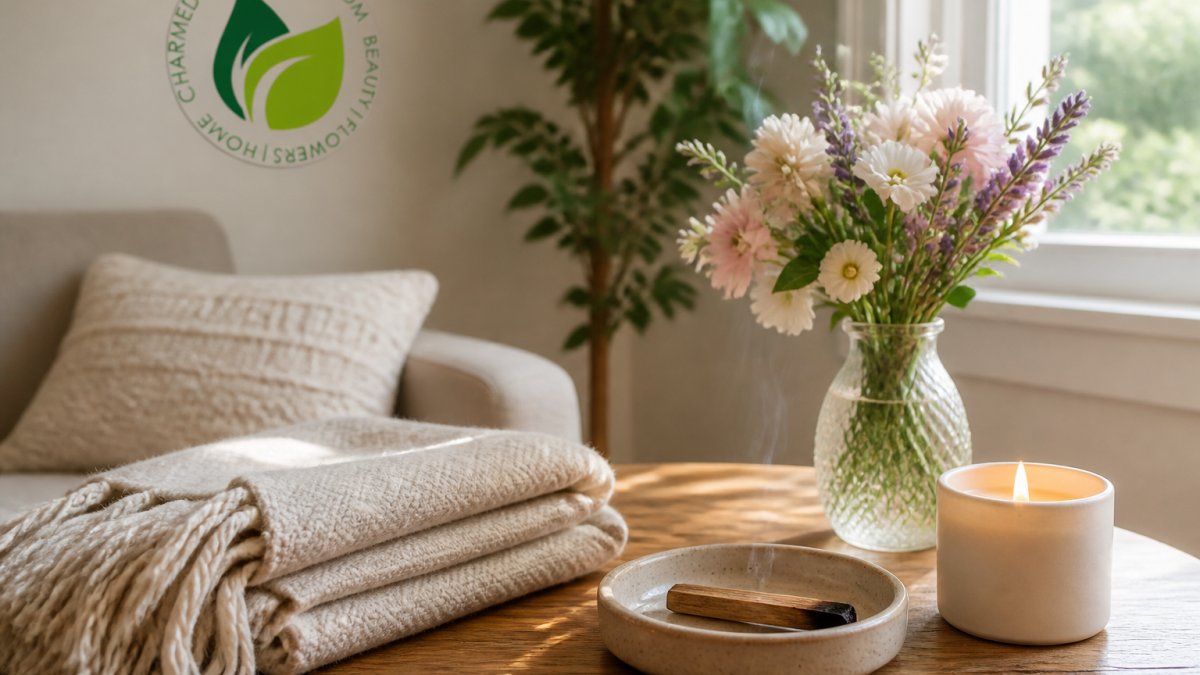
Then strip it down:
- Clear the desk, the counter, the coffee table
- Put away phones, mail, and laundry baskets
- Open a window for fresh air
- Add one soft light source, like a candle or a lamp
- Set out a blanket, a cushion, and a glass of water
Scent can set a mood for a retreat. A Smudging Set with clary sage and lavender can help set a calm tone in a room. Light it before you begin, and the space signals to your brain that retreat time has started.

Step 3: Build Your Personal Retreat Day Itinerary
A personal retreat day itinerary is a loose sequence of blocks, not a minute-by-minute schedule. The most common mistake is copying someone else's perfect day. Instead, pick a template that matches the time and energy you actually have, then adjust it the night before based on how you feel.
Here are three ready-to-use shapes. Use them as starting points, not scripts.
Half-Day Retreat (4 hours)
Best for a first attempt, a weekday afternoon off, or a low-energy day.
| Time | Block | What It Looks Like |
|---|---|---|
| 0:00-0:30 | Arrive | Tea, phone silenced, one minute of silence |
| 0:30-1:30 | Quiet focus | Journaling or meditation, pick one, not both |
| 1:30-2:15 | Nourish | A real meal or snack, eaten slowly, ideally outside |
| 2:15-3:15 | Move or make | Gentle stretching, a walk, or a simple craft |
| 3:15-4:00 | Close | Three reflection questions, then stop |
Full-Day Retreat (8 hours)
Best for a Saturday with no obligations and a clear intention.
| Time | Block | What It Looks Like |
|---|---|---|
| Morning | Arrive and settle | Tea, stretching, no screens |
| Late morning | Quiet focus | Meditation, journaling, or reading |
| Midday | Nourish | A real meal, eaten slowly, ideally outside |
| Afternoon | Create or move | Yoga, a craft, a walk, or a spa ritual |
| Late afternoon | Rest | A nap, a bath, or simply lying down |
| Evening | Close gently | Reflection, a warm bath, early bed |
Multi-Day Retreat (2-3 days)
Best for a weekend reset or a long holiday. Repeat the full-day shape, but change one anchor activity each day so the days don't blur together. Day one: movement. Day two: creativity. Day three: rest and integration. Keep meals and sleep times consistent, the rhythm is what makes it feel like a retreat rather than a staycation.
Low-Energy and High-Energy Variants
Every block above has a lower-effort swap. If you wake up depleted, replace the quiet-focus block with ten minutes of lying down and listening to one song. Replace the afternoon movement block with a slow walk to the mailbox. The retreat still counts. Many people find a low-energy version easier to repeat.
Adapting the Schedule
If you have limited mobility, chronic pain, or sensory sensitivities, shorten the blocks and add more transitions. Ten minutes of quiet between activities is not wasted time, it is what makes the next block possible. If you are neurodivergent and focus is hard, use shorter blocks (15-20 minutes) and set a visible timer. The schedule should serve your energy, not the other way around.
Step 4: Choose Wellness Retreat Activities at Home
The best wellness retreat activities at home are the ones you'll actually do without forcing them. Pick two or three from different categories, and skip anything that feels like homework.
Try this mix:
- Mind: meditation, breathwork, or ten minutes of silence
- Body: gentle yoga, stretching, or a slow walk
- Hands: journaling, sketching, arranging flowers
- Skin: a face ritual, done slowly, with no rush
If you want a ready-made anchor for the afternoon, our GlowUp Party Kit turns the Flower Face Experience into something you can do at home. It also works beautifully if you invite a friend or two to share the day.
Choose the ones that match your energy that day, not the ones that sound most impressive.
Step 5: Plan Affordable Wellness Retreat Ideas That Fit Your Budget
Affordable wellness retreat ideas come down to one trade: spend on the few things you'll use all day, and skip the rest. A meaningful retreat at home costs far less than a weekend away.
Where your money goes:
- Worth it: one good candle, fresh flowers, a face ritual, good food
- Skip it: new workout gear, elaborate props, anything you'll use once
- Free: silence, walking, stretching, journaling, an early night
The Flower Face Spa Box at $99.00 bundles a toner, serum, rose quartz gua sha stone, and hairband into one four-step ritual.

Set a number before you shop. Then stop when you hit it.
Step 6: Handle Household Logistics, Caregiving, and Safety
Household logistics are where most at-home retreats quietly fall apart. Sort the practical pieces first, and the day protects itself.
Before Your Retreat Day
- Tell the people you live with what you're doing and when, say it out loud the night before, not the morning of
- Set an out-of-office reply and silence notifications
- Prep meals ahead or plan something simple
- Arrange childcare or pet care for your protected hours
- Check that any candles or smudge items sit on a heat-safe dish
- Keep water nearby and eat regularly
Shared Homes and Interruptions
If you live with others, agree on a signal. A closed door, a note on the fridge, or a shared calendar block all work. The goal is not silence, it is fewer decisions. A short check-in at midday can help prevent later interruptions. If a interruption happens anyway, treat it as part of the day rather than a failure, and return to the next block when you can.
Pets and children do not understand retreats. Plan for them the way you would plan for a work meeting: a walk before you begin, a snack ready, a backup activity within reach. If you are the primary caregiver, a half-day retreat with a clear handoff is more realistic than a full day you will cancel. If this is your first time doing it alone, read is a solo wellness retreat safe for beginners.
Safety and Realistic Wellness Guidance
Safety matters more than atmosphere. Never leave a lit candle or smudge stick unattended, and keep them away from curtains, pets, and paper.
Some retreat activities carry real risks if you push too hard. Some retreat activities are not right for everyone. If you have a health condition, are pregnant, take medication, or are recovering from illness, check with a qualified professional before trying anything new. General self-care guidance is not medical advice, and a retreat at home is not a substitute for care.
Watch out: skipping the caregiving conversation is the most common way a retreat day gets interrupted. Say it out loud the night before, not the morning of.
Step 7: Measure What Worked and Carry It Forward
You'll know your retreat worked if you can name one thing that helped and one thing you'd change. That's the whole measurement.
Ask yourself three questions that evening:
- When did I feel most calm?
- What did I skip that I thought I'd love?
- What do I want to keep doing next week?
Write the answers down. Then pick one habit to carry forward, like a ten-minute morning stretch or a weekly screen-free hour.
Small, repeatable pieces beat one perfect day. That's the real goal of a wellness retreat at home: not a single escape, but a rhythm you can return to.
Plan Your Next Retreat Day
The hardest part of a personal retreat isn't the planning. It's believing you're allowed to take the time.
You are. Start with a half day, one clear intention, and a corner you've cleared. Add a candle, a face ritual, and a real lunch. That's enough to feel the shift.
Charmed Valley Farm offers botanical skincare from our #Farm2Face line, smudging sets, and fresh-cut flowers. Explore our Flower Face Skincare collection and our events.
Get started with Charmed Valley Farm and give yourself one protected day that actually feels like rest.
Frequently Asked Questions
How do I plan a wellness retreat at home?
Start with one clear intention, then choose a date and block the hours on your calendar. Clear your space, set communication boundaries, and build a simple itinerary with two or three activities you actually enjoy. Keep meals and supplies ready in advance so the day doesn't turn into errands. A wellness retreat at home works best when the plan is small enough to finish and flexible enough to adjust if your energy dips.
How long should an at-home wellness retreat last?
A half day of three to four hours suits most first-timers, and a full day works once you know your rhythm. Shorter blocks of 90 minutes can still feel restorative if they are protected and uninterrupted. The length matters less than the boundaries around it: phone off, no work, no errands. If you are managing caregiving or a busy household, start with a morning block and add a second day later rather than stretching one day too thin.
What activities can I do during a solo retreat?
Choose a mix of quiet and gentle movement: meditation, breathwork, journaling, stretching or yoga, and a slow creative project. A DIY spa session fits naturally, and the Flower Face Spa Box ($99.00) includes a toner, face oil serum, velveteen hairband, and rose quartz gua sha stone with massage instructions. Add one thing that feels indulgent, like reading outside or a bath, and leave space between activities instead of scheduling every hour.
How can I host a wellness retreat at home on a budget?
Use what you already own and spend only where it changes the day. Free options include a clutter-free room, a candle, library books, walking outside, and guided meditations online. Small purchases go further when they last: the Smudging Set ($26.00) with clary sage, lavender, matches, and a ceramic smudge dish, and the Flower Oil Face Serum ($45.00) covers a nightly ritual. Skip anything you would only use once.
Ready to make it real? Pick your date this week, set out your space, and let the day be simple.
