
Table of Contents
- What to Bring to a Wellness Workshop: The Essentials
- What to Wear to a Wellness Retreat: Clothing and Activewear
- What to Pack for a Wellness Retreat: Hydration and Nutrition
- Sun Protection, Skincare, and Personal Care
- Wellness Workshop Checklist: Yoga, Meditation, and Reflection Tools
- Workshop-Specific Supplies and Participation Materials
- Accessibility, Sensory, Medical, and Digital Considerations
- Day-of Checklist and What the Organizer Provides
- Frequently Asked Questions
Last Updated: October 12, 2026
What to Bring to a Wellness Workshop: The Essentials
The essentials fall into four categories: comfortable clothing, hydration and nutrition, sun and skincare protection, and tools for reflection and mindfulness.
What to Wear to a Wellness Retreat: Clothing and Activewear
Comfortable Base Layers and Activewear
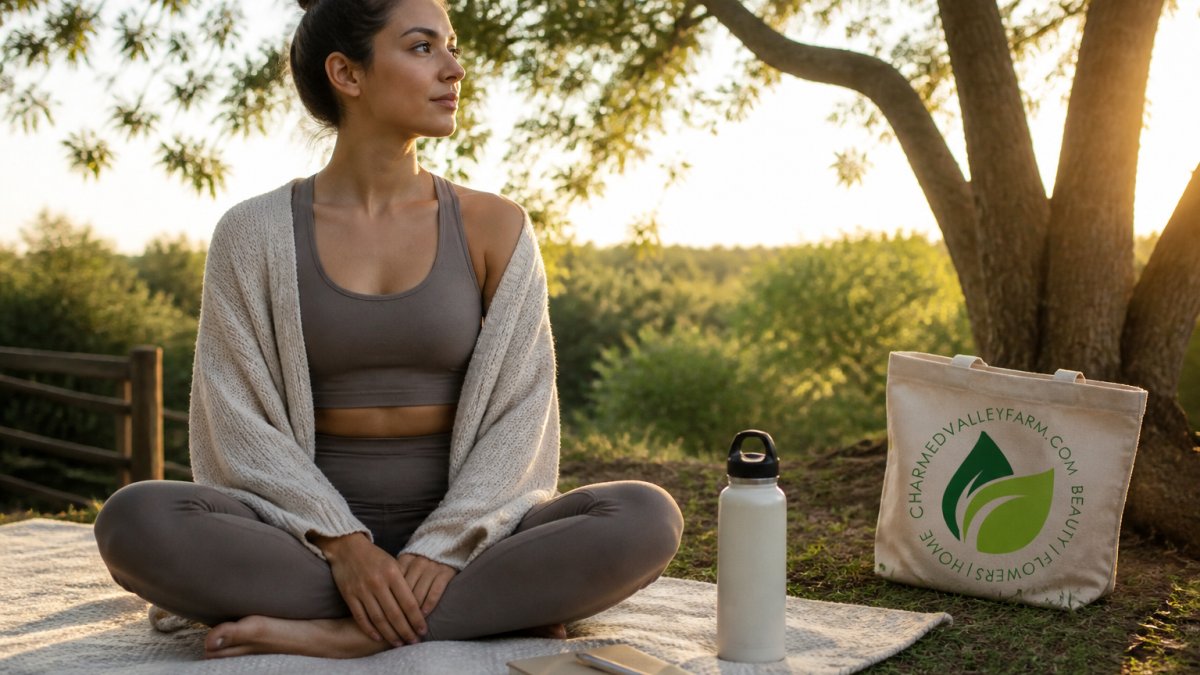
Wear pieces that let your body move freely. Breathable fabrics, cotton, linen, and moisture-wicking blends, keep you cool during yoga or tai chi:
- Yoga pants or stretchy leggings with a high waistband
- Breathable t-shirts or tank tops
- Sports bra for proper support during physical activity
Lightweight Layers for Temperature Changes
Indoor workshop spaces shift temperature constantly; layering solves this without bulk:
- Cardigan or zip-up hoodie
- Lightweight scarf or wrap
- Denim or linen jacket
Footwear for Different Activities
Bring shoes suited to your workshop's activities.
For yoga and meditation: Socks or barefoot; grip socks if you need foot support.
For walking or outdoor activities: Walking shoes or hiking boots with good arch support, blisters derail a wellness experience fast.
For casual movement between sessions: Slip-on shoes or sandals; water shoes for water activities.
For evening activities: One pair of casual shoes you feel good in.
Avoid brand-new shoes, break them in first.
What to Pack for a Wellness Retreat: Hydration and Nutrition
Reusable Water Bottle and Hydration Essentials
Staying hydrated impacts your energy, focus, and ability to process the workshop content. Bring a reusable water bottle of at least 24 ounces; metal or glass keeps water cool longer than plastic. Add:
- Electrolyte packets to mix into water (especially if the workshop includes physical activity)
- Herbal tea bags for variety
- A small insulated bag if you want cold water throughout the day
Drink consistently, not just when thirsty, thirst is a late indicator of dehydration. Aim for half your body weight in ounces daily, plus extra if you're moving or in warm conditions.
Healthy Snacks and Dietary Considerations
Most wellness workshops include meals or snacks, but bring backup snacks that align with your dietary needs and won't cause energy crashes:
- Raw nuts and seeds (almonds, walnuts, sunflower seeds)
- Dried fruit or fresh fruit
- Whole-grain crackers
Avoid sugary and processed snacks, they spike your blood sugar, then drop it hard, leaving you tired and unfocused.
If you have dietary restrictions or allergies, contact the organizer beforehand, most workshops accommodate vegetarian, vegan, gluten-free, and allergy-conscious diets with notice.
Sun Protection, Skincare, and Personal Care
Sun Protection Essentials
Protect your skin proactively, sun exposure can leave you burned and uncomfortable all day. Pack:
- Broad-spectrum sunscreen (SPF 30 or higher)
- Wide-brimmed hat or baseball cap
- Sunglasses that block UV light
Apply sunscreen 15 minutes before heading outside, and reapply every two hours or after swimming.
Toiletries and Botanical Skincare Products
Bring a basic toiletry kit:
- Toothbrush and toothpaste
- Face cleanser suited to your skin type
- Moisturizer
For skincare, consider botanical products that align with your wellness goals. The Charmed Valley Farm Flower Face Skincare line offers chemical-free, plant-based options designed for mindful self-care.
Many workshops encourage minimal beauty routines, skip heavy makeup and focus on clean, healthy skin.
Wellness Workshop Checklist: Yoga, Meditation, and Reflection Tools
Yoga Mat and Meditation Cushion
If your workshop includes yoga or floor-based activities, bring your own mat for comfort and hygiene, a lightweight travel mat takes minimal space.
For meditation, a zafu cushion supports posture and reduces strain on knees and lower back; a folded blanket works in a pinch.
Journal, Reflection Cards, and Writing Supplies
Wellness workshops often spark insights, capture them with a journal. Bring a small notebook, a pen that feels good to write with, and optional reflection cards. Writing by hand deepens processing, and breakthroughs fade if you don't record them.
Workshop-Specific Supplies and Participation Materials
Most packing lists target multi-day retreats, but a single workshop has one session and one agenda. Match your bag to the actual format.
Match Your Supplies to the Workshop Format
Sort your workshop into one of these buckets, then pack accordingly.
Yoga or movement workshop (60-90 minutes)
- Your own mat for grip and hygiene; studio loaners run out in full classes
- A small towel for sweat
- Grip socks if the studio is barefoot-only or you run cold
Meditation, breathwork, or sound bath
- A cushion, zafu, or folded blanket for seated work; a rolled towel works
- An eye pillow or clean bandana for guided rest
- A light shawl, long stillness makes rooms feel 5-10°F cooler
Creative or expressive workshop (journaling, art, vision boards)
- A notebook with blank or dot-grid pages if the facilitator mentions drawing or mapping
- Your own pens, markers, or colored pencils, shared supplies are limited
- A folder for anything wet, glued, or oversized
Classroom-style or lecture workshop
- A notebook and two pens
- A highlighter if handouts are provided
- A light sweater, seated lecture halls are the coldest rooms
Outdoor or nature-based workshop
- Closed-toe shoes with traction, even for a "gentle walk"
- A small daypack so your hands stay free
- Insect repellent and a bandana or buff for dust and sun
What to Ask the Facilitator Before You Pack
A two-line email to the organizer saves you from hauling the wrong gear. Ask:
- "What will you provide, and what should I bring?" The single most useful question.
- "Is there anything participants commonly forget?" You'll often get a candid, specific answer.
- "Will we be on the floor, in chairs, or moving between spaces?" This determines whether you need a mat, a cushion, or just comfortable shoes.
- "Are phones allowed, and will you be photographing the session?" This sets expectations for the privacy guidance below.
If the organizer doesn't respond, default to a water bottle, notebook, pen, layer, and your own mat if the format involves the floor, those five cover most single-session workshops.
Props, Handouts, and Materials the Facilitator May Assign
Some facilitators assign pre-work, a chapter to read, a journal prompt, an intention, or a specific item to bring. These often arrive in a confirmation email rather than on the event page.
- Check your confirmation email and pre-workshop messages at least 48 hours before the session.
- If a workbook or book is assigned, buy or print it early.
- If asked to bring a personal object, choose something meaningful.
A Note on Digital Devices
Unless the facilitator asks for a laptop or tablet, leave it at home. Phones are useful only for a quick photo of the agenda, notes, reflection, and participation work better on paper. If there's a digital-detox policy, honor it fully.
Accessibility, Sensory, Medical, and Digital Considerations
For attendees with accessibility needs, sensory sensitivities, medical conditions, or privacy concerns, a little planning turns a stressful day into a restorative one, the part most guides skip.
Requesting Accessibility Accommodations in Advance
Facilitators can only meet needs they know about, and most welcome the conversation. Reach out as soon as you register so there's time to adjust the room, schedule, or seating:
"Hi [name], I'm registered for [workshop] on [date]. I have [brief description of need] and would like to confirm a few things: Is the space wheelchair accessible? Is there seating available if the session involves floor work? Can I step out briefly if I need to? Thank you, I'm looking forward to it."
Specific accommodations to ask about:
- Mobility: Step-free entry, accessible restrooms, parking proximity, and whether the session moves between rooms or floors.
- Seating: Chair availability for floor-based sessions, back support, and permission to switch positions.
- Hearing and vision: Microphone use, large-print handouts, and whether you can sit near the front.
If the organizer can't accommodate a need, you can decide whether to attend, request a refund under their stated policy, or bring your own support.
Sensory Needs and Packing for Them
Wellness workshops can be sensory-rich, group breathing, ambient music, close seating, strong smells, dim or bright lighting. If you're sensitive, pack for it.
- Earplugs or noise-reducing earbuds for sound baths, drum circles, or crowded rooms
- An eye mask or scarf for guided rest and bright rooms
- A small comfort item, a smooth stone, a favorite shawl, a worry bead
Stepping out briefly is normal, and most facilitators expect it.
Medical Items and Medication Timing
Bring regular medications in their original labeled bottles, plus a small first-aid pouch. A workshop is not the time to test a new supplement or skip a dose. A practical day-of kit:
- Prescription medications, with one extra dose in case the session runs long
- Over-the-counter pain reliever for headaches or muscle soreness
- Antacid or digestive support for unfamiliar food
If you have a condition the facilitator should know about, asthma, a heart condition, severe allergies, a history of panic attacks, tell them at check-in. A one-sentence heads-up lets them respond quickly if something happens.
Digital Privacy, Phones, and Photography Consent
Wellness spaces run on trust, and phones are the fastest way to break it. Before the session, clarify three things:
- Is the room phone-free? Many facilitators ask for phones silenced and out of sight, and some collect them at the door. Honor whatever policy is stated.
- Will the organizer photograph or record? Ask where images will be used, social media, marketing, internal records, and whether you can opt out.
- Can you photograph other participants? Default to no, even a wide shot captures faces.
If you're uncomfortable, say so at check-in, a simple "I'd prefer not to be photographed" is enough. If the organizer can't confirm how images will be used, keep your own phone away and sit toward the back.
A Quick Pre-Workshop Accommodation Checklist
- Emailed the organizer about accessibility, seating, or fragrance needs
- Confirmed whether the space is step-free and where restrooms are
- Packed medications in original bottles, plus one extra dose
Handling these details before you arrive frees your attention for the actual workshop.
Day-of Checklist and What the Organizer Provides
Your Packing Checklist
Use this list the morning of your workshop:
- Comfortable activewear and base layers
- Lightweight layers (cardigan, scarf, jacket)
- Sunscreen, hat, sunglasses
Print this list or save it to your phone, and check items off as you pack.
What the Organizer Typically Provides
Most wellness workshops include:
- Meals or substantial snacks
- Drinking water and basic beverages
- Yoga mats (bringing your own is still recommended)
What they usually don't provide:
- Sunscreen or sun protection items
- Personal medications
- Specialized dietary snacks beyond the main meals
When in doubt, pack it yourself.
A wellness workshop is an investment in yourself. The right preparation removes friction and lets you focus on the experience.
Ready to deepen your wellness journey? Charmed Valley Farm hosts workshops and retreats designed to help you reconnect with yourself and nature. Explore our upcoming events and discover a retreat that matches your needs. And while you're preparing, consider bringing the GlowUp Party Kit if your workshop includes skincare or self-care sessions, it's a complete flower-powered facial experience designed to complement any wellness practice.

Frequently Asked Questions
What should I bring to a wellness workshop if I've never attended one before?
Start with comfortable clothing, a reusable water bottle, sunscreen, a journal, and any personal medications or medical items you need. Most organizers provide yoga mats and cushions, but confirm beforehand. Bring activewear that lets you move freely, layers for temperature changes, and toiletries. If the workshop includes creative activities like the GlowUp Party Kit experience, check if supplies are included or if you should bring your own skincare products.
Do wellness workshops provide supplies, or do I need to bring everything?
Most wellness workshops provide core items like yoga mats, meditation cushions, and basic refreshments. However, policies vary by venue and organizer. Always confirm what's included before attending. Bring personal essentials like medications, preferred snacks, and your own skincare products if you have sensitive skin. Some workshops, like Charmed Valley Farm's offerings, include botanical-based experiences where your own self-care items enhance the session.
Should I bring a journal to a wellness workshop?
Yes. A journal is valuable for capturing insights, reflections, and intentions during and after the workshop. Many wellness retreats encourage journaling as part of mindfulness practice. Bring a notebook you enjoy writing in, along with a pen or pencil. Reflection cards can complement journaling if you prefer structured prompts. These tools help you process the experience and apply what you learn to your daily life.
What's the wellness workshop checklist for packing if I'm attending a multi-day retreat?
For a multi-day retreat, pack: comfortable activewear and casual clothes for downtime, lightweight layers, comfortable shoes and sandals, a reusable water bottle, sunscreen and sun protection, toiletries, any medications, a journal and pen, yoga clothes, and a cozy blanket or shawl. Check the retreat schedule and venue details to confirm what's provided. Bring natural skincare products if you have mature or sensitive skin, and pack light to avoid overpacking. Confirm whether the organizer supplies yoga mats, meditation cushions, and meals.