
Table of Contents
- What You're Actually Paying For in Organic Skincare
- Benefits of Botanical Skincare: What the Ingredients Do
- Organic Beauty Products for Sensitive Skin: Who Benefits Most
- How to Read Organic Skincare Labels Without Getting Fooled
- Organic vs. Conventional: Effectiveness, Safety, and Side Effects
- Cost-Per-Use Analysis: What Organic Skincare Really Costs Monthly
- Building a Budget-Friendly Organic Routine That Works
- Frequently Asked Questions
Last Updated: September 12, 2026
What You're Actually Paying For in Organic Skincare
Ask most people whether organic skincare is worth the higher price and they'll say "better ingredients." That's only part of the story. You're also paying for everything that doesn't happen during production: no synthetic fillers, no artificial fragrances, no industrial shortcuts. At Charmed Valley Farm, our #Farm2Face line exists because we wanted to know exactly what was going into every bottle, and that control has a price.
Ingredient Sourcing and Small-Batch Production Costs
Small-batch production is the biggest cost driver, and the one most shoppers never see. A botanical extract harvested at peak potency, cold-pressed to protect its actives, and bottled within weeks rather than months costs more at every stage. Large manufacturers offset this by buying in bulk and extending shelf life with synthetic preservatives; small producers can't. What you get instead is a concentrated formula where botanical extracts do the work, not filler.
That trade-off is why organic skincare worth the higher price costs more per ounce. Whether it's worth it depends on what your skin actually needs.
Benefits of Botanical Skincare: What the Ingredients Do
Botanical skincare supports your skin's own repair systems rather than overriding them. Rosehip, sunflower, and rose geranium contain fatty acids and antioxidants that reinforce the skin barrier, the outermost layer that holds moisture in and irritants out. When that barrier is intact, most problems, from dryness to reactivity, calm down on their own.
Skin Barrier Health and Concentrated Formulas
A concentrated formula means fewer ingredients at higher potency, and every extra ingredient is another chance for irritation. Products built around a short list of botanical extracts reduce that risk while still delivering hydration and antioxidant support. The trade-off: concentrated formulas often feel lighter than conventional creams because they aren't padded with silicones.
Organic Beauty Products for Sensitive Skin: Who Benefits Most
Organic beauty products for sensitive skin deliver the clearest return, because sensitive skin reacts to exactly what organic formulas leave out. Artificial fragrances, synthetic preservatives, and harsh surfactants commonly trigger redness, stinging, and contact irritation (PubMed). A formula built on botanical extracts and cold-pressed oils sidesteps most of those triggers.
That said, "natural" does not automatically mean "hypoallergenic." Essential oils, including lavender and clary sage, can still irritate some people. Patch-test anything new on your inner forearm for two or three days before committing to your face.
Skin Type Specific ROI: Mature, Reactive, and Combination Skin
Different skin types get different value from organic formulas.
- Mature skin: The highest return. Concentrated botanical oils support elasticity and hydration, exactly what mature skin loses first. A serum that smooths fine lines does more per dollar than a cream that sits on the surface.
- Reactive skin: Strong return, with a caveat. Fewer synthetic chemicals means fewer flare-ups, but you still need to check every botanical for personal triggers.
- Combination skin: Moderate return. You'll likely need two products rather than one, which raises your monthly cost, but balancing oils and hydration separately usually works better than a single all-purpose formula.
The Trigger-by-Trigger Breakdown
The ROI argument for sensitive skin gets stronger when you name the specific mechanisms. Here's what organic formulas typically avoid, and why each one matters for reactive skin:
- Synthetic fragrance (often listed as "parfum" or "fragrance"): A leading cause of contact dermatitis. Fragrance mixes can contain dozens of undisclosed compounds, making the trigger nearly impossible to identify. Fragrance-free botanical formulas remove the guessing game.
- Synthetic preservatives (parabens, formaldehyde releasers): Effective at extending shelf life, but a known irritation source for some. Preservative-free organic formulas trade shelf life for a lower irritation profile, a real trade-off, not a free win.
- Harsh surfactants (sodium lauryl sulfate and similar): Strip the skin barrier and leave reactive skin more vulnerable to whatever touches it next. Gentler botanical cleansers preserve the barrier instead of compromising it.
- Synthetic emollients and silicones: Not inherently harmful, but they can trap irritants against the skin and mask underlying dryness rather than resolving it.
Resilient Skin: Where Organic ROI Is Lowest
If your skin is resilient, rarely reacts, tolerates most products, no specific concerns, the ROI on organic skincare is genuinely lower. You're paying a premium for a benefit (fewer irritation triggers) you don't need. Organic isn't a bad choice, but the value proposition shifts from "protecting my skin" to "preferring cleaner ingredients", a values-based decision, not a results-based one. Be honest about which one you're making.
The Sensitive-Skin Decision Framework
A simple way to decide whether organic is worth it for your skin type:
- Do you react to conventional products? If yes, organic has a clear, measurable ROI. If no, the case is weaker.
- Can you identify your triggers? If fragrance or preservatives are the problem, a fragrance-free, preservative-free organic formula solves it directly. If you can't identify the trigger, patch-testing matters more than the label.
- Are you willing to patch-test botanicals? Organic isn't risk-free. If you won't test, you're trading one unknown for another.
- Does your skin have a specific concern (fine lines, dryness, reactivity)? The more specific the concern, the more a concentrated botanical formula earns its cost.
How to Read Organic Skincare Labels Without Getting Fooled
Reading a label is the fastest way to tell real botanical skincare from marketing copy. Start with the ingredient list, not the front of the bottle. Ingredients are listed by concentration, so anything after the preservatives is present in trace amounts at best.
Then look for what's missing. No artificial fragrances. No synthetic preservatives. No fillers. A short list is usually a good sign; a list of forty ingredients with "botanical extract" buried near the bottom is not.
Certification Standards, Preservative-Free Claims, and Shelf Life
Certification standards vary, and no single seal guarantees quality, so treat certification as one signal among several rather than proof. The more useful check is the preservative-free claim, because it comes with a real consequence: preservative-free products have a shorter shelf life and need proper storage.
Preservative-free formulas are genuinely more vulnerable to spoilage once opened. Store them in a cool, dark place away from direct sunlight, and pay attention to the use-by window. A serum kept on a sunny bathroom windowsill will lose potency well before its stated shelf life.
Organic vs. Conventional: Effectiveness, Safety, and Side Effects
Conventional products often win on speed and texture, because synthetics can be engineered for immediate visible results. Organic formulas work more gradually, supporting skin health over weeks rather than hours. Neither is universally better, it depends on your skin and priorities.
On safety, organic formulas reduce exposure to synthetic chemicals, which matters most for sensitive or reactive skin. On side effects, risks shift rather than disappear: conventional products more often irritate via synthetic additives, while organic products more often trigger reactions to specific botanical extracts. Knowing which risk you'd rather manage is most of the decision.
Cost-Per-Use Analysis: What Organic Skincare Really Costs Monthly
The sticker price is not the real price, cost-per-use is, and it changes the math. A concentrated serum used as directed, one dropper nightly, lasts about a month per bottle; a toner used twice daily lasts roughly the same. That's a predictable monthly figure, not a vague "organic is expensive" impression.

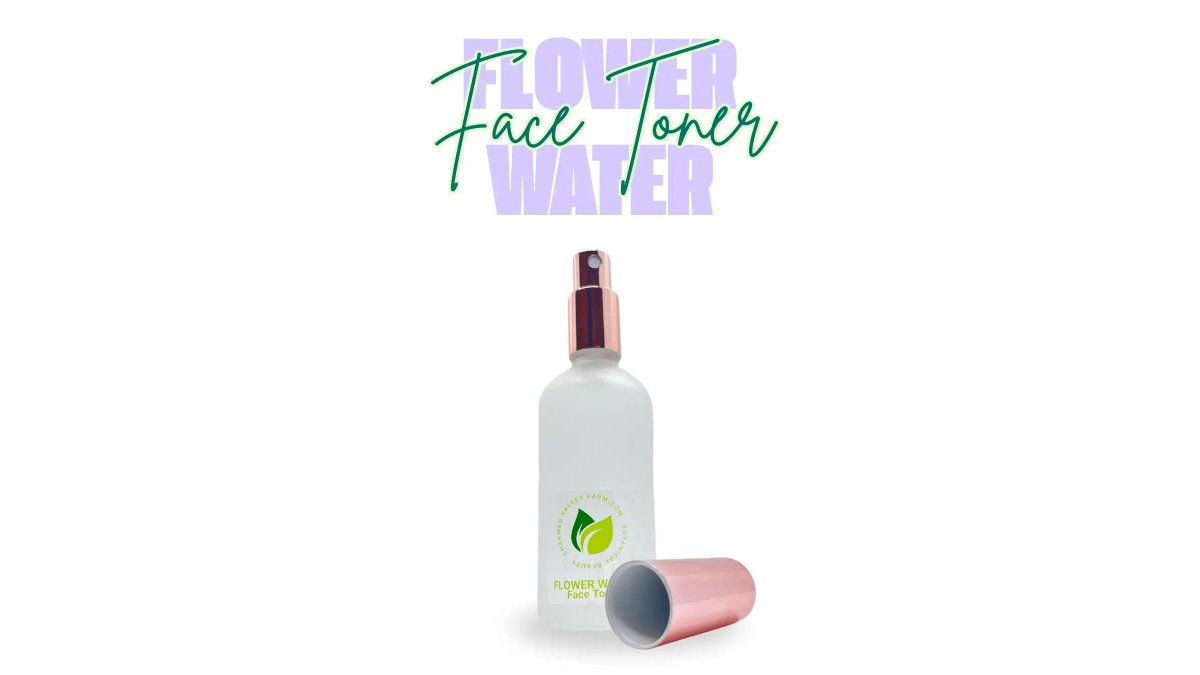
Here's how the numbers break down across a few routine configurations:
| Routine | Products | Total Cost | Monthly Cost | Best For |
|---|---|---|---|---|
| Serum only | Flower Oil Face Serum | $45.00 | ~$45 | Minimalists, oily or combination skin |
| Toner only | Flower Water Face Toner | $45.00 | ~$45 | Reactive skin needing gentle daily balance |
| Full two-step | Flower Face Duo | $85.00 | ~$42.50 | Most skin types, best value per product |
| Complete ritual | Flower Face Spa Box | $99.00 | ~$33 | Mature skin, anyone wanting the full routine |
The Duo is the sweet spot for most people: two full-size products for less than buying each separately. The Spa Box adds the gua sha tool and spreads the cost across more items, bringing the effective monthly figure down further.
The Cost-Per-Drop Math Most Shoppers Never Run
A single dropper of facial oil is roughly 0.05 mL (peer-reviewed research). A one-ounce bottle holds about 30 mL, about 600 drops. At one dropper (roughly 20 drops) per night, that's a 30-day supply, which is why the monthly figure above lands where it does. The number that matters is cost per application: divide the bottle price by the applications you realistically get. A $45 serum used nightly for 30 days costs $1.50 per application. A $12 conventional moisturizer you reapply twice a day and replace every three weeks can cost more per application than the "expensive" organic serum.
This is the shift most shoppers miss. The question isn't "is $45 a lot for a serum?" It's "what does each use cost me, and what does that use actually do?"
Annualized Cost: The 12-Month View
Monthly figures feel abstract; annualized figures force a real decision. The two-step Duo at roughly $42.50 per month is about $510 per year for a complete daily routine. Compare that to buying three or four mid-priced conventional products, replacing them every six to eight weeks, and adding a "hero" product with every trend. Most people who track spending for a year find their conventional routine costs more annually than they assumed, not because any single product is expensive, but because the replacement cycle is faster and the products are less concentrated.
Concentration Is the Hidden Variable
Concentrated formulas change the cost-per-use equation in a way the sticker price hides. When a product is mostly water and filler, you use more per application and replace it sooner. When botanical extracts do the work at higher potency, a smaller amount delivers the same or better result. That's why a $45 concentrated serum and a $20 diluted serum can cost the same per month, the concentrated one lasts longer and needs less per use.
Where Organic Loses on Cost-Per-Use
Organic formulas lose the cost-per-use comparison in two situations. First, if you don't use the product consistently, the bottle expires before you finish it and you've paid for product you never used. Second, if you buy a full multi-step routine before knowing which products your skin needs, you'll waste money on steps that don't earn their place. The cost-per-use advantage only holds when the routine is minimal and consistent: buy two products, use them daily, and the math works. Buy six, use them sporadically, and it doesn't, organic or not.
Building a Budget-Friendly Organic Routine That Works
A budget-friendly organic routine starts with two products, not six. Cleansing, then either a toner or a serum, covers the essentials for most skin types. Add more only when you can name the specific problem the extra product solves.
A practical order of operations:
- Start with one product. Pick the serum if fine lines or dryness are your main concern, the toner if reactivity or oil balance is.
- Use it consistently for a full month. Botanical formulas need time. Judging after four days tells you nothing.
- Add the second product once the first is working. The toner preps skin for the serum, so together they outperform either alone.
- Track your actual usage. If a bottle is lasting longer than a month, you're using less than directed, and results will lag.
- Buy the bundle when you're ready to commit. The Duo costs less than two individual bottles and removes the guesswork.
The real challenge with organic skincare isn't whether botanical ingredients work. It's finding a source you can trust to tell you exactly what's in the bottle, how it was made, and how long it stays potent. Charmed Valley Farm built the Flower Face Skincare line around that transparency: small-batch botanical formulas, no added chemicals or fillers, and a #Farm2Face philosophy that starts with what we grow. Our fan-favorite Flower Face Duo pairs the Flower Water Face Toner with the Flower Oil Face Serum, and the Flower Face Spa Box adds a rose quartz gua sha stone for the full evening ritual. Build a routine your skin can actually rely on.


Frequently Asked Questions
Is buying expensive skincare products really worth it?
Price alone doesn't determine value. A $45 serum used nightly for 30 days costs about $1.50 per use, which is less than most daily coffee habits. What matters is whether the formula delivers results your skin actually needs. Look at ingredient concentration, shelf life, and how long one bottle lasts. Products with preservative-free, small-batch formulas often have shorter windows, so you get fresher active ingredients but need to use them consistently within 12 months.
Is organic skincare actually better for your skin?
Organic skincare can be better for sensitive or reactive skin because it skips synthetic chemicals, artificial fragrances, and harsh preservatives that trigger irritation. Botanical ingredients like rosehips, sunflower oil, and raspberry leaf extract support skin barrier health and reduce inflammation. That said, 'organic' is not automatically better for everyone. What matters is whether the specific formulation matches your skin type and whether the brand is transparent about sourcing and production methods.
What is the difference between natural and organic skincare labels?
Natural means ingredients come from plant, mineral, or animal sources but can still include synthetic processing. Organic means ingredients were grown without synthetic pesticides and meet certification standards. A product can be natural without being organic, and organic without being chemical-free. When you read labels, look for specific botanical extracts listed by name, avoid vague terms like 'fragrance,' and check whether the brand discloses preservative systems or lack thereof.
How do I know if organic skincare is worth it for my sensitive skin?
Start with a patch test on your inner arm for three nights. If your skin stays calm, try a minimalist routine with one or two products, like a toner and a serum, before adding more. Sensitive skin often responds better to fewer ingredients at higher concentrations than to multi-step routines. Track how your skin feels after two weeks. If redness, stinging, or breakouts decrease, the investment is paying off for your specific skin type.
What ingredients should I avoid in conventional skincare?
Common irritants include synthetic fragrances, parabens, phthalates, sulfates, and formaldehyde-releasing preservatives. These can disrupt skin barrier health and trigger reactions, especially in mature or reactive skin. If you're switching to organic beauty products for sensitive skin, read labels for these terms and look for short ingredient lists built around botanical extracts, cold-pressed oils, and distilled hydrosols. Fewer ingredients often means fewer chances for irritation.