
Table of Contents
- Why Some Ingredients Trigger Breakouts on Acne-Prone Skin
- Common Skincare Ingredients to Avoid for Acne-Prone Skin
- The Comedogenic Scale Explained: What It Does and Doesn't Tell You
- How to Read Skincare Labels for Acne Without Getting Overwhelmed
- Best Natural Ingredients for Acne-Prone Skin
- Skincare Habits That Worsen Acne (and What to Do Instead)
- Conclusion
- Frequently Asked Questions
Last Updated: September 28, 2026
Why Some Ingredients Trigger Breakouts on Acne-Prone Skin
If you have acne-prone skin, the wrong product can undo weeks of progress in a single night. At Charmed Valley Farm, we hear this constantly from customers who bought something labeled "gentle" or "natural," only to wake up with new breakouts. The problem usually isn't one bad ingredient, it's clogging, irritation, and a damaged barrier working together.
- Clogging happens when an ingredient traps sebum and dead skin inside the pore
- Irritation happens when an ingredient strips the skin barrier, causing inflammation and redness
Common Skincare Ingredients to Avoid for Acne-Prone Skin
These are the skincare ingredients to avoid for acne prone skin in most cases. Not everyone reacts to every one, but they show up again and again in breakout complaints.
Oils High in Oleic Acid: Coconut Oil, Cocoa Butter, and Mineral Oil
Oleic acid is a fatty acid that feels rich and creamy, and it's why coconut oil, cocoa butter, and mineral oil cause problems for acne-prone faces. It's heavier than the linoleic acid in your sebum, so it sits on the surface and inside the pore rather than absorbing cleanly, enough to trigger clogged pores.
- Coconut oil: popular in natural products, but highly comedogenic for many
- Cocoa butter: common in body butters and lip balms, heavy on facial skin
- Mineral oil: occlusive and cheap, seals in moisture but also traps debris
- Wheat germ oil: high oleic content, often overlooked on labels
Synthetic Fragrance and Essential Oils
Synthetic fragrance is one of the most common causes of contact irritation, and irritation is a direct path to breakouts. The word "fragrance" can hide dozens of compounds, and you can't know which one is bothering you. Essential oils are trickier because they sound natural, but natural doesn't mean non-irritating, citrus oils, peppermint, lavender, and eucalyptus commonly trigger redness and sensitivity, especially on skin already inflamed by acne.
Sodium Lauryl Sulfate, Lanolin, and Other Irritants
Cleansers are where most people accidentally sabotage their skin. Sodium lauryl sulfate (SLS) creates satisfying foam but strips the skin barrier; a compromised barrier produces more oil to compensate, and more oil means more clogged pores. Lanolin is another to watch, an excellent emollient for dry skin, but a known comedogenic ingredient for many acne-prone people.
Other irritants worth flagging:
- Astringents like high-concentration alcohol, which dry and inflame skin
- Propylene glycol, which irritates some sensitive skin types
- Parabens, which most people tolerate fine but a small group reacts to
The Comedogenic Scale Explained: What It Does and Doesn't Tell You
The comedogenic scale is a 0-to-5 rating system estimating how likely an ingredient is to clog pores: zero means unlikely, five means highly likely. That sounds useful, but it's where many people go wrong.
The Comedogenic Scale Myth: Why Ratings Aren't the Whole Story
Most original comedogenic ratings came from rabbit-ear tests, not human facial skin, which absorbs ingredients very differently. The scale also rates ingredients in isolation, while real products combine dozens that interact. A rating of 0 doesn't guarantee a product won't break you out, and a 4 doesn't guarantee it will, the scale is a starting point, not a verdict.
How to Read Skincare Labels for Acne Without Getting Overwhelmed
Here's the order of operations that actually works:
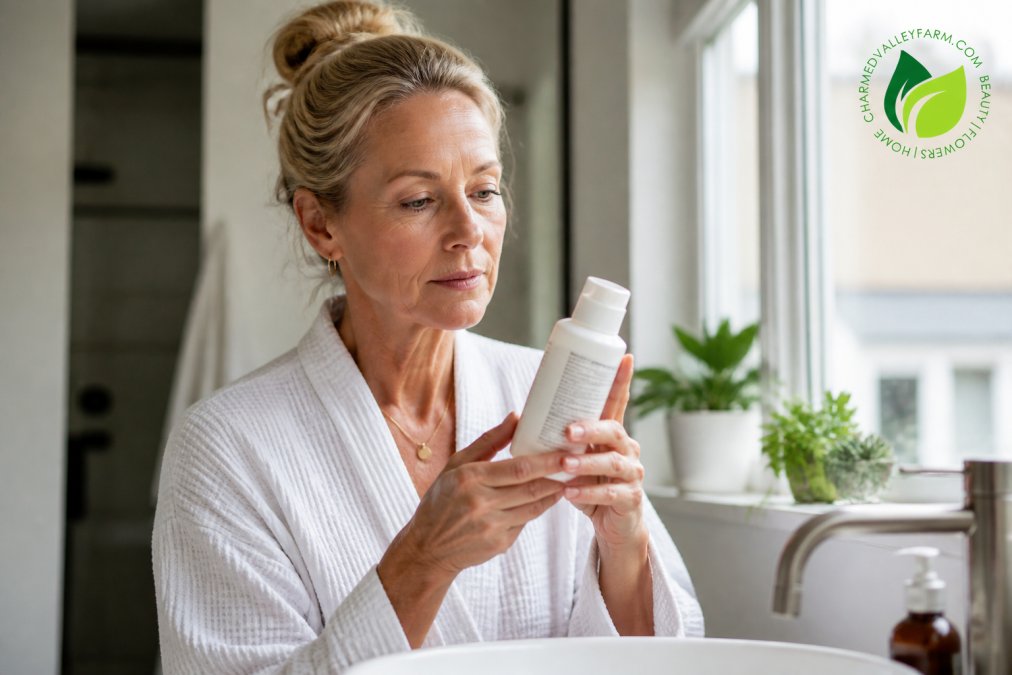
Step 1: Find the 1% line. In the U.S., ingredients are listed in descending order of concentration until 1%, after which order is arbitrary. Fragrance, preservatives, and most active botanicals sit below that line, so if "fragrance" or "parfum" appears before it, that's a meaningful dose, not a trace.
Step 2: Scan for these red flags.
-
"Fragrance" or "parfum" in the top half of the list
-
Coconut oil, cocoa butter, or mineral oil in a leave-on product
-
Sodium lauryl sulfate in a cleanser
-
Alcohol denat high in the list
-
Lanolin or acetylated lanolin alcohol
-
Cocos nucifera (coconut) oil, same ingredient, Latin name
-
Butyrospermum parkii (shea) butter, heavy on facial skin for some
-
Cetearyl alcohol, cetyl alcohol, stearyl alcohol, fatty alcohols, generally non-comedogenic, but worth noting if you react to emollients
-
Isopropyl myristate and isopropyl palmitate, synthetic emollients with high comedogenic ratings on the traditional scale
-
Laureth-4, PEG-100 stearate, emulsifiers that occasionally trigger acne-like contact reactions
Preservative Sensitivity: The Overlooked Trigger
Most "ingredients to avoid" lists focus on oils and fragrance, but preservative reactions can look exactly like acne. Preservatives keep water-based products from growing bacteria and mold, so they're necessary, yet a small slice of people develop contact dermatitis from them, which on the face presents as small red bumps that mimic breakouts. If you've cut oils, fragrance, and sulfates and your skin still reacts, preservatives are the next suspect.
- Methylisothiazolinone (MI) and methylchloroisothiazolinone (MCI), common in rinse-off products; recognized contact allergens
- Formaldehyde releasers, look for DMDM hydantoin, diazolidinyl urea, imidazolidinyl urea, and quaternium-15 on the label
- Phenoxyethanol, well tolerated by most, but a known irritant for a minority
- Parabens, methylparaben, propylparaben, and butylparaben; most people tolerate them fine, but a small group reacts
Ingredient Interactions: Why Layering Changes the Math
Comedogenic potential isn't fixed per ingredient, it changes based on what you layer it with.
A few patterns worth knowing:
- Exfoliating acid under a heavy oil. If you apply an AHA or BHA and then seal it with a rich oil, you've increased penetration of both. The oil that might have sat on the surface now has a clearer path into the pore.
- Astringent toner plus high-fragrance moisturizer. Each is mildly irritating alone. Together, they can push a compromised barrier into visible inflammation.
- Silicone primer under occlusive sunscreen. Dimethicone and similar silicones form a film. Layer an occlusive on top and you can trap sebum and sweat against the skin for hours.
- Niacinamide plus vitamin C. Not a breakout trigger, but a common flushing combo for reactive skin, worth knowing if you're troubleshooting redness.
Best Natural Ingredients for Acne-Prone Skin
The best natural ingredients for acne-prone skin calm inflammation and support the barrier without clogging pores. Look for:
- Jojoba oil: technically a wax ester, low comedogenic, closely mimics human sebum
- Rosehip seed oil: high in linoleic acid, absorbs quickly, supports healing
- Green tea extract: soothing, helps reduce redness and inflammation
- Niacinamide: strengthens the skin barrier and can help balance oil
- Aloe vera: cooling and calming for reactive skin
- Chamomile: gentle botanical that eases irritation
Skincare Habits That Worsen Acne (and What to Do Instead)
Your habits matter as much as your ingredients, a perfect product used the wrong way still causes breakouts. The table below covers common patterns, and the sections after go deeper on two habits most guides underexplain.
| Habit | What It Does | Better Approach |
|---|---|---|
| Over-washing | Strips barrier, boosts oil | Cleanse twice daily, max |
| Harsh scrubs | Causes micro-tears, redness | Use gentle chemical exfoliants weekly |
| Picking at bumps | Spreads bacteria, scars | Use a spot treatment and leave it |
| Skipping moisturizer | Dryness triggers more oil | Apply a light, non-comedogenic moisturizer |
| Dirty pillowcases | Transfers oil and bacteria | Wash every 2 to 3 days |
| Phone against cheek | Friction plus bacteria | Clean screen, use speaker mode |
| Sleeping in makeup | Traps sebum and debris overnight | Double cleanse if you wore sunscreen or makeup |
| Overusing actives | Irritates barrier, mimics purge | Introduce one active at a time, 10-14 days apart |
Acne Mechanica: When Friction Is the Culprit
Acne mechanica is breakouts caused by pressure, friction, and heat against the skin (pubmed.ncbi.nlm.nih.gov). It's well documented in athletes, helmet wearers, and anyone who rests their face in their hands, and it's the habit most "skincare ingredients" articles skip, because it isn't an ingredient problem at all. Repeated friction on a follicle creates microtrauma; add sweat, heat, and occlusion from fabric or gear, and an otherwise fine follicle becomes inflamed.
How to tell if mechanica is your pattern:
- Breakouts cluster in one zone, chin, jawline, forehead, or wherever gear or hands make contact
- They flare after workouts, long drives, or days in a helmet or tight collar
- They don't improve when you cut comedogenic ingredients
What helps:
- Shower within an hour of sweating. Leaving sweat and sebum under clothing or gear extends the exposure window.
- Change out of damp workout clothes promptly. Sports bras, tight collars, and headbands are common culprits along the hairline and back.
- Wipe down helmet straps and phone screens. These surfaces transfer oil and bacteria back to the skin.
- Choose breathable fabrics. Moisture-wicking beats cotton for workouts, but change either way.
- Keep hands off your face. The hardest one, and the most effective.
The Over-Exfoliation Trap
A subtler habit problem: treating every breakout with more exfoliation. When the barrier is already compromised, a stronger acid or physical scrub increases irritation, which increases inflammation, which looks like more acne. The cycle is easy to fall into because the first few days of exfoliation often look better.
Signs you've crossed from exfoliating into over-exfoliating:
- Skin stings when you apply products that used to feel fine
- Redness that lingers more than an hour after cleansing
- Flaking in areas that weren't flaking before
- New small bumps in places you don't usually break out
Conclusion
The skincare ingredients to avoid for acne prone skin aren't a fixed blacklist. They're a set of patterns: heavy oils, fragrance, harsh sulfates, and anything that strips your barrier. Learn to spot those patterns on a label, and you'll stop guessing.
Frequently Asked Questions
Which ingredients are bad for acne-prone skin?
Ingredients that commonly clog pores or trigger inflammation include coconut oil, cocoa butter, mineral oil, lanolin, sodium lauryl sulfate, synthetic fragrance, and certain essential oils. These can increase sebum production, irritate the skin barrier, and lead to breakouts. If you have acne-prone skin, check labels for these ingredients and look for non-comedogenic, fragrance-free formulas instead.
How can I identify comedogenic ingredients on a product label?
Start by checking the first five ingredients listed, since they make up the bulk of the formula. Look for known pore-clogging ingredients like coconut oil, cocoa butter, acetylated lanolin alcohol, and cetyl acetate. The comedogenic scale rates ingredients from 0 to 5, but it is not a perfect predictor. Patch testing a small area for a few days gives you a clearer answer for your own skin.
Are natural oils always safe for acne-prone skin?
No. Many natural oils are high in oleic acid, which can clog pores and feed acne-causing bacteria. Coconut oil and cocoa butter are common examples. Oils higher in linoleic acid, such as rosehip seed oil and evening primrose oil, tend to be better tolerated by acne-prone skin. Always patch test a new oil before applying it to your full face.
Can fragrance in skincare trigger acne breakouts?
Yes. Synthetic fragrance and essential oils are among the most common causes of contact dermatitis, which shows up as redness, irritation, and inflammation. That inflammation can worsen existing acne and trigger new breakouts. If your skin is acne-prone or sensitive, choose products labeled fragrance-free rather than unscented, since unscented products may still contain masking fragrances.