
Table of Contents
- Understanding Wholesale Flower Bucket Pricing Basics
- How to Extend Vase Life of Flowers and Protect Your Margin 💧
- Calculating DIY Wedding Flower Bucket Cost and Profitability 📊
- Wholesale Flower Bucket Stem Count and Tiered Pricing
- Frequently Asked Questions
Last Updated: August 30, 2026
Understanding Wholesale Flower Bucket Pricing Basics
Wholesale flower bucket pricing is the foundation of every florist's profitability. Unlike retail pricing, which marks up flowers 2-3 times, wholesale buckets are priced per stem, per bunch, or as tiered bulk orders (sba.gov).
At Charmed Valley Farm, we work directly with florists and DIY event hosts who need to understand what they're actually paying for. A bucket that arrives at 100 stems often yields only 85-90 usable stems after conditioning and removing damaged flowers (peer-reviewed research). That 10-15% loss directly impacts your profit margin, so cost of goods sold (COGS) includes post-harvest handling, vase life maintenance, and shrinkage allowance, not just the bucket itself.
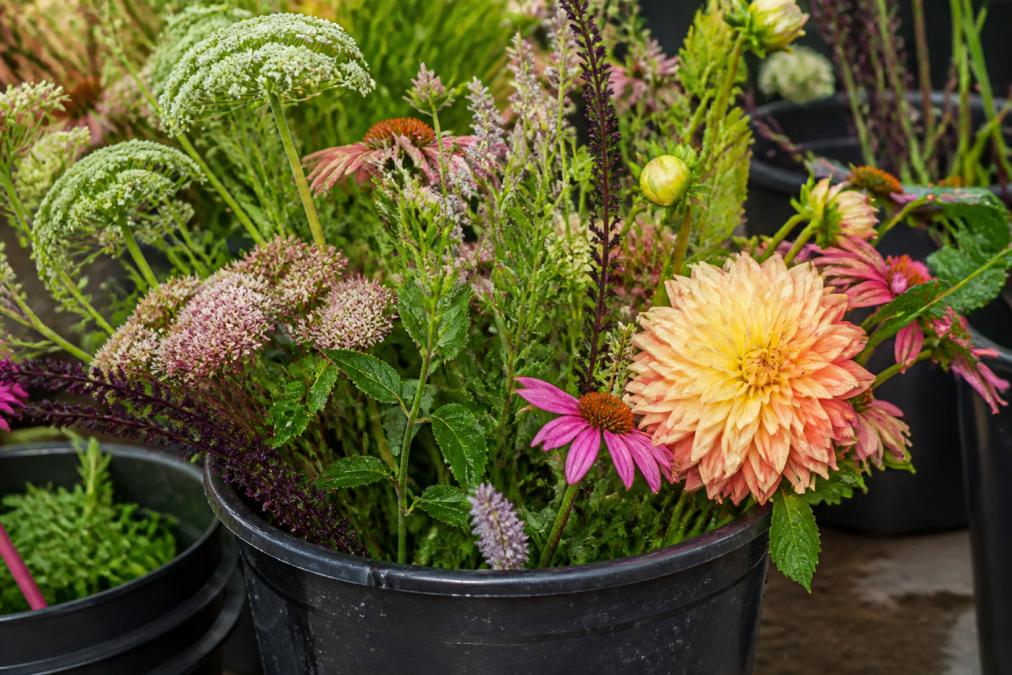
Seasonal availability shifts pricing dramatically. Spring wedding season means higher demand and higher per-stem costs. Understanding these cycles helps you forecast costs accurately and build pricing models that work year-round.
How to Extend Vase Life of Flowers and Protect Your Margin 💧
Extending vase life of flowers is where florists separate themselves from DIY competitors. A wholesale bucket that lasts 10 days in a customer's vase generates repeat business; one that wilts in 5 days destroys your reputation.
When you receive bulk buckets, re-cut stems at a 45-degree angle under running water and remove lower foliage. Add floral food to the vase water, it extends vase life by 3-5 days on average (peer-reviewed research). Temperature control is critical: flowers stored at 35-45°F last significantly longer than those at room temperature.
Calculating DIY Wedding Flower Bucket Cost and Profitability 📊
DIY wedding flower bucket cost requires precision. Wedding clients expect 3-5 days of perfect condition, often for events where flowers are the centerpiece.
Start with per-stem pricing. A wholesale bucket labeled "50 stems" might contain roses, greenery, and filler mixed together. Create a cost spreadsheet including wholesale bucket cost, conditioning supplies, labor for arrangement, delivery, and shrinkage allowance (10-15% of stems).
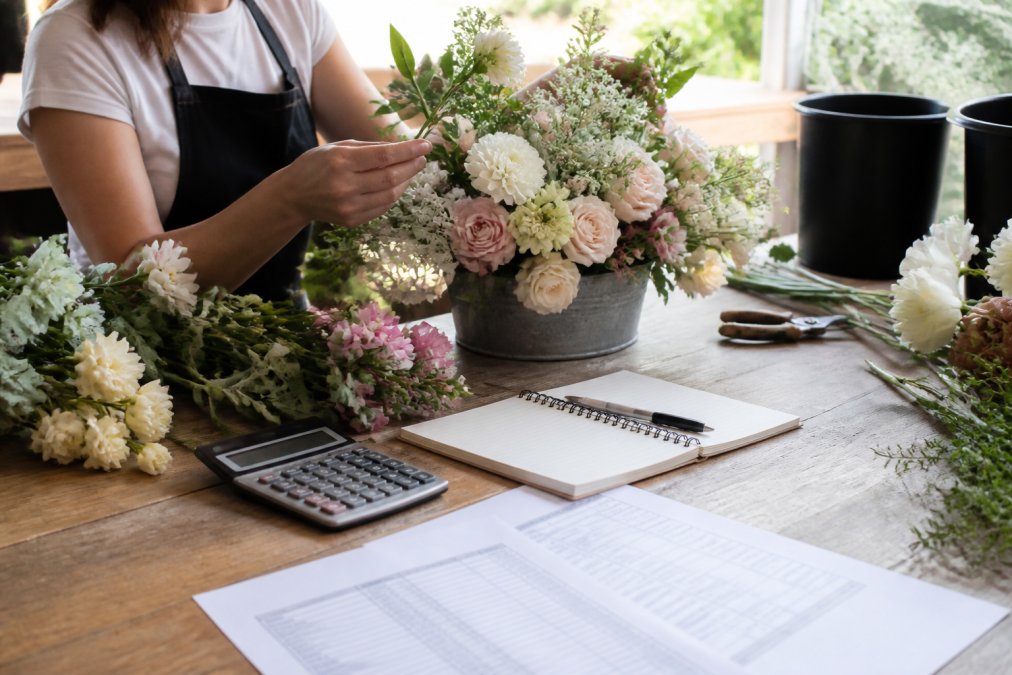
Many DIY florists underestimate labor costs. If conditioning and arranging takes 2 hours at $25/hour, that's $50 in labor. Your wholesale bucket might cost $40, but your true cost is $90. Most successful floral businesses target 50-60% margins on wedding work. If your COGS is $90, charge $180-225 to hit that target.
Wholesale Flower Bucket Stem Count and Tiered Pricing
Understanding wholesale flower bucket stem count and how it translates to usable flowers is essential for accurate pricing. A "50-stem" bucket is a marketing number, not a guarantee of usable blooms.
Tiered pricing structures reward volume commitment. Pricing depends on quantity, dates, and delivery.
| Order Volume | Cost Per Bucket | Per-Stem Cost (50 stems) | Savings vs. Single |
|---|---|---|---|
| 1 bucket | Varies | Varies | , |
| 3-5 buckets | Varies | Varies | Varies |
| 10+ buckets | Varies | Varies | Varies |
Farmer's choice buckets can offer savings compared to custom color palettes. Lead time also affects pricing: standard lead time costs less than rush orders.
Getting wholesale flower bucket pricing right transforms your business from barely profitable to genuinely sustainable. The real skill isn't negotiating lower prices, it's understanding your true costs and pricing your work to reflect the value you create. Charmed Valley Farm offers wholesale bucket programs designed for florists who understand that quality flowers, properly conditioned, are worth the investment.
Frequently Asked Questions
How do I calculate wholesale flower bucket pricing for my floral business?
Start with your cost of goods sold (the wholesale price you pay per stem or bunch), then multiply by the number of stems in the bucket. Add overhead costs like labor, packaging, and delivery. Apply your desired profit margin, most florists use 50-100% markup on wholesale flowers. For example, if a bucket costs $25 wholesale and contains 50 stems, that's $0.50 per stem. Add $10 for labor and overhead, then apply your markup to reach retail pricing. Adjust based on seasonal availability and custom color palette requests.
What's the difference between per-stem pricing and per-bunch pricing for wholesale flower buckets?
Per-stem pricing breaks down the cost for individual stems, making it easier to calculate arrangements of any size. Per-bunch pricing groups stems together (typically 10-25 stems), which is simpler for bulk orders but less flexible for custom arrangements. Wholesale flower bucket stem count often uses per-stem pricing because it shows true cost of goods sold. Per-bunch pricing works better for farmer's choice buckets where you're ordering standard quantities. Choose the method that matches your ordering patterns and helps you track profit margin accurately.
How does how to extend vase life of flowers affect my pricing strategy?
Flowers with longer vase life hold their value better and reduce waste and shrinkage allowance, directly improving your profit margin. Proper post-harvest handling, flower conditioning, and storage practices extend vase life by days or even weeks. When you source from local farms like Charmed Valley Farm that prioritize post-harvest care, you can confidently price higher because customers get better longevity. Build this quality advantage into your marketing and justify premium pricing by highlighting that your flowers last longer than typical wholesale options, making them better value for events and arrangements.
This article was written using GrandRanker