
Table of Contents
- Why Local Flowers Last Longer Than Imported
- How to Extend Vase Life of Flowers
- Cut Flower Care Tips for Beginners
- Wholesale Flower Bucket Programs and Local Sourcing
Last Updated: August 23, 2026
Why Local Flowers Last Longer Than Imported
When you arrange flowers from a local grower, they're often still hydrating from the morning's harvest. Imported flowers have traveled thousands of miles through temperature-controlled trucks, cargo planes, and distribution centers over 5-7 days, exposing blooms to ethylene gas, dehydration, and temperature fluctuations that shorten their lifespan (peer-reviewed research). The difference comes down to post-harvest handling and transit time. Cut flowers begin senescence the moment they're harvested. Ethylene gas, a natural ripening hormone, accelerates this process (usda.gov). Imported flowers spend days exposed to ethylene in cargo holds. Local flowers reach your vase within hours, minimizing exposure and preserving hydration and cellular integrity.
How to Extend Vase Life of Flowers
The real difference in vase life is made in the first hour after you receive flowers. Start by recutting stems at a 45-degree angle under running water to increase surface area for water absorption and remove sealed tissue from transport. Remove leaves that would sit below the waterline, as they decompose and introduce bacteria that clogs the stem's vascular system.
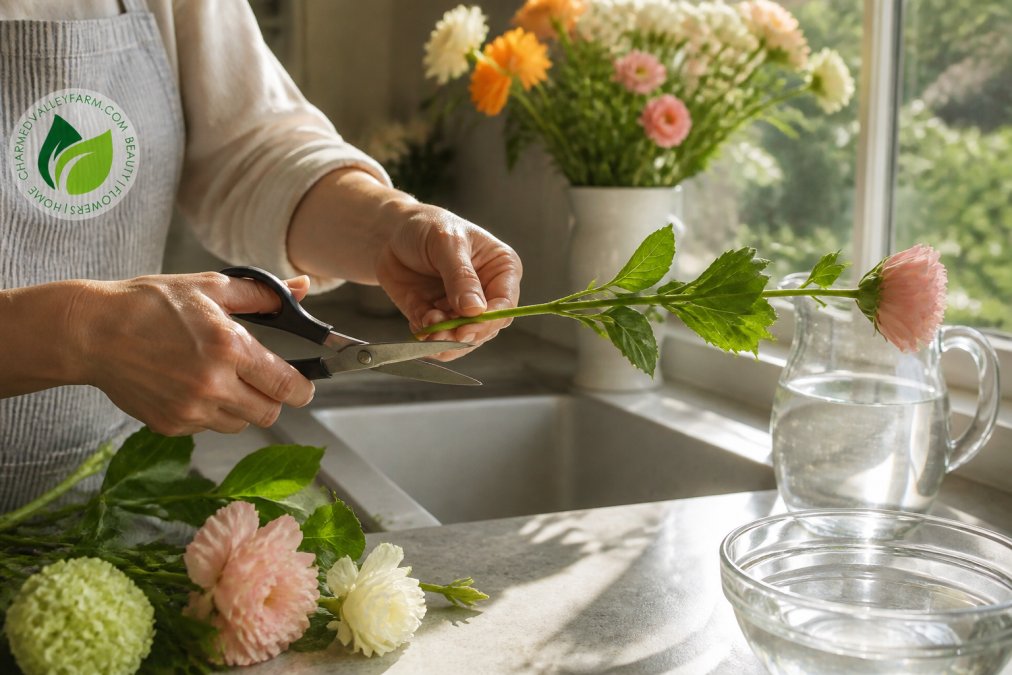
Change the water every 2-3 days and recut stems by half an inch each time. Keep flowers away from ripening fruit, direct sunlight, and heating vents. A cool room (65-72°F) with indirect light is ideal (peer-reviewed research). Most cut flowers last 7-14 days with proper care, but local flowers often push toward the upper end because they started fresher.
Cut Flower Care Tips for Beginners
Focus on hydration, cleanliness, and temperature control, these account for roughly 80% of vase life success. Use room-temperature water, not ice water. Add flower food if provided; it contains sugars for nutrition and biocides to prevent bacterial growth. Check water level daily and top off the vase rather than doing full changes, which disrupt the flower's adjustment. Strip all foliage from the lower 2 inches of stems to prevent microbial growth. Mist flowers lightly in the morning if your air is dry, but avoid spraying blooms in the evening. Handle flowers minimally once arranged, every touch bruises tissue and accelerates decline.
Wholesale Flower Bucket Programs and Local Sourcing
For florists and event hosts, wholesale bucket programs from local growers offer freshness and supply chain transparency that mass-market imports cannot match. Flowers arrive within 24 hours of harvest, already hydrated and conditioned. This means blooms open predictably, last longer in customer arrangements, and reflect better on your work. Because flowers are fresher, fewer blooms are discarded due to premature decline. You're also supporting the local economy and reducing the carbon footprint of commercial shipping.
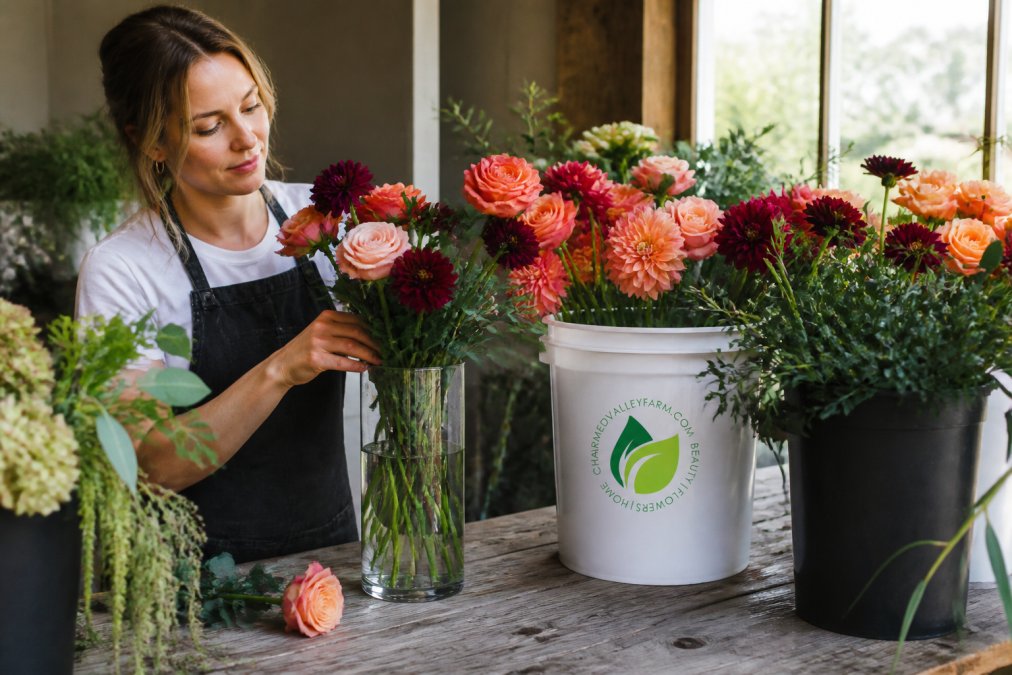
The relationship with a local grower also gives you input into what's grown. You can request specific colors, varieties, or seasonal availability that align with your design aesthetic, impossible with imported flowers sourced through wholesale distributors.
If vase life, freshness, and supply chain transparency matter to you, local flowers deliver measurably better results. Learn More Here to explore how Charmed Valley Farm's wholesale bucket programs and fresh-cut offerings can support your floral work with blooms that last.
Frequently Asked Questions
Q: How long do local flowers typically last compared to imported ones?
A: Local flowers generally last longer than imported varieties, depending on species and care. The difference stems from reduced transit time and minimal post-harvest stress. Imported flowers often spend 5-7 days in cold chain logistics before reaching retailers, triggering senescence earlier. Local blooms move from field-to-vase in 24 hours or less, preserving stem hydration and delaying ethylene exposure. Specific vase life depends on flower type, water quality, and temperature control at home.
Q: What is the best way to extend vase life of flowers at home?
A: Cut stems at a 45-degree angle with clean scissors to maximize water absorption. Remove leaves below the waterline to prevent bacterial growth. Change water every 2-3 days and add flower food or a simple mixture of sugar and bleach. Keep arrangements away from ripening fruit, which emits ethylene gas that accelerates senescence. Maintain cool room temperatures (65-72°F) and provide indirect light. These practices work equally well for local and imported flowers but yield longer results with locally sourced blooms due to their fresher starting point.
Q: How can I tell if flowers were grown locally versus imported at the store?
A: Ask your florist or retailer directly about origin, as this is the most reliable method. Locally grown flowers often arrive with soil still visible on stems or in buckets rather than cellophane packaging. They typically have fresher, greener foliage and firmer stems. Building a relationship with local florists or joining wholesale bucket programs ensures transparency about sourcing and bloom quality.
This article was written using GrandRanker