
Table of Contents
- What Facial Massage Tools Can and Cannot Do for Aging Skin
- Gua Sha for Wrinkles: Sculpting vs. Smoothing Claims
- Facial Roller Benefits for Circulation and Skin Texture
- Face Massage for Puffiness: Why Lymphatic Drainage Matters
- How to Use a Gua Sha Tool Safely and Effectively
- Manual vs. Powered Tools: Which Approach Suits Your Skin
- Building Your Anti-Aging Facial Massage Routine
- Safety, Hygiene, and When to Avoid Facial Massage
- Frequently Asked Questions
Last Updated: October 19, 2026
What Facial Massage Tools Can and Cannot Do for Aging Skin
Facial massage tools anti-aging have become a staple for women seeking natural, chemical-free solutions to visible signs of aging. At Charmed Valley Farm, we understand the appeal: smoother skin, reduced fine lines, and a more youthful-looking complexion without invasive procedures. But it's worth understanding what these devices can realistically deliver.
Facial massage tools for anti-aging work by promoting blood circulation, reducing facial tension, and supporting lymphatic drainage, which can improve skin texture and reduce puffiness. However, they cannot permanently erase wrinkles, reverse sun damage, or replace a solid skincare routine with quality botanical products.
The key distinction: facial massage tools are a support in your anti-aging toolkit, not a standalone solution. Paired with nourishing facial oils, consistent moisturizing, and sun protection, they become genuinely useful. Used alone, they're a pleasant ritual without measurable results.
Gua Sha for Wrinkles: Sculpting vs. Smoothing Claims
Gua sha stones have ancient roots, and modern beauty marketing has reimagined them as wrinkle-fighting devices. The reality is more nuanced: gua sha tools excel at sculpting facial contours and reducing puffiness, but they cannot smooth existing wrinkles through mechanical action alone.
What gua sha can accomplish (temporary, measurable): Improved circulation brings more oxygen and nutrients to facial skin, brightening the complexion for hours after use. Upward, sculpting motions along the jawline and cheekbones create visual definition that makes fine lines appear less pronounced in the short term.
What gua sha cannot do (structural, lasting): A stone cannot penetrate deep enough to rebuild collagen or elastin fibers. Wrinkles form from loss of these structural proteins over decades, and no massage technique reverses that without supporting ingredients like retinol, peptides, or antioxidants applied topically.
Technique specifics that matter more than the stone:
- Angle: Hold the stone at roughly a 45-degree angle, using the flat edge rather than the sharp edge.
- Pressure: You should feel the tool moving across the skin, not digging in. Redness lasting more than a few minutes or any bruising means too much pressure.
- Direction: Work from the center of the face outward and upward: cheekbones toward the temples, jawline toward the ears, under the chin upward toward the jawline. Avoid downward strokes, which work against lymphatic drainage.
- Duration and frequency: Two to three minutes per session is enough. Consistency beats duration, so a quick daily routine outperforms occasional longer sessions.
- Slip: Always use a facial oil or serum to create glide. A dry stone tugs delicate skin and defeats the purpose.
The most honest approach: use gua sha as a facial sculpting and de-puffing tool, not a wrinkle eraser. Pair it with products designed to address fine lines, because quality facial serums with active botanicals make the real difference. Our Goa Sha Stone ($9.00) works best with a nourishing facial oil to promote glide.

Facial Roller Benefits for Circulation and Skin Texture
Facial rollers, whether jade, rose quartz, or stainless steel, work primarily through mechanical stimulation and cooling.
The circulation benefit is real: increased blood flow delivers oxygen and nutrients to skin cells, supporting a healthier, more glowing complexion. Regular use may also help skincare products absorb more effectively, so active ingredients work harder.
For skin texture, consistent rolling can smooth rough patches and improve the overall feel of your skin. The gentle pressure also encourages lymphatic drainage, reducing water retention and puffiness, particularly around the eyes and jawline in the morning.
Facial rollers work best as part of a broader routine, not as a substitute for exfoliation, hydration, or targeted treatments. Think of them as an enhancement that amplifies your existing skincare products, especially when paired with botanical oils and serums designed for mature skin.
Face Massage for Puffiness: Why Lymphatic Drainage Matters
Puffiness in the face often stems from fluid retention and sluggish lymphatic circulation. Facial massage tools, particularly gua sha stones and jade rollers, support lymphatic drainage by encouraging fluid movement toward the lymph nodes in the neck and jawline.
The lymphatic system has no pump like the circulatory system; it relies on muscle movement and external pressure. Upward, sculpting massage manually stimulates this drainage, and consistent practice reduces morning puffiness and improves facial definition.
For women experiencing facial tension or jaw clenching, common as we age, massage tools provide relief. Tension restricts circulation and lymphatic flow, compounding puffiness; a few minutes of gentle gua sha along the jawline and temples releases it.
The most effective approach combines facial massage with hydration and quality skincare. Dehydrated skin appears more puffy and tired, so pairing massage with a nourishing facial oil or hydrating serum addresses puffiness from multiple angles.
How to Use a Gua Sha Tool Safely and Effectively
Proper technique matters more than tool choice. A gua sha stone used incorrectly can cause irritation or bruising; used correctly, it becomes a gentle, effective part of your routine.
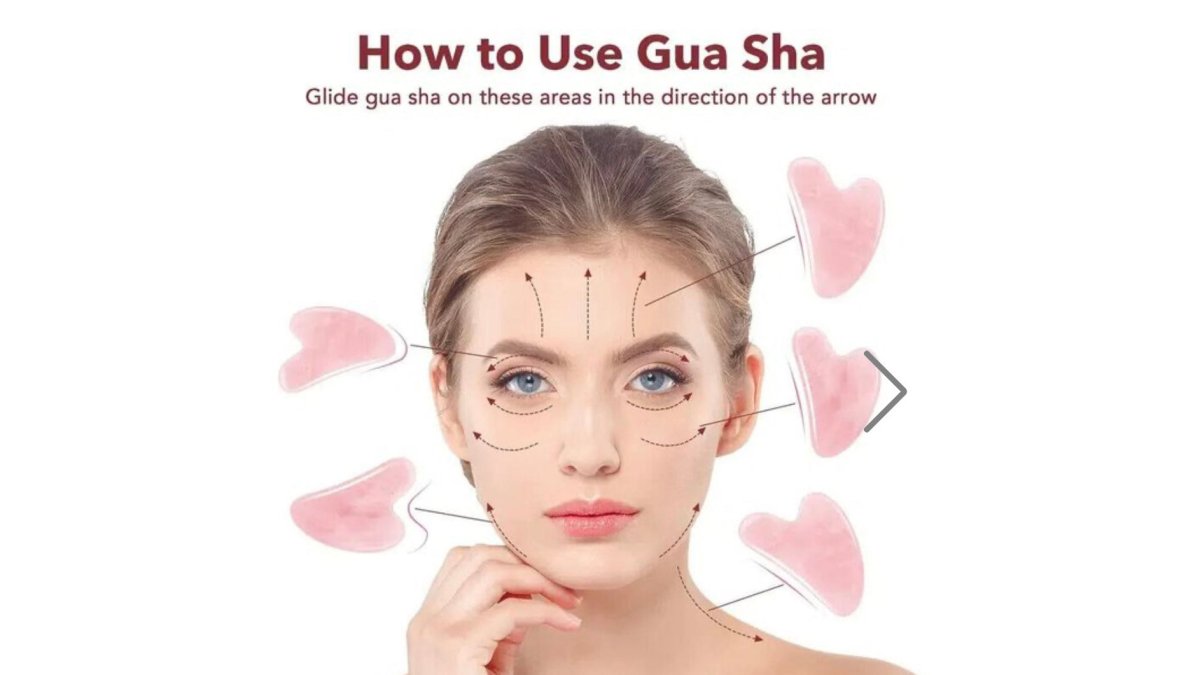
Step 1: Prepare your skin. Start with clean skin or apply a facial oil to create smooth glide.
Step 2: Hold the stone at a 45-degree angle. Position the flat edge against your skin, not the sharp edge.
Step 4: Apply gentle, consistent pressure. You should feel the tool moving across your skin, not digging in. Redness or bruising means too much pressure; the goal is stimulation, not trauma.
Step 5: Spend 2-3 minutes total. Consistency beats duration, so a quick daily routine outperforms occasional longer sessions.
Manual vs. Powered Tools: Which Approach Suits Your Skin
The choice between manual tools (gua sha stones, jade rollers) and powered facial massage devices depends on your skin sensitivity, lifestyle, and goals. The useful comparison is by mechanism, upkeep, and what the evidence actually supports.
Manual tools offer complete control over pressure, speed, and duration. They're ideal for sensitive or mature skin prone to irritation, or anyone new to facial massage, and they're portable, affordable, and need no charging. The trade-off: results depend entirely on your technique and consistency.
Powered tools are not one category. They differ by mechanism, and each mechanism has a different evidence base and upkeep profile:
- Vibrating massagers: Provide consistent, low-effort stimulation and can reach areas difficult to access manually. They require charging or batteries, and the vibration can be too intense for very sensitive or reactive skin. Evidence for anti-aging effects is limited; most benefits are temporary circulation and relaxation.
- Warming devices: Heat can help products absorb and can feel soothing on tense jaw muscles. They need careful temperature control and cleaning, and are not appropriate for active irritation or rosacea flares.
- Cooling tools (including refrigerated rollers): Reduce puffiness and soothe inflammation temporarily. They require refrigeration or a cooling element, and must be completely dry before storage to prevent mold or bacteria growth.
- Light-based devices: These are a different category from massage tools and typically require consistent, long-term use and a higher budget. They are not a substitute for a manual massage routine and should be evaluated on their own evidence, not lumped in with rollers and stones.
Upkeep and long-term value: Manual stones and rollers need only rinsing, drying, and clean storage. Powered devices add charging, battery replacement, and sometimes replacement heads, which affects cost per use over time.
For most women over 40 with mature skin, a quality manual tool paired with botanical facial oils offers the best balance of effectiveness, safety, and accessibility.
| Tool Type | Best For | Pressure Control | Portability | Upkeep | Cost |
|---|---|---|---|---|---|
| Manual gua sha | Sensitive skin, beginners, mindful practice | Full control | Excellent | Rinse and dry | Low ($9-30) |
| Jade or rose quartz roller | General puffiness, texture | Moderate control | Excellent | Rinse, dry, refrigerate if desired | Low ($15-40) |
| Vibrating massager | Time-pressed routines, light stimulation | Limited control | Good | Charging, cleaning | High ($50-200+) |
| Warming or cooling device | Product absorption, soothing | Limited control | Fair | Temperature control, cleaning | Mid to high |
| Light-based device | Targeted concerns, long-term use | Not applicable | Fair | Charging, replacement parts | High |
Building Your Anti-Aging Facial Massage Routine
A sustainable routine integrating facial massage tools anti-aging into your existing skincare delivers results without adding complexity. The goal is consistency, not perfection.
Morning routine (2-3 minutes): After cleansing and applying your moisturizer or facial oil, use your gua sha stone with upward strokes to reduce puffiness and sculpt your face before makeup.
Evening routine (3-5 minutes): After cleansing and applying your nighttime skincare, spend a few minutes with your gua sha stone or facial roller, focusing on tension areas: the jawline, temples, and between the brows.
Frequency: Daily use is safe and encouraged. Facial massage tools are gentle when used correctly and become more effective with consistent practice; the cumulative effect becomes noticeable within 2-4 weeks.
What to pair with facial massage: Quality matters here. A basic moisturizer won't deliver the same results as a nourishing facial oil or serum designed for mature skin.
Safety, Hygiene, and When to Avoid Facial Massage
Facial massage tools are generally safe, but certain situations call for caution or avoidance.
Avoid facial massage if you have: active acne with open lesions, severe rosacea or inflammatory skin conditions, recent chemical peels or laser treatments, or skin infections.
Hygiene essentials: Clean your tool before and after each use. Stone tools can be rinsed with warm water and dried thoroughly, then stored in a clean, dry place.
Skin sensitivity: If you have very reactive or sensitive skin, start slowly: 1-2 minutes per session, observing how your skin responds over a week.
Contraindications: Avoid facial massage if you're taking blood thinners or have bleeding disorders, as bruising risk increases.
Facial massage tools work best as part of a thoughtful, consistent skincare practice. They're not magic, but they're genuinely useful when paired with quality products and proper technique.
Start with one tool, use it consistently, and give yourself grace as your skin adapts. When you combine facial massage with dermatologist-backed skincare practices, you're supporting your skin's health from the inside out.
Frequently Asked Questions
Do facial massage tools actually help with signs of aging?
Facial massage tools can improve circulation and lymphatic drainage, which may enhance skin texture and temporarily reduce puffiness. However, they cannot erase wrinkles or reverse deep lines. The evidence supports their use for maintaining skin tone, improving product absorption, and reducing facial tension, but realistic expectations matter. They work best as part of a consistent skincare routine, not as a replacement for sun protection or moisturizing.
What is the best facial massage tool for wrinkles?
Gua sha tools and jade rollers are popular for facial contouring and may help with fine lines through improved circulation. The 'best' tool depends on your skin type and concern: gua sha offers more sculpting pressure for definition, while rollers provide gentler, cooling relief. Neither removes deep wrinkles alone. Pairing any facial massage tool with a quality facial oil, like our Flower Oil Face Serum, and consistent moisturizing can enhance results.
How often should you use a facial massage tool?
Most people benefit from using facial massage tools 3-5 times per week for 5-10 minutes per session. Daily use is safe for gentle rollers, but gua sha is best reserved for 3-4 times weekly to avoid over-stimulating sensitive skin. Listen to your skin: if you notice redness or irritation, reduce frequency. Consistency matters more than intensity, regular, gentle use yields better results than occasional aggressive sessions.
Can facial massage tools reduce puffiness?
Yes. Facial massage tools stimulate lymphatic drainage, which helps move fluid away from the face and reduce morning puffiness. Gua sha and facial rollers are both effective for this purpose, especially when used with upward strokes along the neck and jawline. For best results, use them on clean skin in the morning, apply gentle pressure, and always move toward the lymph nodes. Results are typically temporary but noticeable within minutes of use.